
 Save to Pinterest
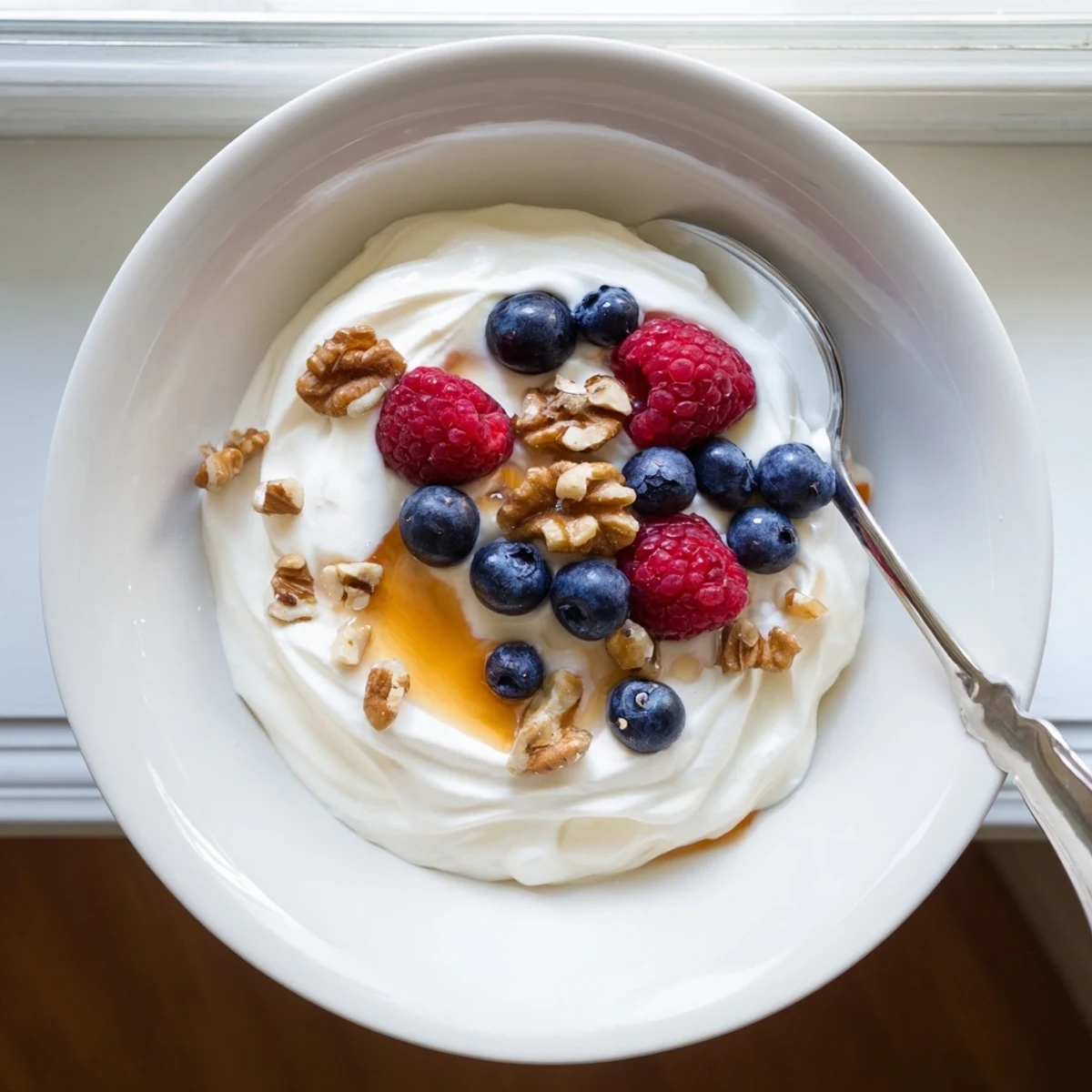
 Transform simple milk into thick, luxurious Greek yogurt through the ancient art of culturing and straining. This foolproof method requires only whole milk and a yogurt starter, resulting in creamy, protein-rich yogurt that surpasses store-bought versions in both taste and texture.
The process involves heating milk to the perfect temperature, introducing live cultures, and allowing time for fermentation to work its magic. After culturing, straining through cheesecloth creates that signature dense consistency Greek yogurt is known for.
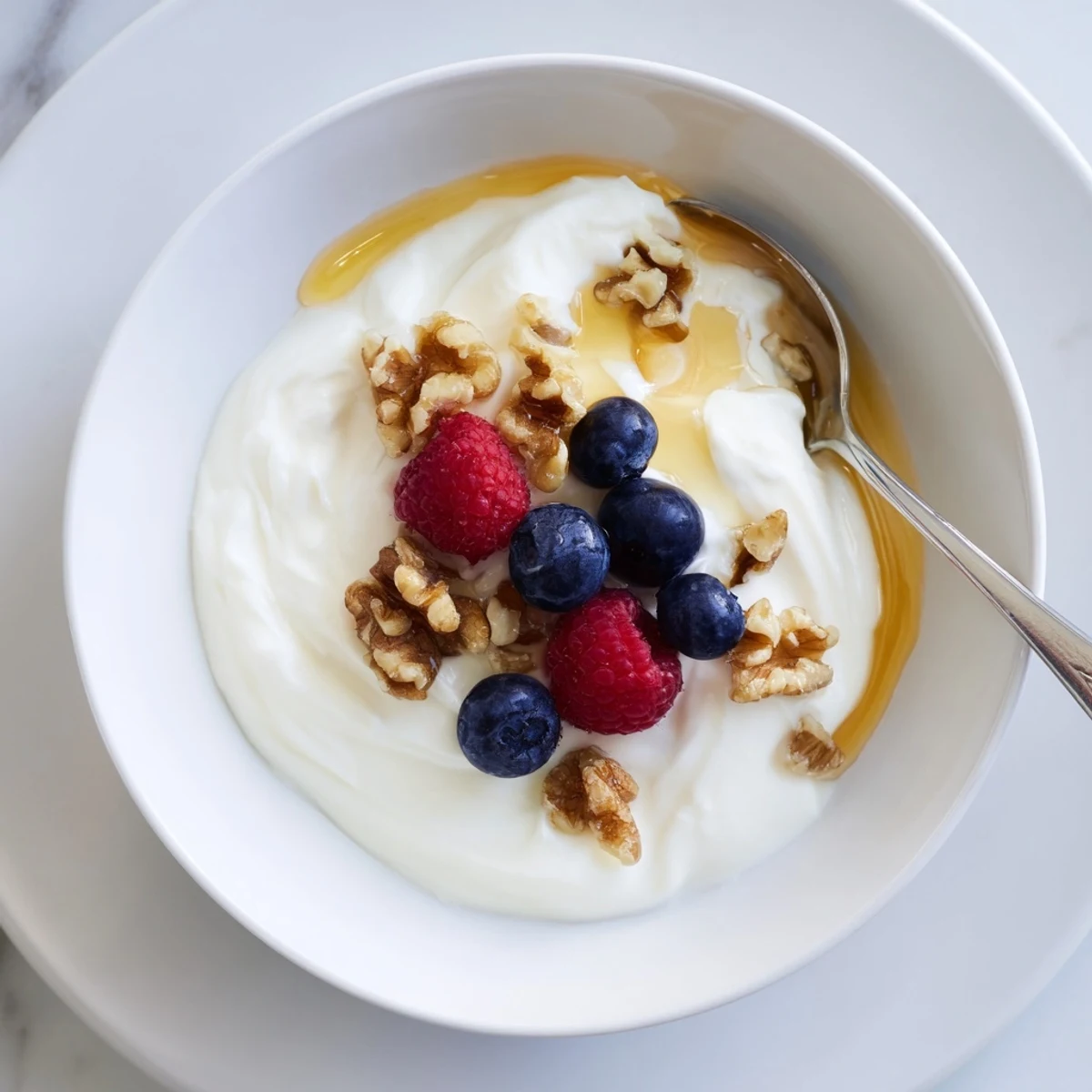
The resulting yogurt offers endless possibilities—enjoy it plain with a drizzle of honey, layer it with granola and fresh berries, or use it as a versatile ingredient in both savory and sweet dishes. The strained whey adds nutritional value to smoothies and baked goods.
My kitchen transformation started on a Sunday afternoon with nothing more ambitious than a carton of milk and a tablespoon of yogurt from the back of my fridge. Id been reading about how simple homemade yogurt could be, but somehow the process felt intimidating until I actually stood there with a thermometer in hand.
The first time I pulled that batch from the fridge, thickened and perfect after its cheesecloth nap, I texted everyone in my family. Theres something magical about the transformation that happens while you sleep, waking up to something that feels like a small victory.
Ingredients
- 1 liter whole milk: The fat content matters here, low fat milk produces watery yogurt that never quite achieves that luxurious Greek texture we all love
- 2 tablespoons plain yogurt with live cultures: This starter must have active cultures, check the label carefully because without them your milk will just remain warm milk forever
Instructions
- Heat the milk properly:
- Warm your milk over medium heat until it reaches exactly 82°C (180°F), stirring gently with a heatproof spatula to prevent the bottom from scorching, which creates off flavors you cannot fix later
- Cool to the perfect temperature:
- Let the milk cool down to 43°C (110°F), either naturally on the counter or in an ice bath if you are impatient like I usually am
- Prepare your starter:
- Whisk those two tablespoons of cooled milk with your yogurt starter in a small bowl until completely smooth and lump free
- Combine everything:
- Pour the starter mixture back into your main pot of milk and stir gently but thoroughly to distribute those beneficial bacteria evenly throughout
- Create the culturing environment:
- Transfer the milk to a clean glass container, cover it, and wrap it in a thick towel or place it in a turned off oven with just the light on
- Wait patiently:
- Let your yogurt culture undisturbed for 6 to 8 hours in a warm spot, resisting the urge to check it constantly though peaking once is probably fine
- Strain for thickness:
- Line a mesh strainer with cheesecloth, set it over a bowl, pour in your set yogurt, and refrigerate for 1 to 2 hours until it reaches that velvety Greek consistency
- Store your creation:
- Transfer the thickened yogurt to a clean container and keep it refrigerated until you are ready to eat it, though it rarely lasts more than a few days in my house
 Save to Pinterest
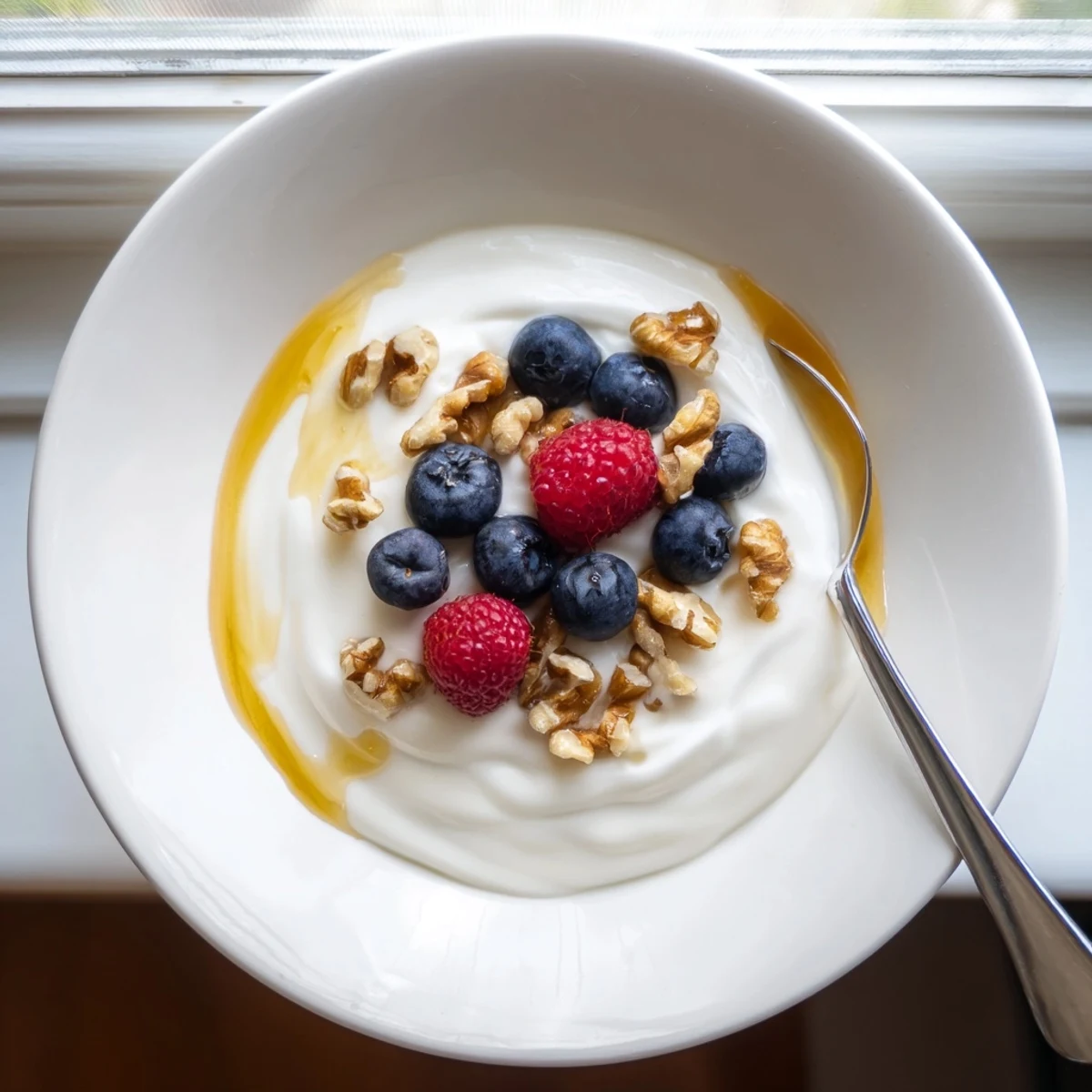
 My morning routine shifted after mastering this recipe. There is something profound about starting your day with food you created yourself, topped with whatever seasonal fruit looked best at the market or just a drizzle of honey if you are keeping it simple.
Choosing Your Milk
Goat or sheep milk creates this wonderfully tangy yogurt that feels fancy enough to serve to guests. I have started rotating between them depending on what my local cheese shop has in stock, and each variation brings its own personality to the breakfast table.
Saving The Whey
That liquid gold draining into the bowl beneath your strainer deserves better than the compost bin. I whisk it into smoothies, use it to soak oats overnight, or even substitute it for water in bread recipes when I am feeling particularly ambitious about zero waste cooking.
Serving Suggestions
The possibilities for serving feel endless once you have that base ready in your fridge. I keep a mental rotation of toppings to keep things interesting throughout the week.
- Toast walnuts in a dry pan until fragrant and sprinkle them over with a drizzle of date syrup
- Mash fresh berries with a fork and fold them through for a natural swirl of color and sweetness
- Sprinkle with Everything Bagel seasoning and cucumber slices for a savory breakfast that feels completely different
 Save to Pinterest
 There is quiet joy in returning to basics, in mastering something that humans have been making for thousands of years. Your kitchen will feel warmer, somehow, for having made this yourself.
Questions & Answers
- → What makes Greek yogurt different from regular yogurt?
-
Greek yogurt undergoes straining to remove whey, resulting in a thicker, creamier texture with nearly double the protein content compared to regular yogurt. This concentrated version has a tangier flavor and richer consistency perfect for both eating plain and cooking.
- → Can I use non-dairy milk to make Greek yogurt?
-
Yes, you can use goat or sheep milk as alternatives to cow's milk for different flavor profiles. For a completely dairy-free version, use coconut milk with a dairy-free yogurt starter, though the texture and culturing time may differ from traditional methods.
- → Why is the milk heated to such a high temperature initially?
-
Heating milk to 82°C (180°F) denatures the whey proteins, which helps them bond during culturing and creates the characteristic thick, creamy texture. This step also kills any unwanted bacteria that could interfere with the fermentation process.
- → How long does homemade Greek yogurt stay fresh?
-
Properly stored in an airtight container, homemade Greek yogurt stays fresh in the refrigerator for up to two weeks. Always use clean utensils when serving to prevent introducing bacteria that could shorten its shelf life.
- → What can I do with the whey liquid drained during straining?
-
The strained whey is packed with protein and beneficial bacteria. Use it in smoothies for extra nutrition, substitute for water or milk in baking recipes, add to soups for richness, or even use it to ferment vegetables like sauerkraut.
- → Do I need a yogurt maker to make Greek yogurt at home?
-
No special equipment is required. While a yogurt maker provides consistent temperature, you can successfully culture yogurt by wrapping the container in towels and placing it in a warm spot like an oven with just the pilot light on, or even near a radiator.