
 Save to Pinterest
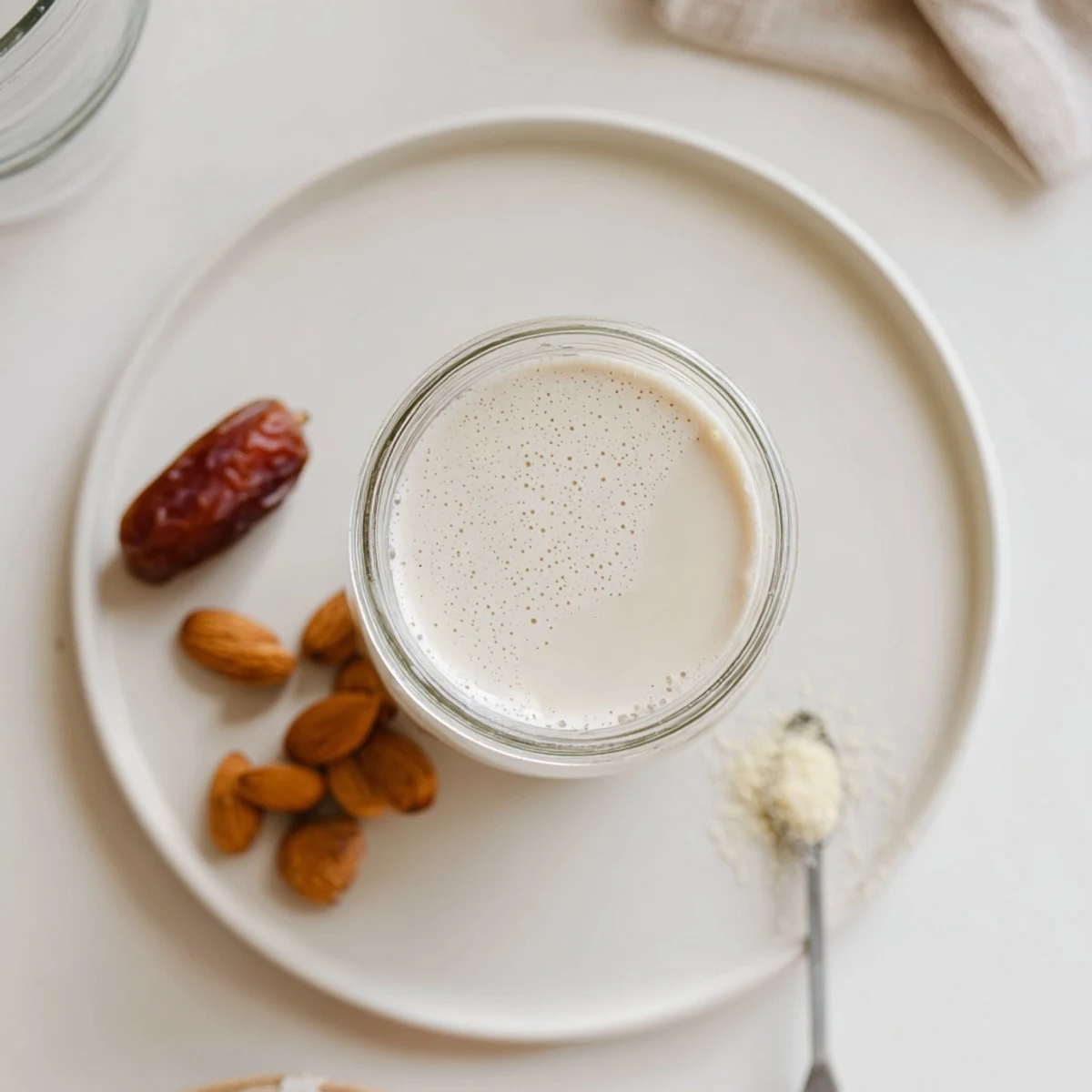
 Soak raw almonds overnight, drain, then blend with filtered water and optional dates or vanilla for sweetness. Strain the mixture through a nut milk bag, cheesecloth, or fine mesh sieve until smooth and creamy. Adjust the water-to-almond ratio to control thickness. Store in a sealed jar and refrigerate; use within 3–4 days. Save the leftover almond pulp for baking, smoothies, or to dry and repurpose.
My blender was gathering dust until a Tuesday night when the grocery store had run out of every carton of oat milk, almond milk, and even that overpriced macadamia stuff I secretly love. Standing in the kitchen at nine in the evening with a bag of raw almonds and a stubborn attitude, I discovered that homemade almond milk is embarrassingly simple. The whole process felt more like a science experiment than cooking. By the time that creamy white liquid poured through the cheesecloth, I was converted.
My neighbor Sarah walked in while I was squeezing the nut milk bag and stood there watching with wide eyes like I was performing surgery. She tasted a splash from a small glass, went completely silent, and then whispered that she had been drinking the boxed version for eight years without knowing it could taste like this. We spent the next hour flavoring batches with vanilla, cinnamon, and one deeply unfortunate experiment with lavender.
Ingredients
- Raw almonds (1 cup, 150 g): Use truly raw almonds, not roasted or salted, because the freshness of the nut is the entire personality of this milk.
- Filtered water (4 cups, 1 liter, plus more for soaking): Filtered water matters here since tap water minerals compete with the delicate almond flavor you are trying to extract.
- Medjool dates, pitted (1 to 2): One date gives a gentle sweetness that two dates turns into dessert territory, which is not a bad thing.
- Vanilla extract (1 tsp): Real vanilla extract transforms this from a blank canvas into something you want to drink straight from the bottle.
- Sea salt (a pinch): Salt does not make it salty, it wakes up every other flavor and rounds out the sweetness beautifully.
Instructions
- Soak the almonds:
- Pour the almonds into a bowl and cover them with plenty of water, then tuck them into the fridge for at least eight hours or overnight until they look plump and slightly bloated.
- Drain and rinse:
- Dump the soaking water and rinse the almonds under cold running water until it runs completely clear, rubbing them between your fingers to remove any lingering residue.
- Blend everything:
- Toss the drained almonds into your blender with four cups of fresh filtered water, the dates, vanilla extract, and a pinch of sea salt, then blast on high for one to two minutes until the mixture looks silky white and uniformly creamy.
- Strain the milk:
- Pour the blended mixture through a nut milk bag or doubled cheesecloth into a large bowl, then gather the corners and squeeze firmly with both hands until the pulp inside feels nearly dry.
- Store and enjoy:
- Transfer your fresh almond milk into a clean glass bottle or jar, pop it in the refrigerator, and give it a hearty shake before every pour since separation is completely natural.
 Save to Pinterest
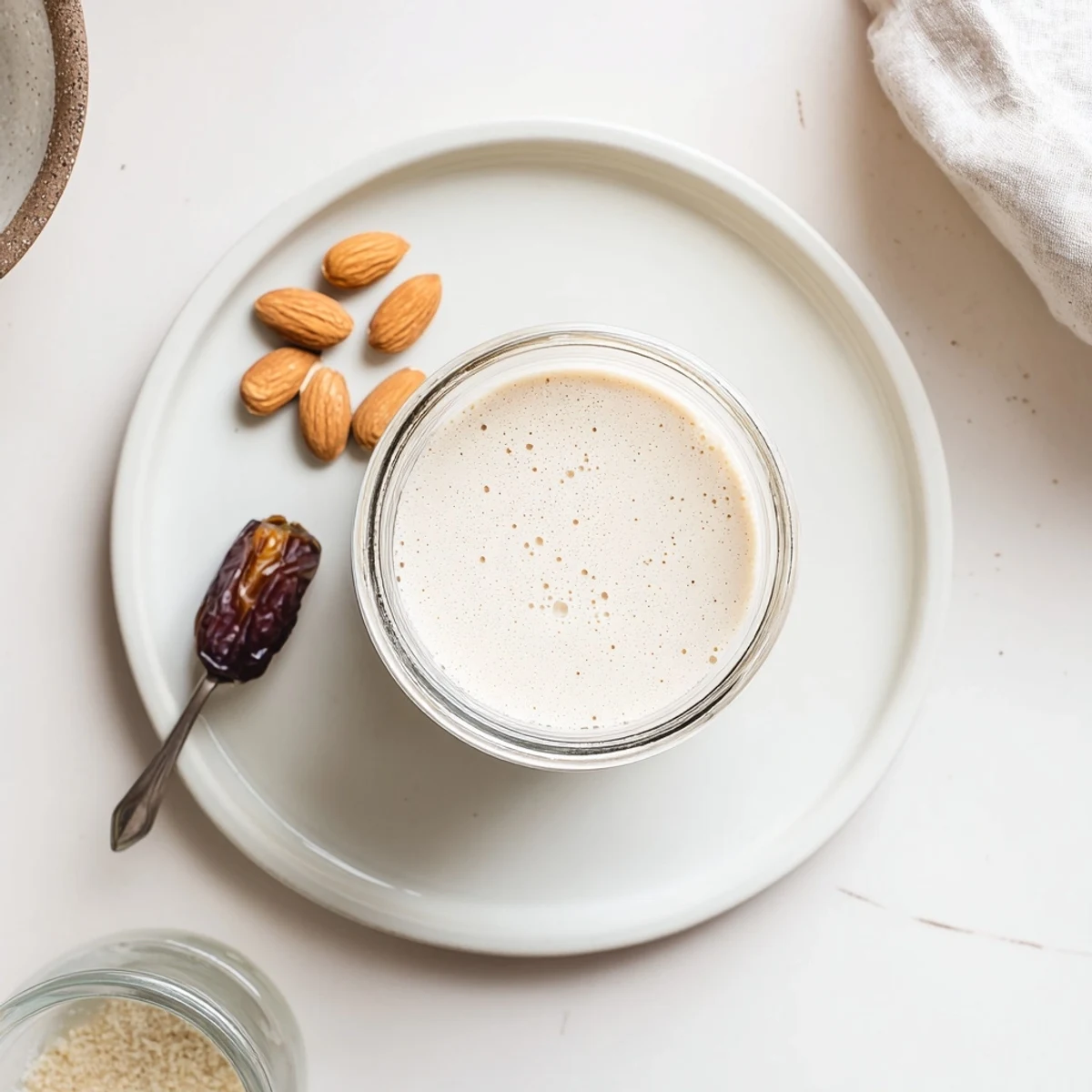
 The morning I poured my first batch over granola and watched it pool in the edges of the bowl like actual cream, something clicked. Food does not need forty ingredients and a technique certificate to be dramatically better than what you buy. Sometimes it just needs patience and a decent blender.
What to Do With Leftover Pulp
That damp almond pulp sitting in your cheesecloth is not waste, it is a bonus ingredient waiting to happen. Spread it on a baking sheet and dry it in a low oven around two hundred degrees Fahrenheit for two to three hours until completely crisp, then pulse it in a blender to make almond flour. It works beautifully in pancakes, muffins, or anything that could use a little nutty richness and texture.
Flavor Variations Worth Trying
After you master the base recipe, the branching paths are endless and honestly addictive. A tablespoon of cocoa powder and a drizzle of maple syrup turns this into chocolate milk that would make any kid forget the store version exists. A dash of cinnamon and a cardamom pod in the blender gives you something that tastes like it belongs in a fancy cafe.
Storage and Freshness
Homemade almond milk lasts three to four days in the refrigerator, which sounds short until you realize how quickly you will drink it. Keep it in a tightly sealed glass container to avoid absorbing fridge odors, and always give it a vigorous shake before pouring because the solids will settle at the bottom overnight.
- Freeze extra milk in ice cube trays for smoothies if you somehow have leftovers.
- A slightly sour smell means it is time to let it go, trust your nose over the calendar.
- Double the batch if you have a household that goes through milk quickly, the effort is nearly identical.
 Save to Pinterest
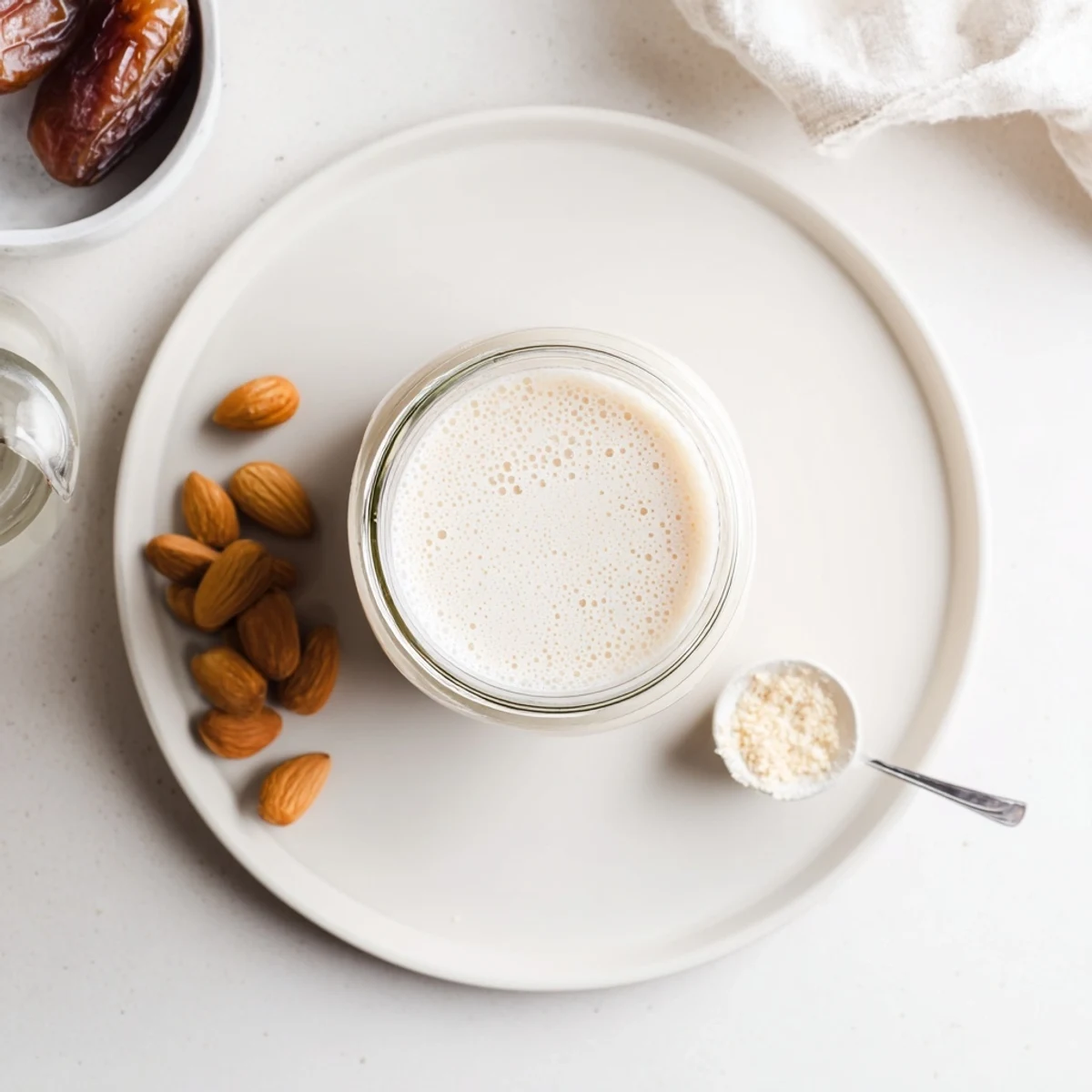
 Once you make almond milk at home, you will never look at a carton the same way again. It is one of those small kitchen rituals that turns a mundane grocery staple into something genuinely satisfying.
Questions & Answers
- → How long should almonds soak?
-
Soak raw almonds at least 8 hours or overnight to soften them; this yields a smoother, creamier milk and helps release nutrients. For quick use, soak in hot water for 1–2 hours, though texture may be slightly less silky.
- → How can I make the milk creamier?
-
Use less water relative to almonds (reduce to 3 cups water per cup almonds for creamier milk), blend longer at high speed, and squeeze the nut milk bag thoroughly to extract more solids. Using blanched almonds also gives a silkier texture.
- → What sweeteners or flavors work best?
-
Pitted dates add natural sweetness and body; a touch of vanilla extract brightens flavor. For other options, try maple syrup, honey (if not strictly vegan), or a pinch of cocoa powder for chocolate notes.
- → How should I store homemade almond milk?
-
Keep almond milk refrigerated in a sealed bottle or jar; shake well before each use as separation is natural. Consume within 3–4 days for best freshness and flavor.
- → What can I do with the leftover almond pulp?
-
Save the pulp for baking (muffins, crackers), add to smoothies for fiber, or dehydrate and grind into almond meal. It also works as a filler in granola or energy bites.
- → Can I use roasted or salted almonds?
-
Avoid roasted or salted almonds; raw, unsalted almonds produce the cleanest, most neutral milk. Roasted nuts alter flavor and salted nuts make the milk noticeably salty.