
 Save to Pinterest
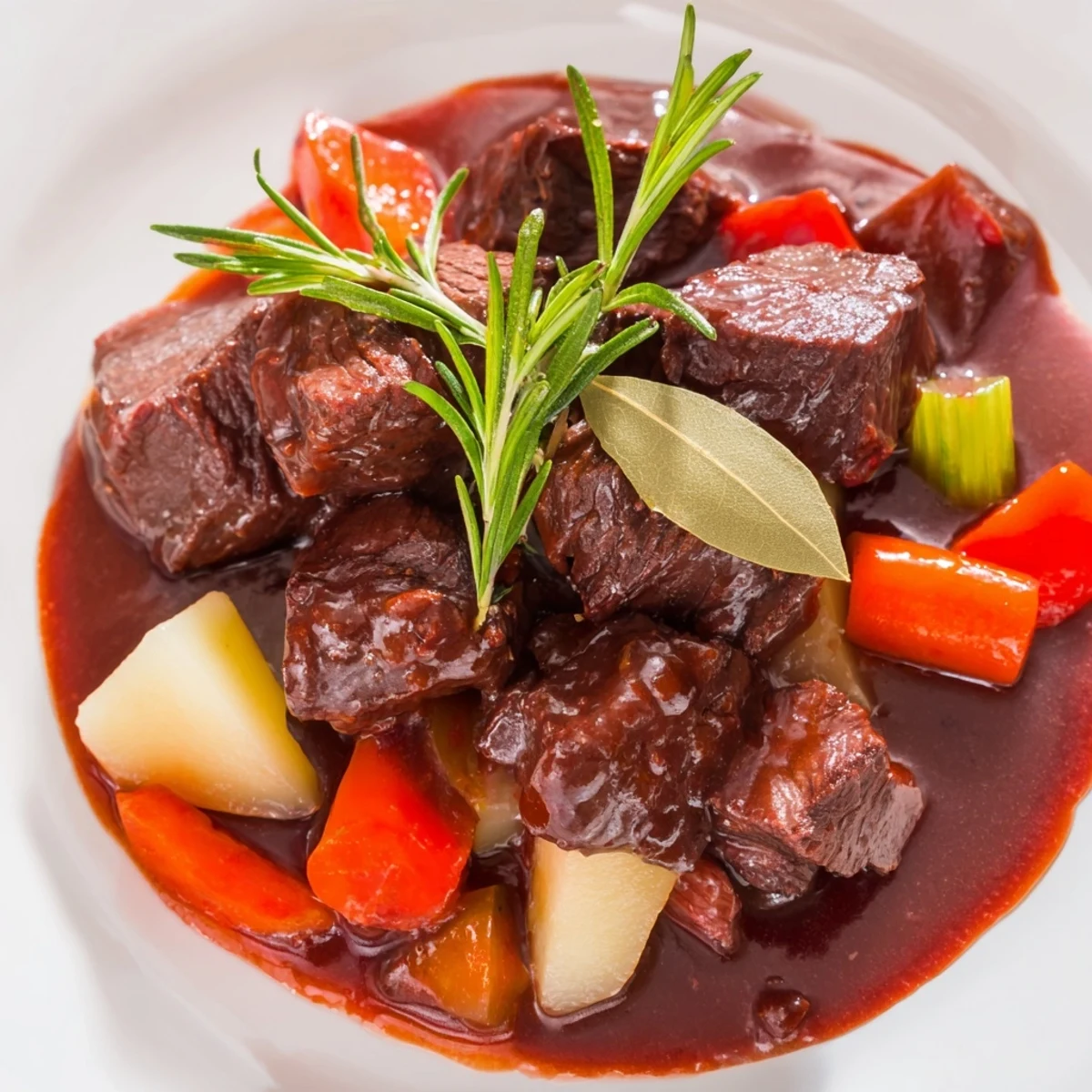
 This traditional Italian spezzatino transforms beef chuck into meltingly tender pieces through slow braising with onions, carrots, celery, and potatoes. The red wine and beef stock create a deeply savory sauce, while bay leaves, rosemary, and thyme add aromatic complexity. Ready in about two and a half hours, this hearty dish improves with time and can be made ahead for even deeper flavors.
Rain hammered the kitchen window the afternoon I decided to tackle spezzatino for the first time, armed with a crumpled recipe from my neighbor Lucia and a bottle of wine I was fully prepared to drink half of during cooking. The smell that filled my apartment two hours later was so absurdly good that my roommate walked in, sniffed the air, and announced she was never moving out. That pot of stew has since become my cold weather anchor, the dish I make when the world feels a little too sharp and I need something soft and forgiving on the stove.
I once made this for a friend who had just gone through a brutal breakup and she sat at my table eating three bowls in complete silence, tears streaming down her face, and when she finally looked up she said it was the best thing she had ever tasted. I am not sure the stew deserved all that credit, but I will take it.
Ingredients
- Beef chuck (800 g, cut into 3 cm cubes): Chuck is the undisputed champion here because its marbling melts during the long braise and keeps every bite succulent rather than stringy.
- Onions (2 medium, finely chopped): They dissolve into the sauce and create a sweet base that you cannot really achieve any other way.
- Carrots (2, sliced): They add a gentle sweetness that balances the wine and tomato paste beautifully.
- Celery (2 stalks, sliced): An unsung hero that gives the broth an earthy backbone you will miss if you skip it.
- Potatoes (2 medium, peeled and cubed): They break down just enough to thicken the stew naturally while holding their shape in satisfying chunks.
- Garlic (2 cloves, minced): Added later in the process so its flavor stays bright and punchy rather than bitter.
- Dry red wine (250 ml): Use something you would gladly drink because its flavor concentrates and becomes a core part of the sauce.
- Beef stock (500 ml): A good quality stock makes a enormous difference since the liquid reduces and every flaw gets amplified.
- Tomato paste (2 tbsp): This small amount adds remarkable depth and a hint of richness that ties everything together.
- Olive oil (2 tbsp): Use a decent one for browning because the beef picks up that flavor right from the start.
- Bay leaves (2): Drop them in whole and fish them out before serving, they do their quiet work from the background.
- Fresh rosemary (1 sprig): Fresh matters here because dried rosemary can lean toward tasting like pine needles rather than warm and herbal.
- Dried thyme (1 tsp): A reliable supporting player that bridges the meat and vegetable flavors seamlessly.
- Salt and freshly ground black pepper (to taste): Season in layers throughout the cooking process rather than all at once at the end.
Instructions
- Get that beef beautifully browned:
- Heat the olive oil in a large heavy bottomed pot over medium high heat and brown the beef in batches so each cube gets a deep golden crust, then set them aside on a plate.
- Build the vegetable foundation:
- Reduce the heat to medium and toss the onions, carrots, and celery into the same pot, scraping up every last brown bit from the bottom because that is pure concentrated flavor waiting for you.
- Wake up the garlic and tomato paste:
- Stir in the garlic and tomato paste and cook for about two minutes until the mixture smells intensely savory and the paste darkens just slightly.
- Let the wine do its magic:
- Pour in the red wine and scrape the pot thoroughly, then let it reduce by half over about five minutes so the harsh alcohol cooks off and what remains is rich and complex.
- Bring everything home:
- Return the beef to the pot along with the potatoes, beef stock, bay leaves, rosemary, thyme, and a generous pinch of salt and pepper, then stir to combine.
- Let time do the work:
- Bring the stew to a gentle simmer, cover it, and cook on low heat for two hours, stirring occasionally and trusting the process as the beef becomes fork tender and the sauce thickens into something gorgeous.
- Finish and taste:
- Remove and discard the bay leaves and rosemary sprig, then taste the sauce and adjust the salt and pepper because the flavors concentrate as it cooks and you want it perfectly seasoned.
 Save to Pinterest
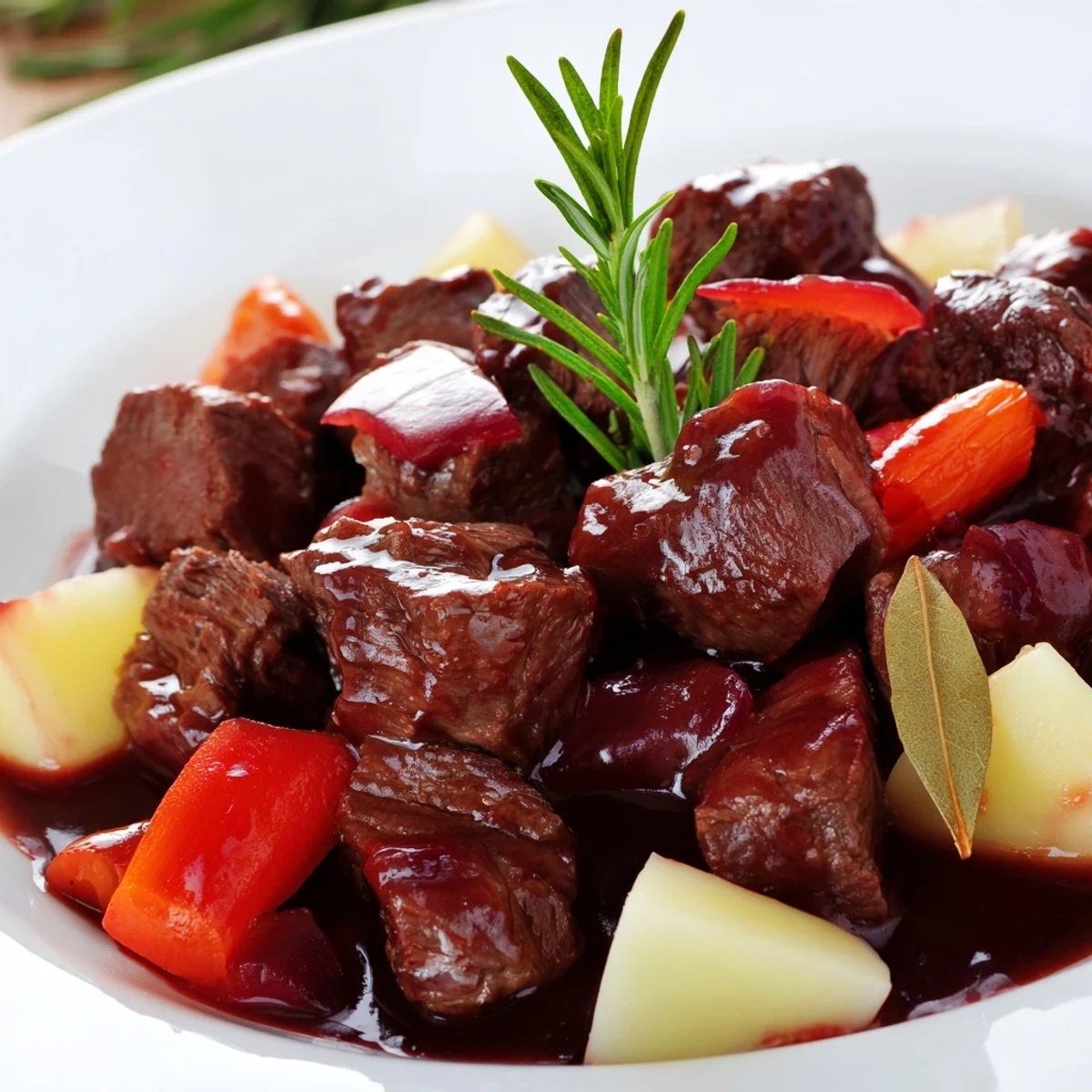
 There is something about lifting the lid off a pot of spezzatino after two hours that makes the kitchen feel like the safest place on earth, and handing someone a bowl of it feels like handing them a small apology for every cold evening they have ever endured alone.
Serving Suggestions Worth Trying
A thick slice of crusty bread is the most traditional companion and arguably the best one because you can tear off pieces and drag them through the sauce until nothing remains. Polenta is another fantastic option if you want something creamy and comforting beneath the rich meat. I have also served it over mashed potatoes on particularly indulgent evenings and not a single person complained.
Choosing the Right Wine for Cooking
You do not need an expensive bottle but you should reach for something you would actually drink, because cooking concentrates whatever is in that glass and a sour or overly tannic wine will make the entire stew taste off. A Chianti, Montepulciano, or any medium bodied dry red works beautifully. A friend once added a splash of balsamic vinegar alongside the wine and that tiny addition gave the sauce an incredible layer of sweetness and depth that I now replicate every single time.
Making It Your Own
Spezzatino is deeply forgiving and welcomes experimentation, so treat the recipe as a starting point rather than a rigid set of rules.
- Try adding a handful of peas or green beans in the last twenty minutes for a pop of color and freshness.
- A strip of orange peel simmered with the herbs adds a subtle brightness that catches people off guard in the best way.
- Always let the stew rest for at least ten minutes off the heat before serving because the sauce settles and thickens into the ideal consistency.
 Save to Pinterest
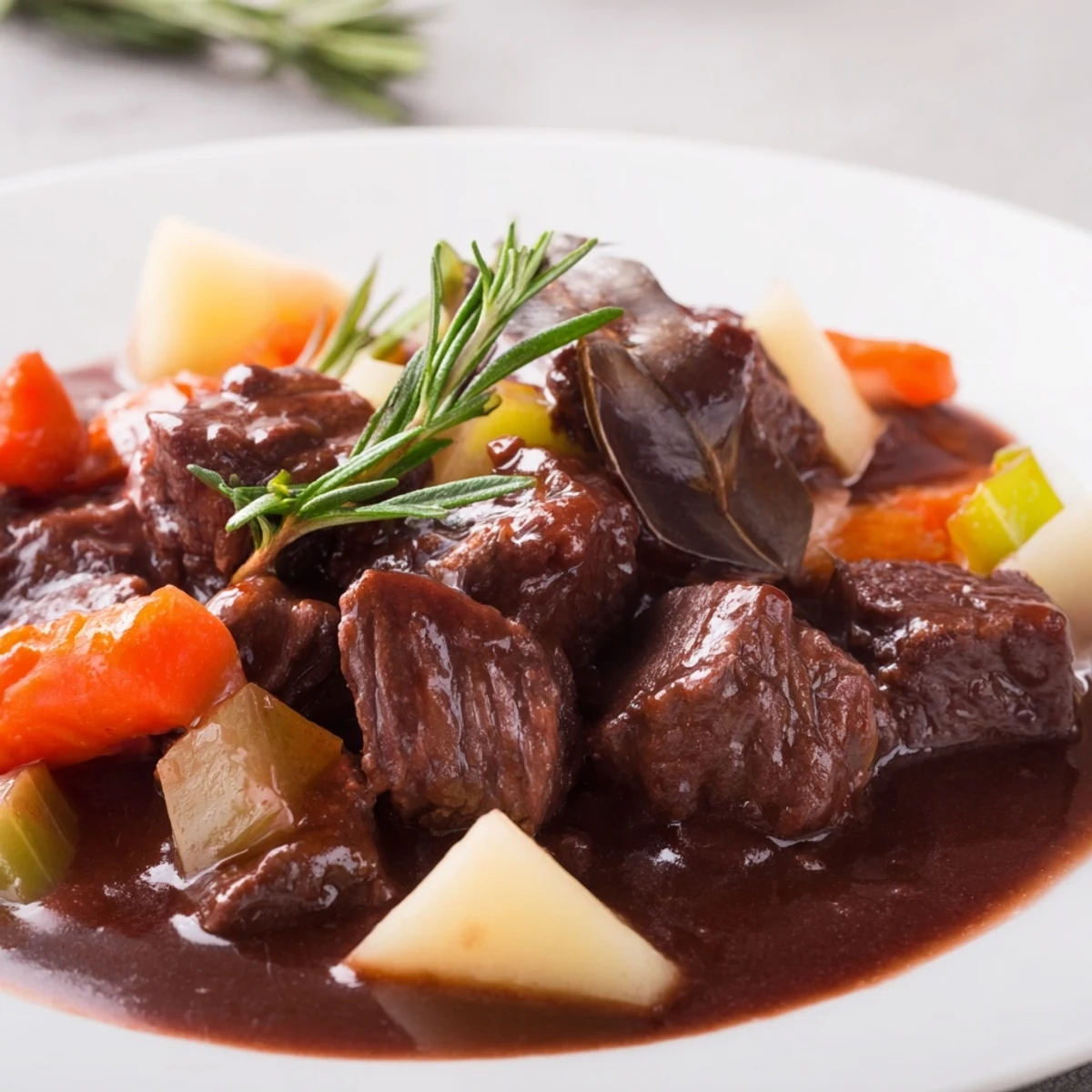
 Make this stew once and it will quietly become part of your colder weather rotation without you even deciding it should happen. Some dishes earn their place in your kitchen through sheer reliability, and this is one of them.
Questions & Answers
- → What cut of beef works best?
-
Beef chuck is ideal for spezzatino because it becomes tender during slow cooking. Cut into 3 cm cubes for even braising.
- → Can I make this ahead?
-
Yes, preparing it a day in advance actually improves the flavors. Reheat gently before serving.
- → What should I serve with it?
-
Rustic bread or polenta are traditional accompaniments. For gluten-free options, serve alone or with roasted vegetables.
- → Why reduce the wine first?
-
Reducing the wine concentrates its flavor and removes harsh alcohol notes, creating a richer base for the sauce.
- → How do I know when it's done?
-
The beef should be fork-tender and the sauce thickened. This typically takes about 2 hours of gentle simmering.
- → Can I use other herbs?
-
Fresh sage or oregano can complement or substitute the rosemary and thyme. Adjust quantities to taste.