
 Save to Pinterest
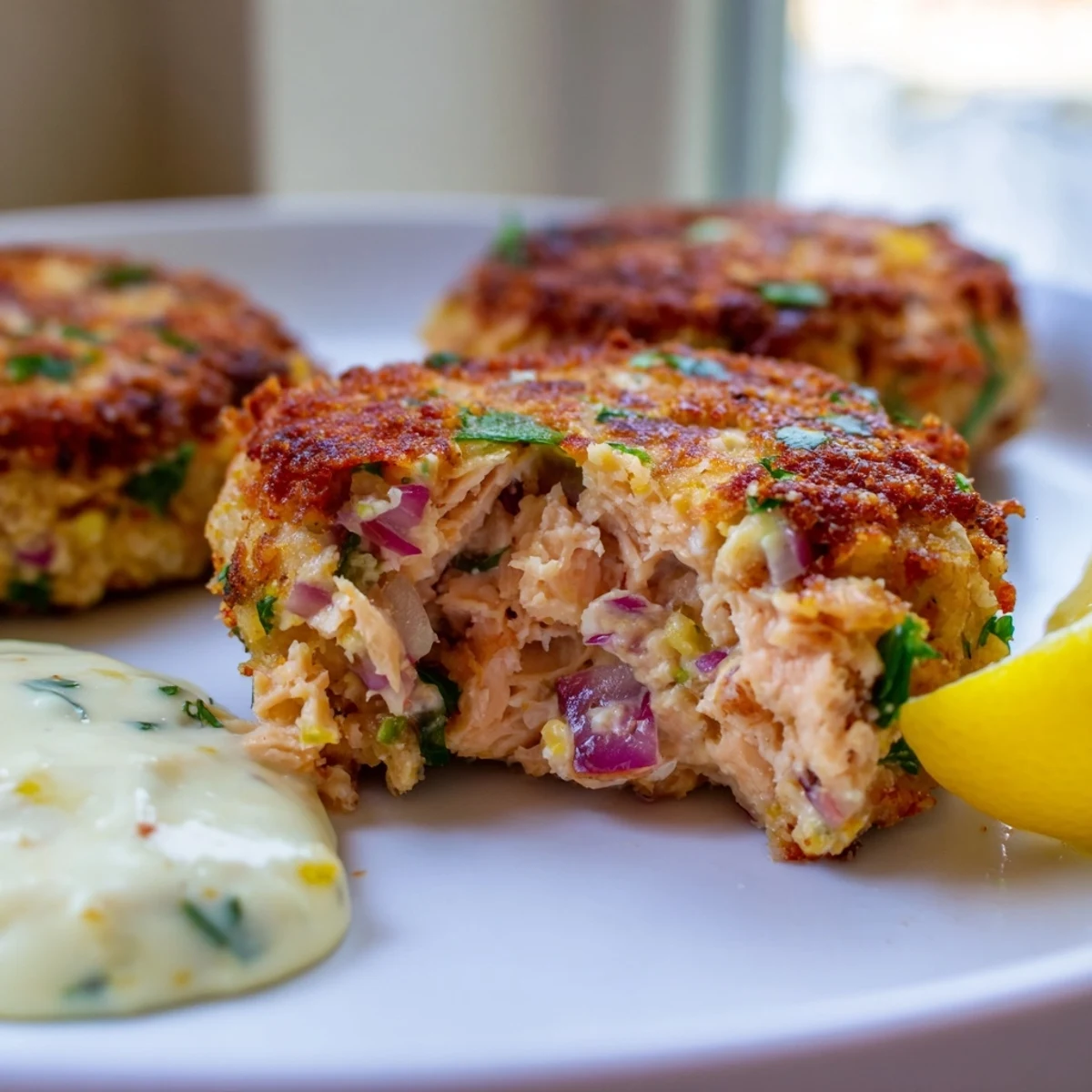
 These crisp, golden salmon cakes feature flaked wild Alaska salmon combined with zesty lemon, aromatic garlic, and a touch of Dijon mustard for depth. Pan-fried to perfection, each cake delivers a satisfying crunch outside with tender, flaky salmon inside.
Served alongside a silky homemade aioli boosted with fresh lemon juice and minced garlic, this dish works beautifully as a weeknight dinner or an elegant appetizer for gatherings. Ready in just 35 minutes from start to finish.
The sizzle of salmon hitting a hot pan on a rainy Tuesday evening is, frankly, one of life's most underrated sounds. I threw these cakes together after finding a gorgeous fillet on sale and not wanting to overcomplicate things. The lemon garlic aioli was an afterthought that ended up stealing the show. Now it is the one recipe my roommate texts me about at least twice a month.
I made a double batch for a friends potluck once and watched people abandon the fancy charcuterie board to hover near the kitchen. Someone actually asked if I had catered, which remains the proudest moment of my amateur cooking life.
Ingredients
- 1 lb wild Alaska salmon fillets, skin removed: Wild salmon has a firmer texture and cleaner flavor than farmed, which helps the cakes hold together without getting mushy.
- 1 cup panko breadcrumbs: Panko creates a lighter, crispier exterior than regular breadcrumbs, and it absorbs less moisture during mixing.
- 2 large eggs, lightly beaten: These bind everything together gently without making the mixture dense.
- 2 tbsp fresh parsley, chopped: Fresh parsley adds a bright, grassy note that balances the richness of the salmon and aioli.
- Zest of 1 lemon and 2 tbsp lemon juice: Using both zest and juice gives you layered citrus flavor, aromatic oils from the zest and sharp acidity from the juice.
- 2 garlic cloves, minced: Fresh garlic is nonnegotiable here. The preminced jar version tastes flat and metallic by comparison.
- 1/4 cup finely diced red onion: Red onion adds a mild bite and a pop of color. Dice it as finely as you can so no one gets a harsh chunk.
- 1 tbsp Dijon mustard: This acts as a flavor amplifier and adds a subtle warmth that most people cannot quite identify but definitely notice.
- 1/2 tsp salt and 1/4 tsp black pepper: Simple seasonings that let the salmon shine without competing.
- 2 tbsp olive oil for frying: Just enough to get a golden crust without making the cakes greasy.
- 1/2 cup mayonnaise (for aioli): A good quality mayo makes all the difference. I use a brand with simple ingredients and no added sugar.
- 1 garlic clove, finely minced (for aioli): Mince this one even finer than what goes in the cakes because it will be raw.
- 2 tsp lemon juice and 1 tsp Dijon mustard (for aioli): These two ingredients transform plain mayo into something you will want to put on everything.
- Salt and pepper to taste (for aioli): Start small, taste, and adjust. You can always add more.
Instructions
- Bake the salmon:
- Preheat your oven to 350 degrees Fahrenheit. Place the salmon fillets on a parchment lined baking sheet, season with a pinch of salt and pepper, and bake for 12 to 15 minutes until it flakes easily with a fork. Let it cool slightly, then flake it into large, chunky pieces with a fork.
- Build the mixture:
- In a large bowl, gently combine the flaked salmon, panko, eggs, parsley, lemon zest, lemon juice, minced garlic, red onion, Dijon mustard, salt, and pepper. Use your hands or a spatula and mix until just combined so the salmon stays in beautiful chunks rather than turning pasty.
- Shape the cakes:
- With damp hands, shape the mixture into 8 smaller cakes or 4 larger patties, pressing firmly enough that they hold together but not so hard that you compress them into hockey pucks. Wet hands prevent sticking and give you cleaner edges.
- Fry to golden perfection:
- Heat olive oil in a large nonstick skillet over medium heat. Add the cakes and cook 3 to 4 minutes per side until deeply golden and heated through. You want to hear a gentle sizzle the entire time. Drain briefly on paper towels.
- Whip up the aioli:
- In a small bowl, whisk together the mayonnaise, finely minced garlic, lemon juice, Dijon mustard, and a pinch each of salt and pepper. Taste it and adjust the seasoning until it makes you close your eyes.
- Serve and enjoy:
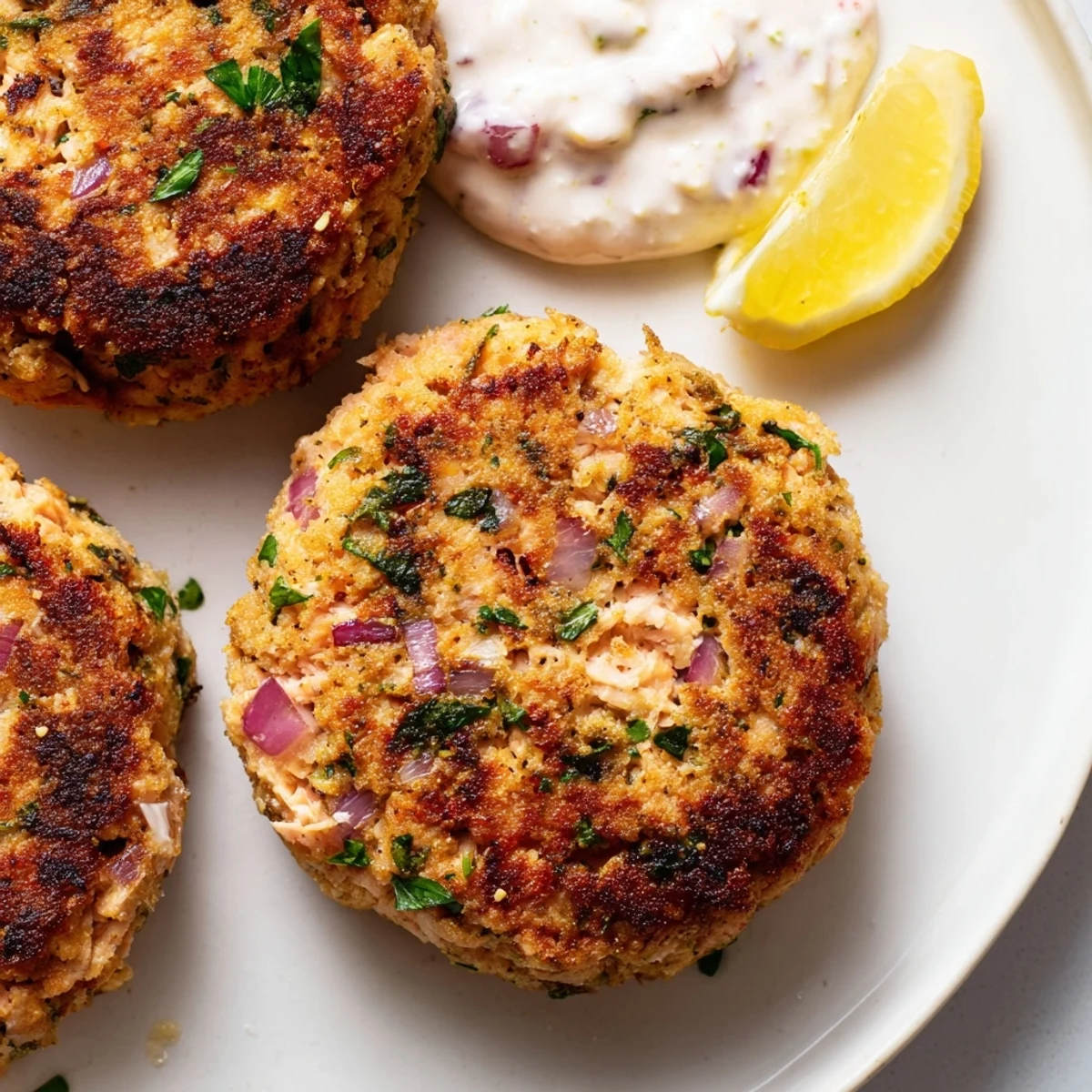
- Arrange the warm salmon cakes on a plate with a generous dollop of aioli and some lemon wedges alongside. Eat them while they are hot and crispy because that first bite is everything.
 Save to Pinterest
 The night I made these for my parents, my father went quiet after the first bite, which in my family means something has gone very right or very wrong. He looked up and said, you made this, like it was a genuine question, and I have never felt more like a real cook.
Getting the Right Texture
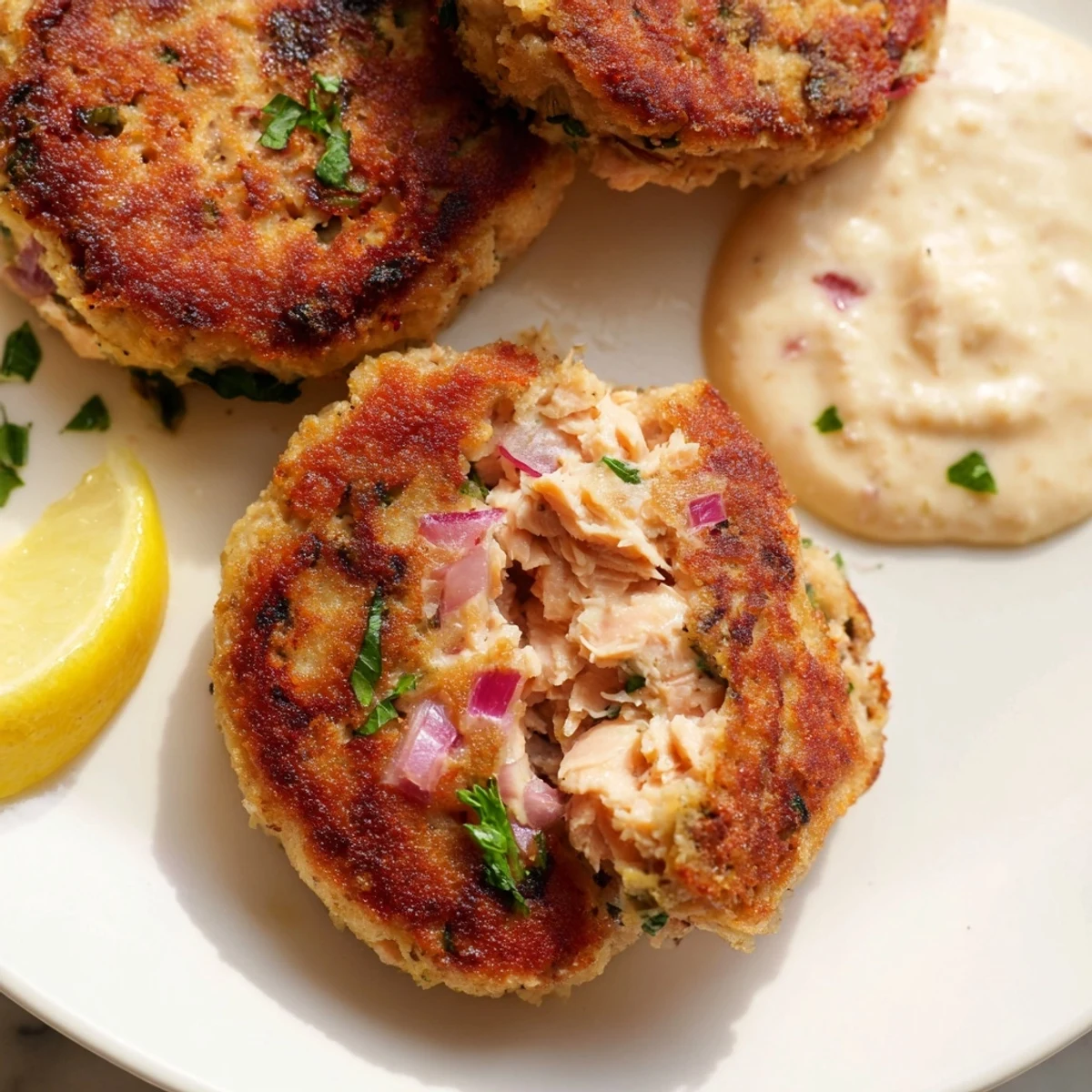
The magic of a great salmon cake is the contrast between the crispy outside and the tender, flaky interior. I learned the hard way that pressing the mixture too firmly compacts it and you end up with something closer to a fish puck than a cake. A light hand when mixing and shaping makes all the difference. You want visible chunks of salmon peeking through, not a uniform paste.
Swaps and Substitutions
Gluten free panko works seamlessly if you need to avoid gluten, and honestly most people will not notice the swap. Fresh dill or chives can stand in for parsley and each one shifts the flavor profile in a lovely way. If you want a dairy free version, just make sure your mayonnaise does not contain eggs or use a vegan alternative. A side of roasted vegetables or a simple arugula salad turns this into a complete, satisfying dinner.
Pairings and Storage
A crisp Sauvignon Blanc or an unoaked Chardonnay pairs beautifully with the lemon and garlic flavors without overpowering the salmon. Leftover cakes keep well in the refrigerator for up to two days and reheat in a skillet over medium heat far better than they do in the microwave.
- Reheat in a dry skillet for the best chance at recapturing that original crispiness.
- Extra aioli will keep in the fridge for about a week and is excellent on sandwiches or roasted vegetables.
- Do not freeze the cooked cakes because the texture changes and never quite recovers.
 Save to Pinterest
 Some recipes earn their place in your regular rotation by being simple, delicious, and forgiving enough to make on a weeknight without stress. These salmon cakes do all three and leave you with leftovers that disappear by lunch the next day.
Questions & Answers
- → Can I use canned salmon instead of fresh Alaska salmon fillets?
-
Yes, canned wild salmon works well as a shortcut. Drain it thoroughly and remove any bones or skin before mixing. The texture will be slightly different, but the flavor remains delicious. Use two 6-oz cans to replace the pound of fresh fillets.
- → How do I keep salmon cakes from falling apart while cooking?
-
The key is binding—eggs and breadcrumbs hold everything together. Chill the formed patties for 15–20 minutes before pan-frying, and avoid flipping them too early. Let a golden crust develop on each side, which takes about 3–4 minutes over medium heat.
- → What can I substitute for breadcrumbs to make these gluten-free?
-
Gluten-free panko breadcrumbs are the easiest swap and maintain the best crispy texture. Crushed rice crackers, almond flour blended with a little parmesan, or ground oats also work. Adjust quantities slightly until the mixture holds together when shaped.
- → Can I bake these salmon cakes instead of pan-frying?
-
Absolutely. Arrange the formed cakes on a parchment-lined baking sheet, brush or spray lightly with olive oil, and bake at 400°F (200°C) for about 12–15 minutes, flipping halfway through. They won't be quite as crispy but will still be golden and flavorful.
- → How long do leftovers last and can I freeze them?
-
Cooked salmon cakes keep in an airtight container in the refrigerator for up to 3 days. Reheat gently in a skillet to restore crispness. Uncooked formed patties freeze well for up to 2 months—thaw overnight in the fridge before cooking.
- → What sides pair well with these salmon cakes?
-
A light arugula salad with lemon vinaigrette complements the richness beautifully. Roasted asparagus, garlic green beans, or a simple coleslaw also work well. For a heartier plate, serve alongside herbed rice or roasted baby potatoes.