
 Save to Pinterest
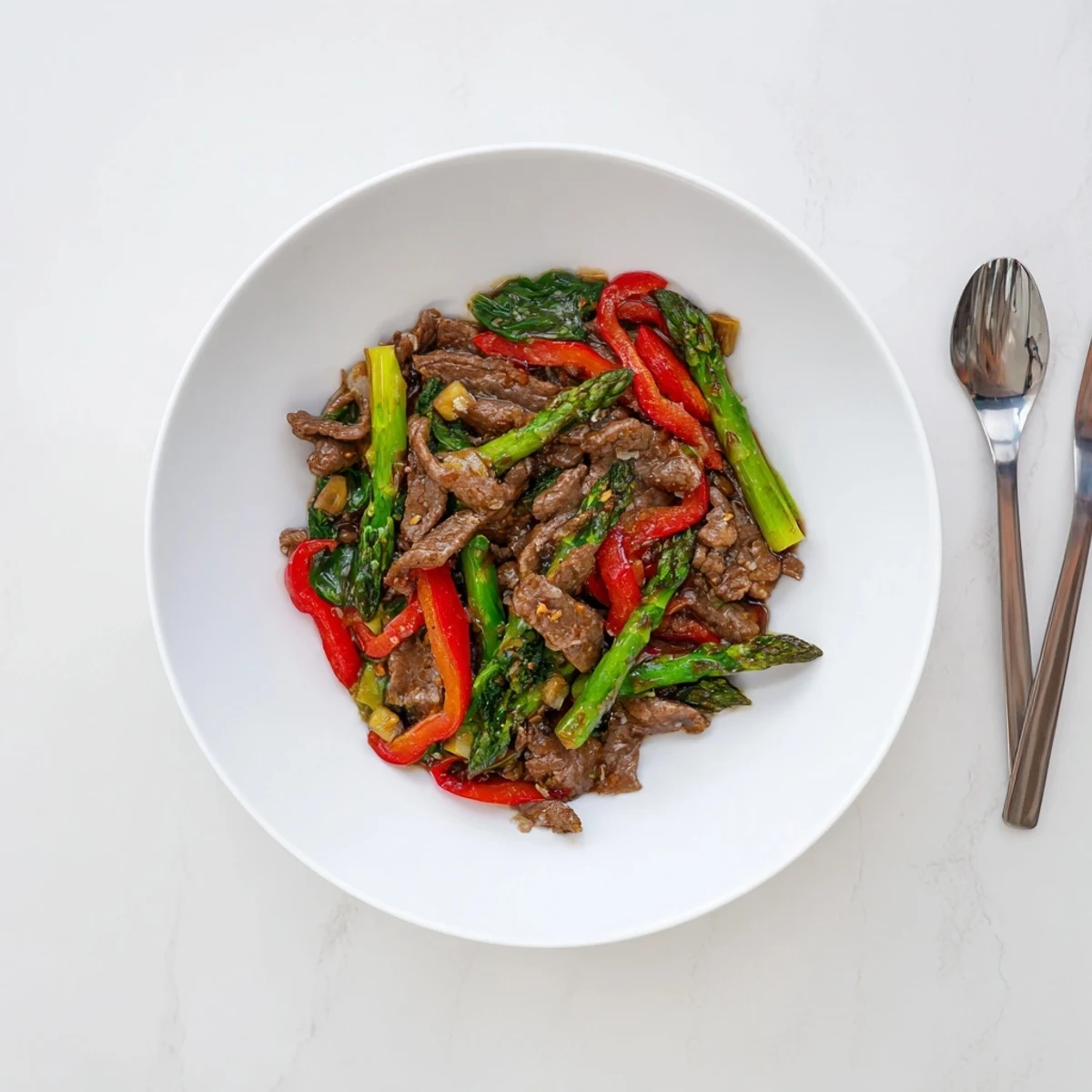
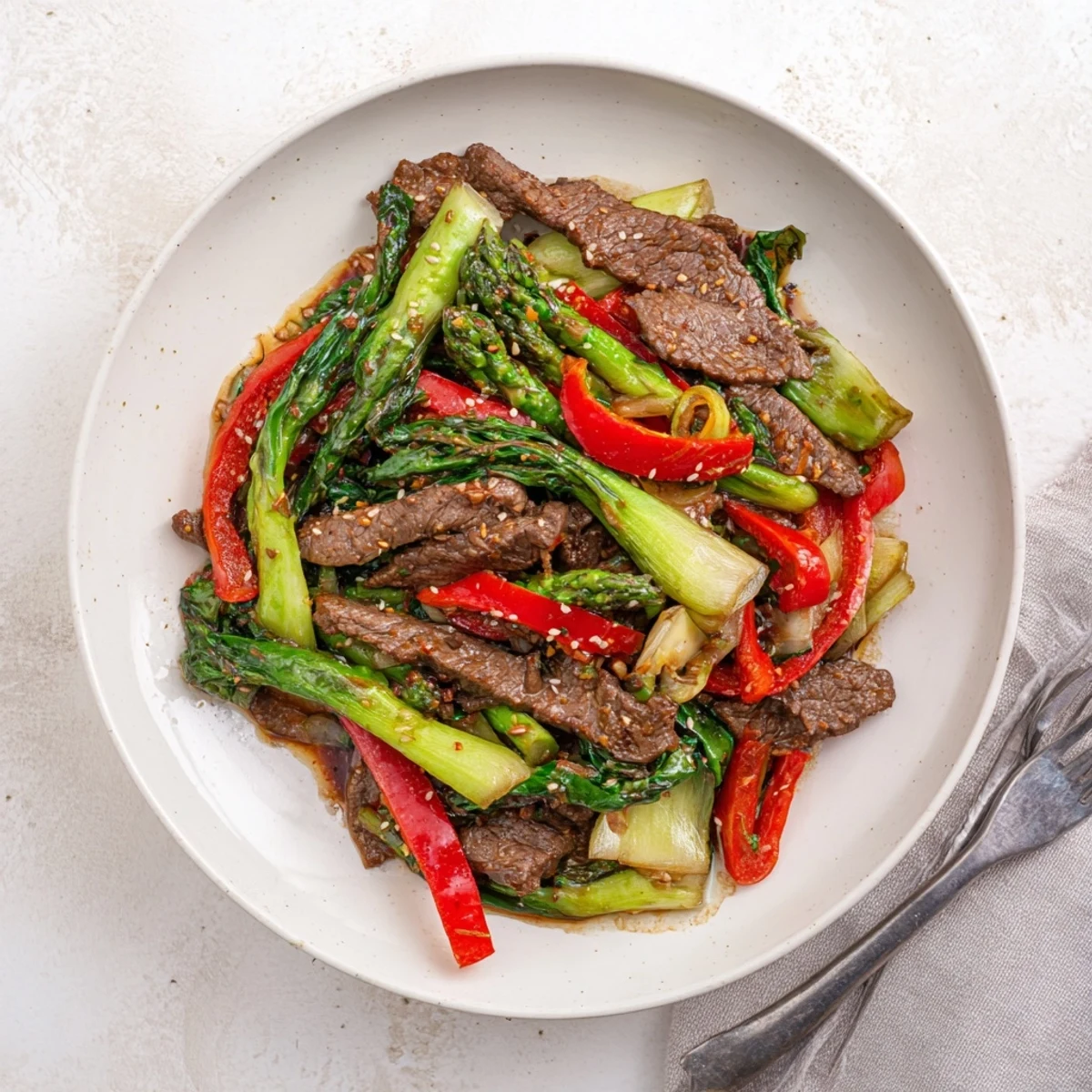
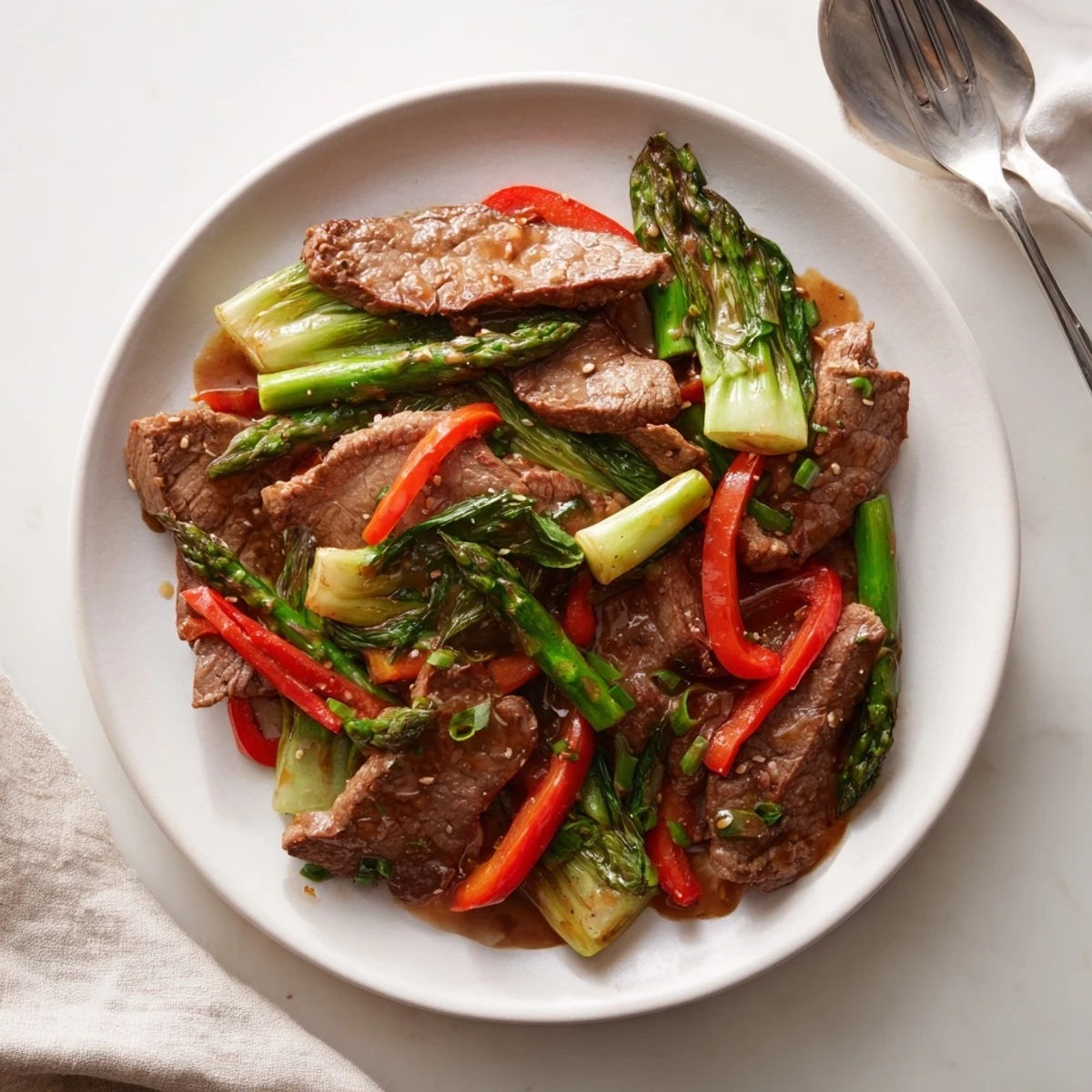
 This vibrant stir-fry combines thinly sliced beef sirloin with crisp asparagus and fresh bok choy, all coated in a rich, savory sauce made from soy sauce, oyster sauce, and hints of sesame. The entire dish comes together in just 30 minutes, making it an excellent choice for busy weeknights when you want something nutritious and satisfying.
The beef stays tender while the vegetables maintain their crunch, creating perfect texture contrast. Serve over steamed rice or noodles for a complete meal that delivers protein, vitamins, and bold Asian-inspired flavors in every bite.
The first time I made this stir-fry, I had just moved into my new apartment and my wok was still in a box somewhere. I used a regular skillet instead, and honestly? It worked perfectly. That night, standing over the stove with the windows open, the smell of garlic and ginger hitting the hot oil made the whole stressful move feel worth it.
Last Tuesday my neighbor caught me through the open window carrying the wok to the sink, steam still rising. She asked what I was making, and the next thing I knew, we were eating this together at her tiny kitchen table. Food has a way of turning strangers into friends, doesnt it?
Ingredients
- 400 g beef sirloin or flank steak, thinly sliced: Cutting against the grain makes all the difference here. I learned this the hard way after one too many chewy stir-fries.
- 1 large bunch bok choy, chopped: The stems add such a satisfying crunch while the leaves wilt beautifully into the sauce.
- 200 g asparagus, trimmed and cut: Spring asparagus works best, but this dish has gotten me through many a winter with frozen stuff too.
- 1 medium red bell pepper, sliced: Totally optional, but I love the pop of color and sweetness it brings to the plate.
- 2 cloves garlic, minced: Fresh garlic is non-negotiable here. The jarred stuff just doesnt have that punch.
- 2 tsp fresh ginger, grated: I keep a piece of ginger in my freezer just for recipes like this. It grates perfectly frozen and lasts forever.
- 3 tbsp low-sodium soy sauce: Regular soy sauce works, but I prefer controlling the salt level myself.
- 1 tbsp oyster sauce: This is the secret ingredient that gives restaurant-quality depth.
- 1 tbsp hoisin sauce: Adds this incredible complexity that makes people ask whats in it.
- 2 tsp cornstarch: This thickens the sauce just enough so it clings to every piece of beef and vegetable.
- 1/4 cup water: Helps dissolve everything and creates the right consistency.
- 1 tsp sesame oil: A little goes a long way. This stuff is potent and wonderful.
- 1/2 tsp sugar: Just enough to balance the salty elements without making it sweet.
- 1/4 tsp freshly ground black pepper: Freshly ground really does make a noticeable difference here.
- 2 tbsp vegetable oil: Peanut oil is my go-to for high-heat cooking, but whatever you have works.
Instructions
- Whisk together your sauce:
- Combine all the sauce ingredients in a small bowl until the cornstarch dissolves completely. Set it aside near your stove.
- Sear the beef quickly:
- Heat half the oil in your wok over high heat until it shimmers. Add the beef and stir-fry for 2-3 minutes until browned, then remove it to a plate.
- Bloom the aromatics:
- Add the remaining oil to the hot wok, then toss in the garlic and ginger. Stir for 30 seconds until fragrant but not brown.
- Cook the hearty vegetables:
- Add the asparagus and bell pepper, stir-frying for 2-3 minutes until they start to soften and get some color.
- Add the bok choy:
- Toss in the bok choy and cook for another 2 minutes until the stems are tender-crisp and leaves just wilted.
- Combine everything:
- Return the beef to the wok, pour in the sauce, and stir-fry for 2-3 minutes until thickened and coating everything beautifully.
 Save to Pinterest
 My grandmother never measured anything when she stir-fried. She taught me to cook by sound and smell, but Ive written down measurements here because I know how frustrating it can be to guess. Still, sometimes I ditch the measuring spoons and cook by feel.
Making It Your Own
Sometimes I swap in chicken thighs when beef feels too heavy for the weather. Tofu works beautifully too, just press it well first so it gets those golden edges. The vegetables are completely flexible too.
Serving Ideas
Steamed jasmine rice is classic, but Ive also served this over udon noodles for a more substantial meal. On busy nights, Ive even eaten it straight from the bowl standing up at the counter.
Getting Ahead
You can slice the beef and wash the vegetables hours before cooking. I sometimes make the sauce in the morning and leave it in the fridge. Just give it a quick whisk before using.
- The beef slices better when slightly frozen, about 20 minutes in the freezer.
- Cut all your vegetables before you start cooking once the wok is hot, things move fast.
- Have a clean plate ready for the beef before you begin.
 Save to Pinterest
 Theres something deeply satisfying about a stir-fry. Hot, fast, and alive in the bowl. I hope this becomes one of your go-to weeknight warriors too.
Questions & Answers
- → What cut of beef works best?
-
Flank steak or sirloin are ideal choices. Slice thinly against the grain to ensure tenderness. Partially freezing the beef for 20 minutes makes slicing easier.
- → Can I make this gluten-free?
-
Yes, substitute regular soy sauce with tamari and use gluten-free versions of oyster and hoisin sauces. Always check labels to verify gluten-free certification.
- → How do I prevent the vegetables from becoming mushy?
-
Stir-fry over high heat and cook vegetables just until crisp-tender. Add bok choy last since it cooks faster than asparagus. Don't overcrowd the wok.
- → Can I substitute the protein?
-
Absolutely. Chicken breast, tofu, or shrimp work well with these vegetables and sauce. Adjust cooking times accordingly—shrimp cooks faster than beef.
- → What should I serve this with?
-
Steamed jasmine rice or noodles are traditional choices. For low-carb options, serve over cauliflower rice or enjoy on its own as a complete protein and vegetable dish.
- → How long will leftovers keep?
-
Store in an airtight container in the refrigerator for up to 3 days. Reheat gently in a skillet over medium heat to maintain texture. The sauce may thicken when chilled.