
 Save to Pinterest
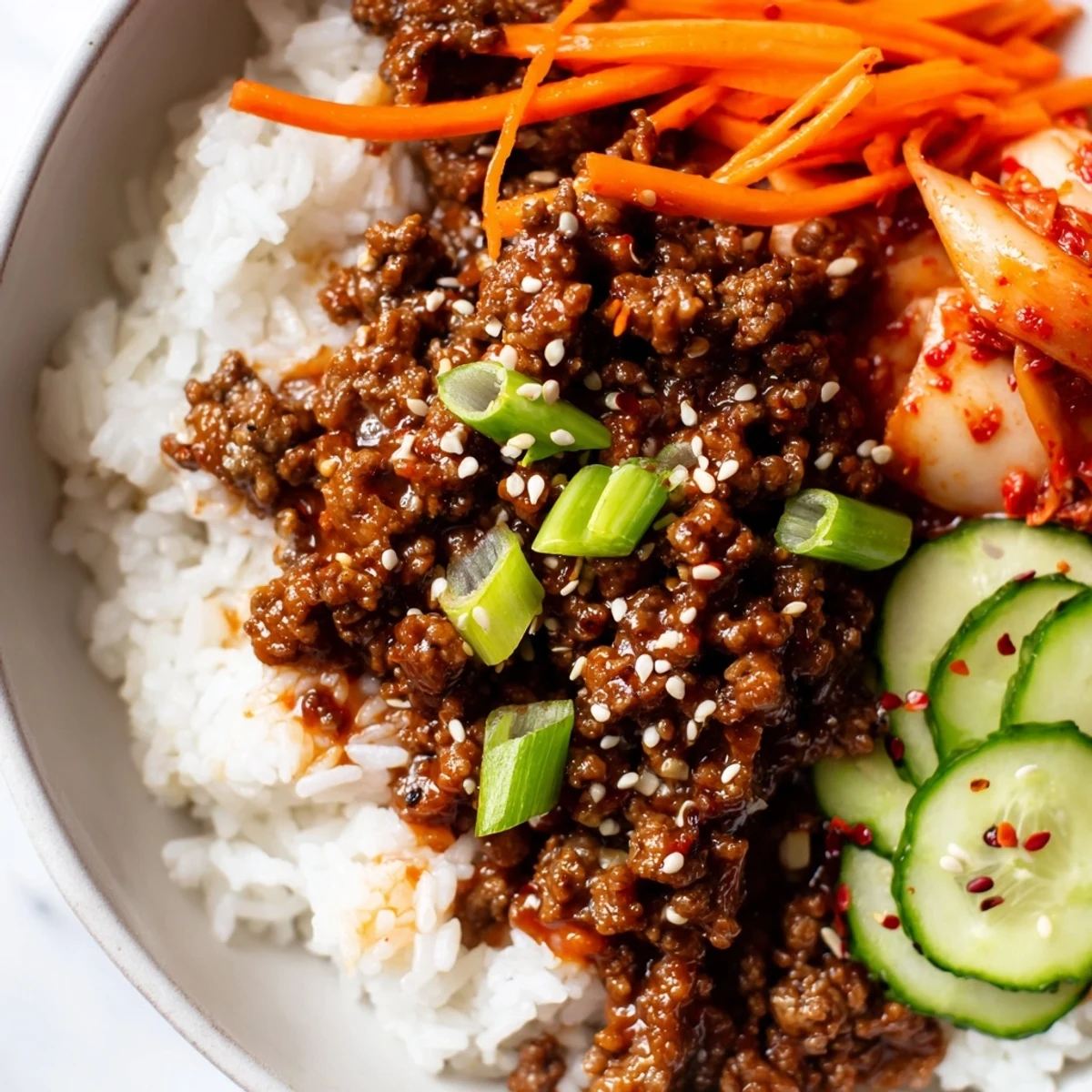
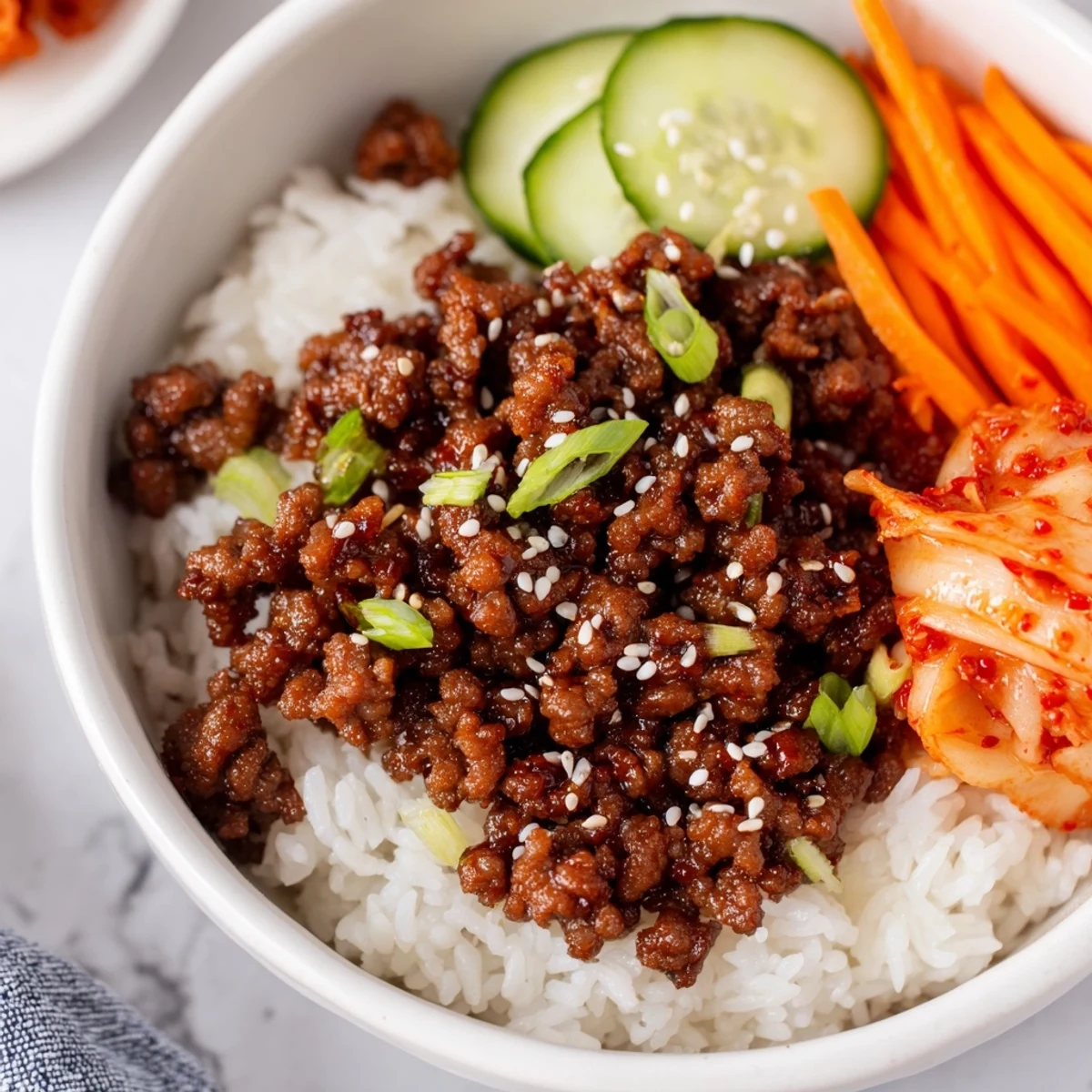
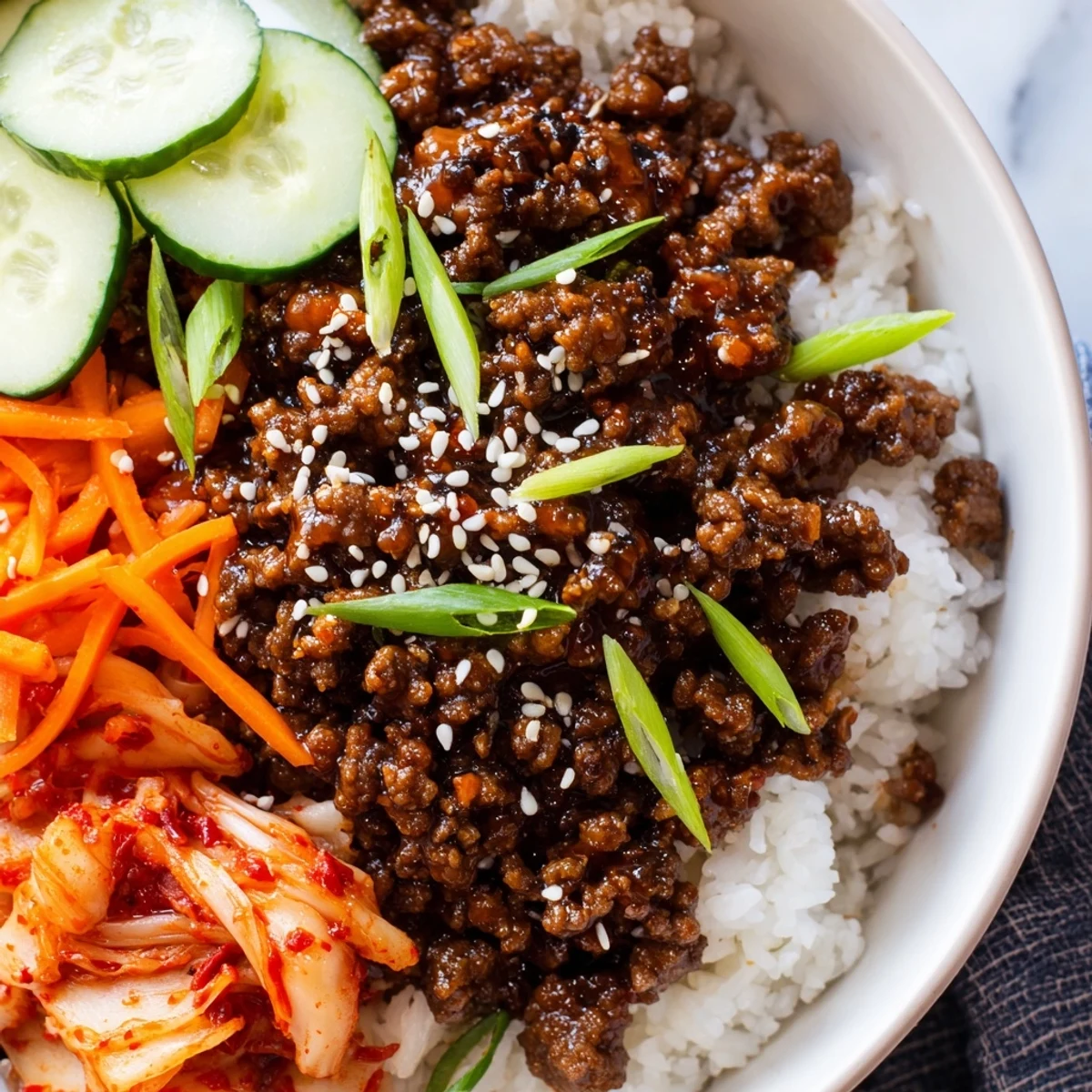
 This Korean ground beef bowl brings together lean browned beef and a bold sauce made from soy sauce, brown sugar, sesame oil, garlic, ginger, and gochujang. The sweet, savory, and spicy glaze coats every bite of tender beef, which gets served over fluffy jasmine or short-grain rice.
Top each bowl with julienned carrot, thinly sliced cucumber, green onions, toasted sesame seeds, and kimchi for crunch and freshness. The whole dish comes together in just 25 minutes, making it perfect for busy weeknights when you want something deeply satisfying without spending hours at the stove.
The sizzle of ground beef hitting a hot skillet on a Tuesday evening is one of those sounds that instantly signals dinner is happening, no matter how chaotic the day has been. My fridge held half a cucumber, some green onions on their last leg, and a jar of gochujang that had been waiting for its moment. Twenty five minutes later, I was standing at the counter eating straight from the pan, telling myself it was just quality control. That bowl of sweet, savory, mildly spicy beef over rice rewired something in my weeknight cooking brain.
I made this for my neighbor Dave once when he helped me carry a couch up three flights of stairs. He sat on my kitchen floor with the bowl balanced on his knee and said nothing for a full five minutes, which I took as the highest compliment a home cook can receive.
Ingredients
- 1 lb (450 g) lean ground beef: Lean is key here because the sauce provides all the richness you need, and excess fat just muddies the flavor.
- 2 cups cooked jasmine or short-grain rice: Short-grain rice gives that slightly sticky texture that grabs onto the sauce, but jasmine works beautifully if that is what you have.
- 1/4 cup low sodium soy sauce: Low sodium lets you control the salt level because regular soy sauce can overwhelm the delicate balance of sweet and heat.
- 2 tbsp brown sugar: This is what creates that glossy, caramel-like coating on the beef and balances the salty and spicy elements.
- 1 tbsp sesame oil: Toasted sesame oil is the soul of this dish, so do not skip it or substitute with a neutral oil.
- 3 cloves garlic, minced: Fresh garlic makes a noticeable difference here, so please resist the urge to use the jarred kind.
- 1 tbsp grated fresh ginger: Freeze your ginger and grate it straight from frozen for the finest texture and the most intense flavor.
- 1/2 to 1 tsp crushed red pepper flakes: Start with half a teaspoon and taste before adding more because the heat builds as the sauce simmers.
- 2 tsp rice vinegar: Just a splash of acidity to brighten the whole bowl and keep the sweetness from becoming cloying.
- 1 tbsp gochujang (optional): This Korean chili paste adds depth and a fermented warmth that regular chili flakes cannot replicate on their own.
- 2 green onions, sliced: Slice them thinly on a sharp diagonal for the best texture and a prettier presentation.
- 1 tbsp toasted sesame seeds: Toast them yourself in a dry pan for one minute and you will never go back to the untoasted version.
- 1 carrot, julienned: The crunch and subtle sweetness of raw carrot is a refreshing contrast to the hot, saucy beef.
- 1 small cucumber, thinly sliced: Persian or English cucumbers work best because you do not have to deal with seeds or peeling.
- Kimchi (optional, for serving): If you have kimchi in your fridge, add it without hesitation because the funky tang pulls everything together.
Instructions
- Whisk the sauce together:
- In a small bowl, combine the soy sauce, brown sugar, sesame oil, garlic, ginger, red pepper flakes, rice vinegar, and gochujang if you are using it. Whisk until the sugar dissolves and the mixture looks unified, then set it aside so the flavors start to mingle while you cook.
- Brown the beef:
- Heat a large skillet over medium-high heat and add the ground beef, breaking it apart with a spatula or wooden spoon as it cooks. Let it sit undisturbed for a minute at a time so you get some actual browning rather than a grey steamed mass, which should take about five to seven minutes total.
- Build the glaze:
- Pour the sauce over the browned beef and stir everything together so every crumb gets coated. Let it simmer for two to three minutes until the sauce thickens slightly and becomes glossy, watching closely so it does not reduce too far and become sticky.
- Build your bowl:
- Divide the warm rice among four bowls and ladle the saucy beef over the top while it is still piping hot. Arrange your toppings in little clusters around the bowl because eating with your eyes first is not pretentious, it is just human.
- Finish and serve:
- Scatter the green onions and sesame seeds over everything, tuck the cucumber and carrot slices along the edges, and add kimchi if you have it. Serve immediately because this dish waits for no one and the textures are best when the beef is hot and the vegetables are cool and crisp.
 Save to Pinterest
 There was a week last winter when I made this three times, each iteration slightly different depending on what was wilting in the vegetable drawer. By Friday my roommate started referring to it as that beef thing and I knew it had earned a permanent spot in our household vocabulary.
Making It Your Own
Ground chicken or turkey swaps in seamlessly if you want something lighter, though you may need a splash of oil to compensate for the lower fat content. The sauce is forgiving enough that you can play with the ratios, adding more sugar if you like it candy-sweet or doubling the gochujang if heat is your love language. I have thrown in leftover spinach, shredded zucchini, and even diced pineapple on adventurous nights, and not once has the bowl complained.
Keeping It Gluten-Free and Allergy-Safe
Swap the soy sauce for tamari and you have a gluten-free bowl that tastes identical, which is a relief because nobody should have to miss out on this over a dietary restriction. Always double-check your gochujang label since some brands sneak in wheat thickeners. The sesame oil and sesame seeds are non-negotiable flavor pillars, so if sesame is an allergen, this particular recipe might not be the best fit without significant restructuring.
Storing and Reheating Like a Pro
The beef mixture stores beautifully in an airtight container in the fridge for up to four days, and honestly the sauce penetrates even deeper overnight so leftovers taste better than day one. Store the rice separately if you can because reheating them together tends to make the rice mushy. The toppings should stay raw and fresh in their own container, added only when you are ready to eat.
- Reheat the beef gently in a skillet with a splash of water to loosen the sauce back to its original consistency.
- Freeze the beef mixture in portions for up to three months, then thaw overnight in the fridge for a nearly instant future dinner.
- Always make extra rice because this bowl is only as satisfying as the foundation underneath it.
 Save to Pinterest
 Some recipes earn their place in your kitchen through complexity and spectacle, but this one earns it through sheer reliability and the quiet joy of a warm bowl on a cold night. Keep the sauce ingredients stocked and you will never dread a weeknight again.
Questions & Answers
- → Can I use ground chicken or turkey instead of beef?
-
Yes, ground chicken or turkey works well as a leaner alternative. Keep in mind that poultry has a milder flavor, so you may want to add an extra splash of soy sauce or a little more gochujang to compensate. Cooking time remains roughly the same.
- → How spicy is this Korean ground beef bowl?
-
The heat level is fully adjustable. Using ½ teaspoon of red pepper flakes without gochujang yields a mild warmth, while the full teaspoon plus gochujang brings noticeable but manageable spice. Taste the sauce before adding it to the beef and adjust as needed.
- → What can I substitute for gochujang?
-
If you don't have gochujang on hand, you can use a mix of sriracha and a pinch of sugar, or miso paste with extra red pepper flakes. The flavor won't be identical, but the dish will still be delicious. Gochujang adds a fermented depth that is hard to replicate entirely.
- → How do I store and reheat leftovers?
-
Store the beef mixture and rice separately in airtight containers in the refrigerator for up to 3 days. Reheat the beef in a skillet or microwave until warmed through, adding a splash of water if the sauce has thickened too much. Fresh toppings should be stored separately and added just before serving.
- → Is this dish gluten-free?
-
Not as written, since standard soy sauce contains wheat. To make it gluten-free, swap the soy sauce for tamari or a certified gluten-free soy sauce. Double-check that your gochujang brand is also gluten-free, as some contain wheat-based additives.
- → What type of rice works best for this bowl?
-
Short-grain white rice or jasmine rice are ideal because they have a slightly sticky texture that pairs well with the saucy beef. Brown rice or quinoa can also be used for a heartier, nuttier option, though the cooking time will be longer.