
 Save to Pinterest
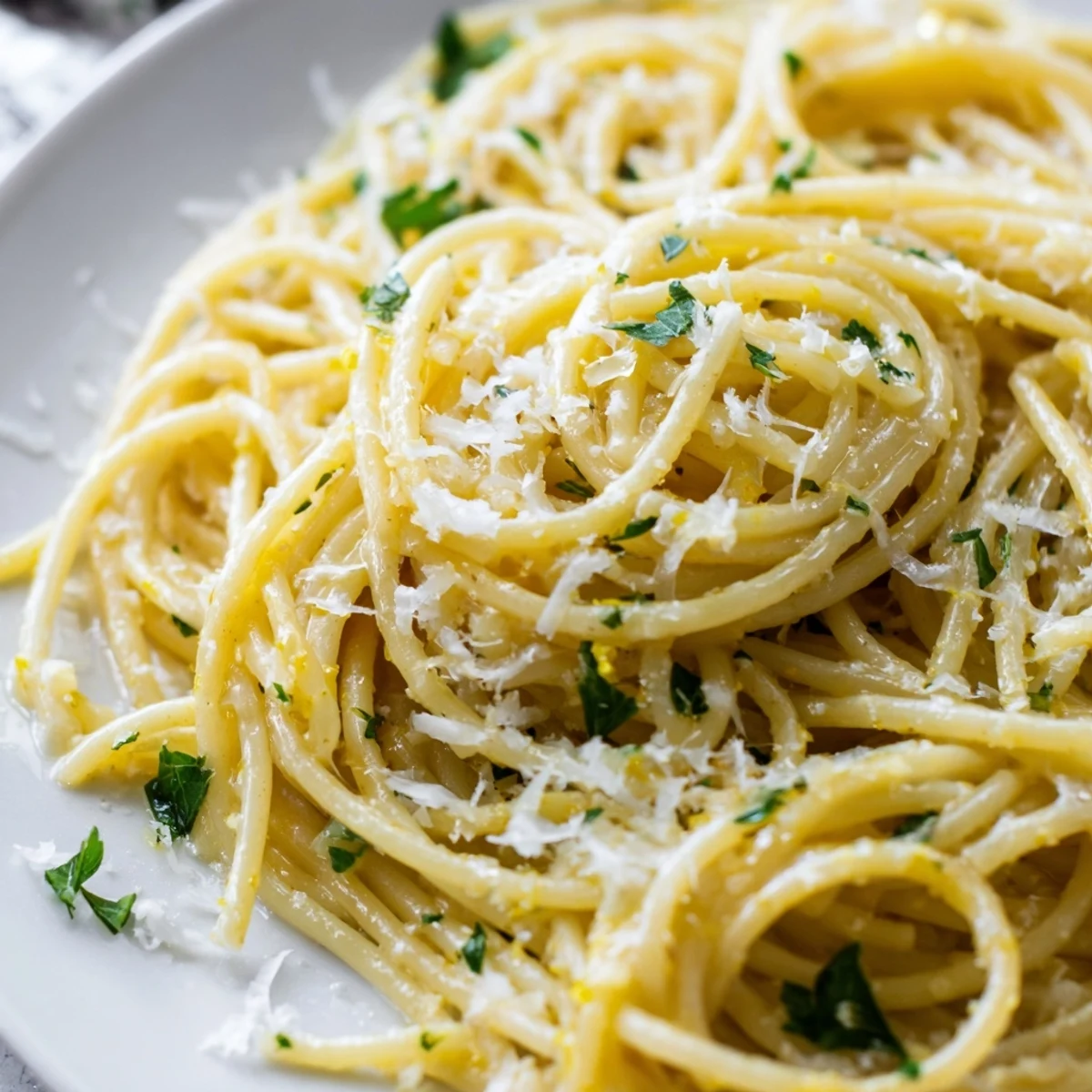
 This classic Italian-inspired pasta features spaghetti coated in a velvety sauce made with unsalted butter, fragrant minced garlic, and extra-virgin olive oil. Bright lemon zest and juice add brightness, while freshly grated Parmesan brings savory depth. Red pepper flakes provide optional warmth, and fresh parsley finishes the dish. Ready in just 25 minutes, this vegetarian main serves four and works beautifully with sautéed mushrooms or spinach for added substance.
The apartment was tiny and the budget even smaller, but somehow garlic butter pasta made everything feel luxurious. My roommate and I would whip this up on Tuesday nights, burning garlic more times than I care to admit while learning that patience at medium heat beats high heat every single time. That perfume of sizzling butter and garlic hitting the pan still signals comfort like nothing else.
Last winter, my sister called at 8 PM feeling completely defeated by work. I talked her through this recipe over the phone while making it myself, and somehow that shared cooking moment, miles apart, turned her whole evening around. Theres something deeply connecting about knowing someone else is stirring garlic butter at the exact same moment as you.
Ingredients
- Pasta (350 g spaghetti or linguine): Long strands hold onto that silky sauce beautifully, and investing in decent bronze-die pasta makes a surprising difference in texture
- Unsalted butter (4 tbsp): Starting with unsalted lets you control the seasoning, and cutting it into cold cubes helps it melt evenly rather than separating
- Garlic cloves (4, finely minced): Freshly minced cloves release way more aromatic oils than pre-minced stuff ever could, so grab your knife and put in the two minutes
- Extra-virgin olive oil (2 tbsp): The oil raises butters smoke point, keeping your garlic from turning bitter and acrid while still getting that gorgeous golden color
- Crushed red pepper flakes (1/4 tsp, optional): Even if you think you do not like heat, this tiny amount adds complexity without actual burn
- Lemon zest (1 lemon) and juice (1 tbsp): The zest is where all the aromatic oils live, so do not skip it, and the juice cuts through the butter richness beautifully
- Freshly grated Parmesan cheese (1/4 cup): Grating your own melts way better than pre-grated, which often has anti-caking agents that keep it from incorporating smoothly
- Salt and freshly ground black pepper: Pasta water should taste like the ocean, and fresh pepper has a warmth that pre-ground just cannot match
- Fresh parsley (2 tbsp, chopped): This is not just garnish, it adds a fresh, grassy brightness that balances all that rich butter
Instructions
- Get that pasta water going:
- Fill your largest pot with water and salt it generously, then bring it to a rolling boil before adding pasta
- Cook the spaghetti until al dente:
- Give those strands a stir immediately to keep them from clumping, then test a piece two minutes before the package says it should be done
- Reserve that liquid gold:
- Before draining, scoop out about half a cup of starchy pasta water, because that liquid is going to transform your sauce into something silky and cohesive
- Start the garlic butter base:
- While pasta cooks, heat olive oil and butter in your biggest skillet over medium heat until the foam subsides and it starts to smell nutty
- Infuse the fat with flavor:
- Add your minced garlic and red pepper flakes, stirring constantly for one to two minutes until it is fragrant and pale gold, watching like a hawk to prevent burning
- Add the lemon and toss it together:
- Stir in the lemon zest, then dump in the drained pasta and toss everything together, adding pasta water a splash at a time until it is glossy and coated
- Finish with brightness and cheese:
- Remove from heat, squeeze in the lemon juice and half the Parmesan, tossing vigorously to emulsify, then taste and adjust salt and pepper before serving
- Garnish like you mean it:
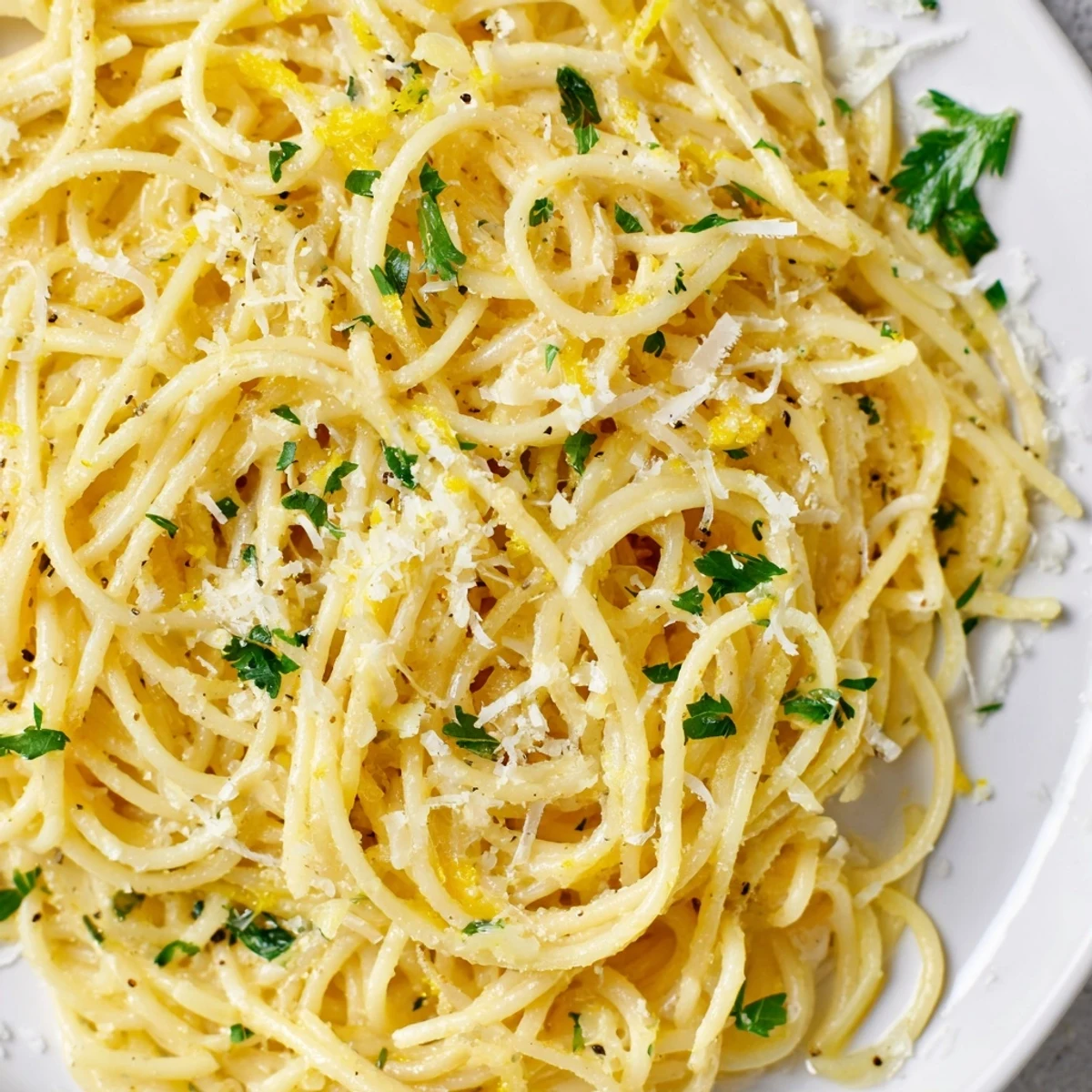
- Divide among warm plates and shower with the remaining Parmesan and fresh parsley, because we eat with our eyes first
 Save to Pinterest
 My friend Alessandro taught me that pasta water is the secret weapon restaurant chefs use, and now I never drain pasta without saving some first. Watching him transform humble ingredients into something extraordinary completely changed how I approach home cooking.
Getting The Sauce Just Right
The magic happens when pasta water meets butter, creating an emulsion that clings to every strand. Add that starchy water gradually rather than all at once, tossing constantly to see the sauce transform from loose and broken to glossy and creamy. This technique works for almost any pasta dish, not just garlic butter.
Perfecting Your Garlic
Thin, even slices of garlic cook more evenly than chunks, but if you prefer minced like the original recipe calls for, do not rush the prep work. Rushed garlic that is unevenly minced will brown at different rates, leaving you with some bitter bits and some raw pieces. Whatever method you choose, keep the heat at medium or lower.
Make It Your Own
Sometimes the best recipes become staples because they are endlessly adaptable. Once you have the basic technique down, you can start adding whatever sounds good or whatever needs using up from your refrigerator.
- Sautéed mushrooms add a meaty, umami-rich element that makes this feel even more substantial
- A handful of baby spinach wilts beautifully in the hot pasta and adds some welcome color and nutrients
- For protein, grilled shrimp or pan-seared chicken thighs pair perfectly with the bright, buttery flavors
 Save to Pinterest
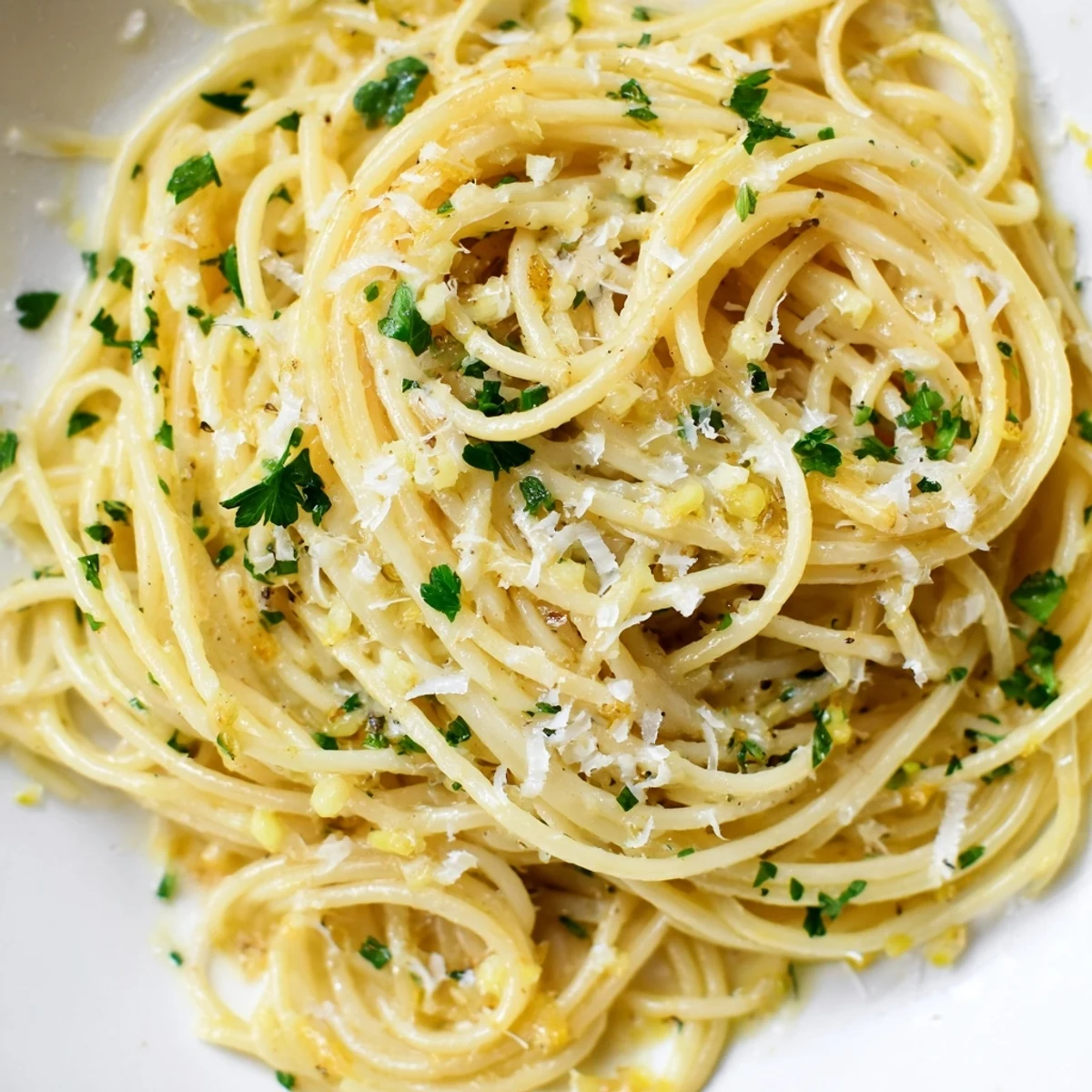
 Some of the best meals are the simplest ones, made with love and a little bit of patience. Grab a fork and dig in.
Questions & Answers
- → How do I prevent the garlic from burning?
-
Sauté the minced garlic over medium heat for just 1-2 minutes until fragrant. Watch closely—it should turn golden but not brown. Lower the heat if needed and stir constantly to prevent sticking.
- → Can I use different pasta shapes?
-
While spaghetti and linguine work beautifully, you can use fettuccine, penne, or rigatoni. Thicker shapes may require slightly more pasta water to achieve a silky coating.
- → What can I substitute for Parmesan?
-
Pecorino Romano offers a similar salty bite. Grana Padano works well for a milder flavor. For a dairy-free version, use vegan Parmesan or nutritional yeast for umami.
- → Why add pasta water to the sauce?
-
The starchy pasta water emulsifies with the butter and oil, creating a silky sauce that clings to the noodles. Add it gradually until you reach your desired consistency.
- → Can this be made ahead?
-
The sauce comes together quickly, so it's best made fresh. However, you can mince the garlic, zest the lemon, and grate the Parmesan up to a day ahead to streamline prep time.