
 Save to Pinterest
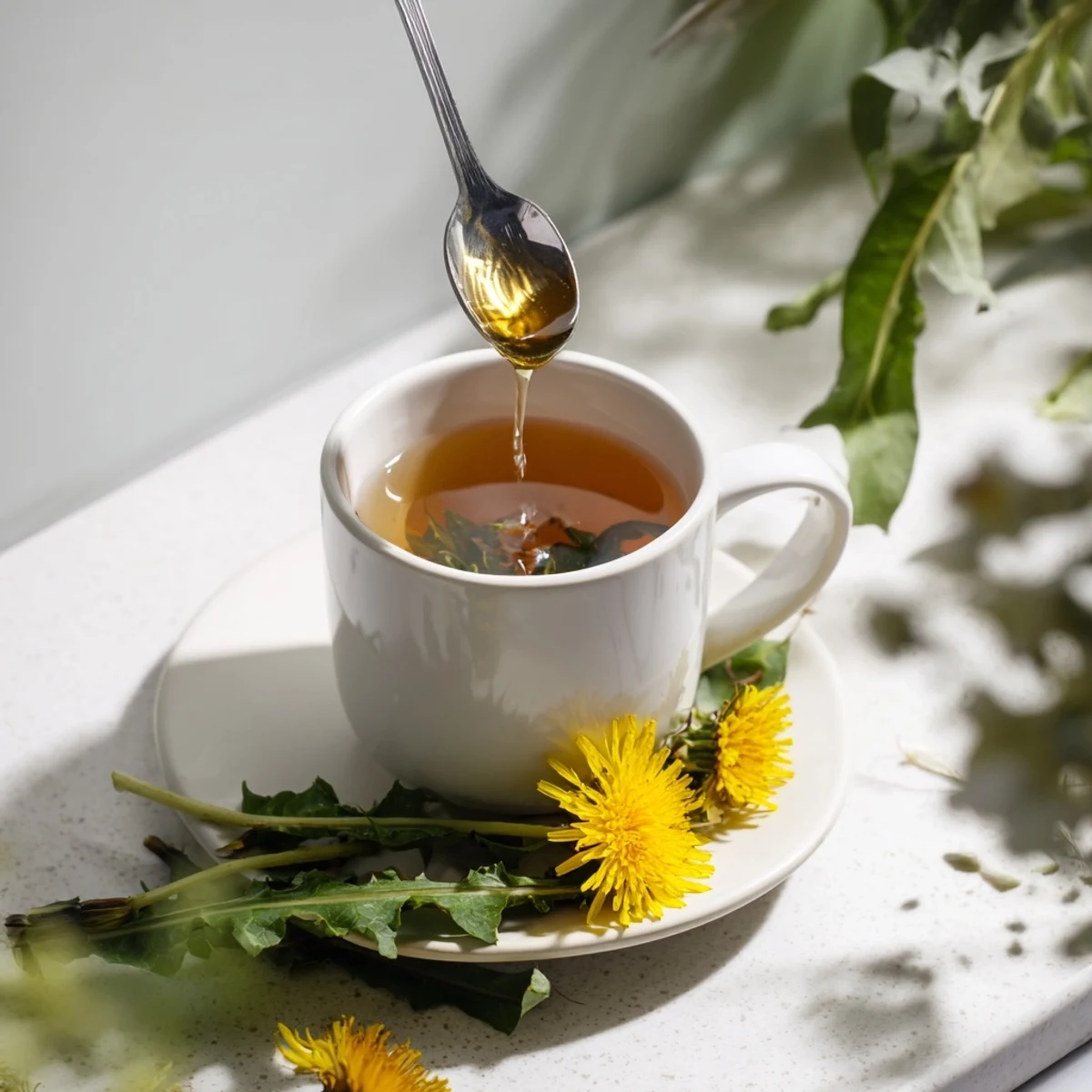
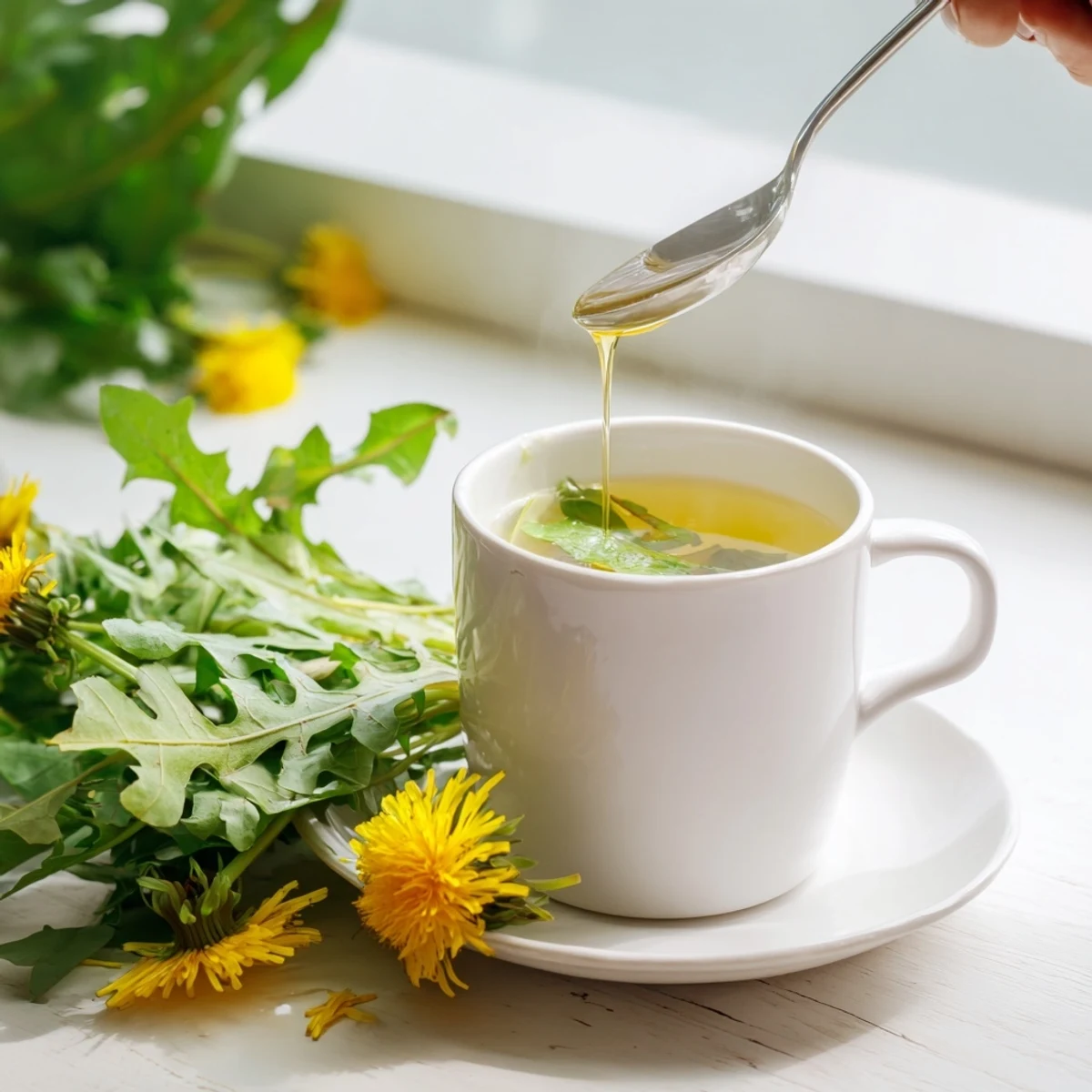
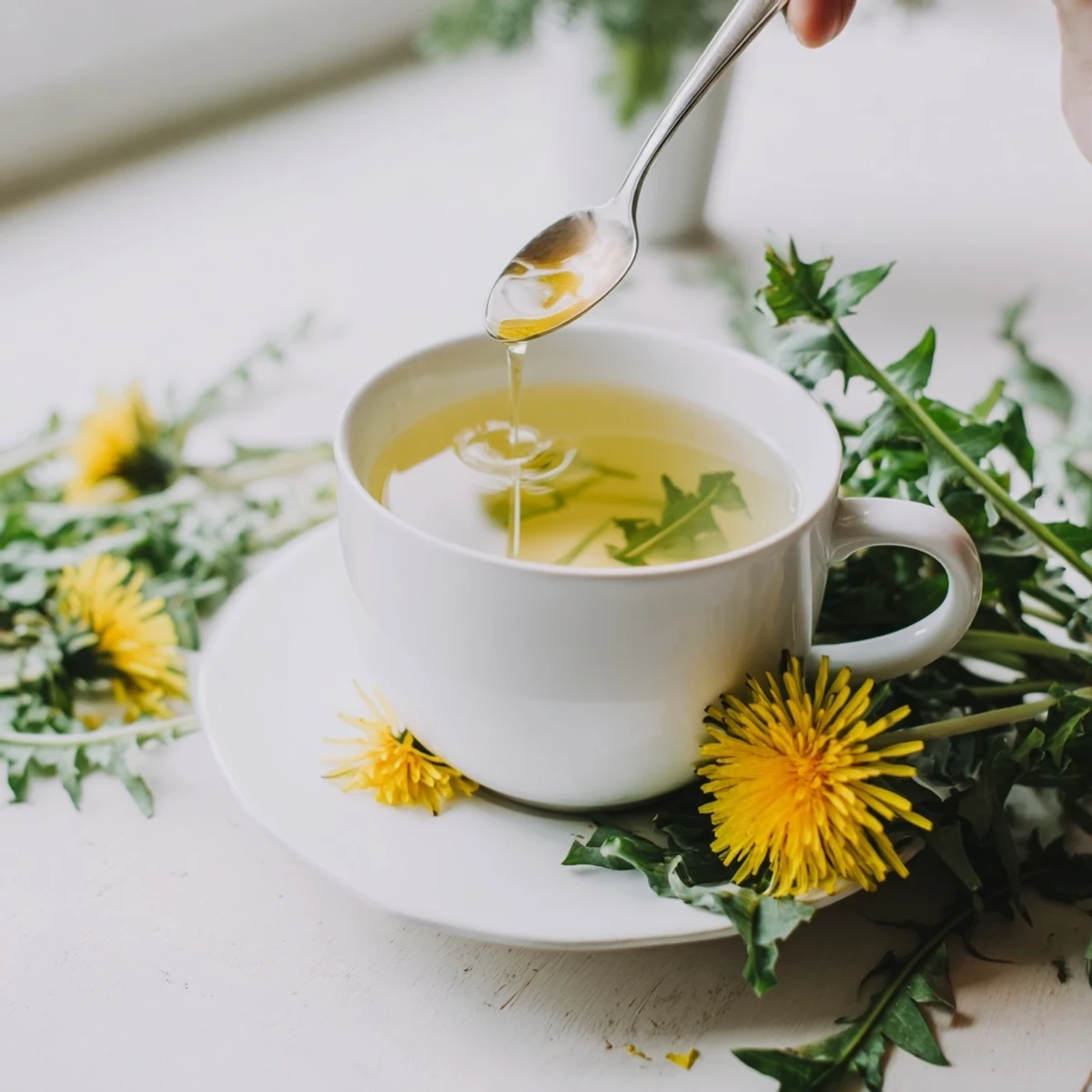
 This earthy herbal infusion combines fresh or dried dandelion petals and leaves with hot water to create a naturally caffeine-free beverage. The straightforward preparation involves steeping the thoroughly washed greens for 8–10 minutes, resulting in a light golden brew. Optional honey or lemon can enhance the flavor profile. Harvest dandelions from pesticide-free areas and consider using both leaves and petals for a nuanced taste. The tea can also incorporate roasted roots for a deeper, coffee-like experience.
The first time I saw someone carefully plucking dandelions from their yard with genuine excitement, I thought they'd lost their mind. My grandmother just laughed and started her water boiling, explaining how these so-called weeds had sustained generations through spring fatigue. That afternoon changed everything I thought I knew about foraging, and now I spot golden dandelion patches everywhere I go.
Last spring, my skeptical neighbor watched me harvest dandelions from our shared green space. Two weeks and several tea sessions later, she texted me asking if I wanted to go foraging together. Theres something magical about introducing someone to the idea that the best things in life really are free and growing under our feet.
Ingredients
- 2 cups fresh dandelion petals and leaves: The bright yellow petals add floral sweetness while the young greens bring that characteristic earthy bitterness, and harvesting them yourself makes every sip taste like victory
- 2 cups filtered water: Clean water matters since youre working with such delicate flavors, and filtered ensures nothing interferes with the dandelions natural taste
- 1 teaspoon honey or maple syrup: A little sweetness rounds out the bitterness beautifully, though Ive grown to love it straight after developing a taste for bitters
- 1 slice lemon: The citrus brightness lifts the earthy notes and adds a lovely aroma that makes the whole experience feel more like a ritual than just tea
Instructions
- Clean your harvest thoroughly:
- Rinse those dandelion petals and leaves under cold running water, gently swishing them around to dislodge any dirt or tiny passengers that might have hitched a ride
- Heat your water:
- Bring the filtered water to a gentle boil in your small saucepan, watching the bubbles form like youre about to create something medicinal
- Combine and steep:
- Place your cleaned dandelion parts in a teapot or heatproof container, pour the hot water over them, and cover immediately to trap all those beneficial compounds
- Let it work its magic:
- Let everything steep for 8 to 10 minutes, giving it enough time to transform from hot water into something golden and slightly medicinal
- Strain and customize:
- Pour the tea through a fine mesh strainer into your favorite cups, then add honey or lemon if you please, though the purist in me sometimes skips both
 Save to Pinterest
 My friend Sarah started calling this her spring reset button, claiming it cleared her skin and settled her digestion after a long winter of heavy comfort food. Whether its the detoxification properties or just the ritual of slowing down to sip something earthy and warm, it genuinely feels like medicine in the best way.
Finding The Best Dandelions
The youngest leaves from the center of the plant offer the mildest flavor, while flowers bring sweetness and older greens pack more bitterness. I've learned to harvest from diverse spots to create a balanced cup that doesnt require sweeteners. Morning harvesting after dew has dried gives the most potent flavor.
Storing Your Harvest
Fresh dandelions wilt quickly, so use them within a day or two of harvesting, or spread them on a baking sheet to dry for future tea sessions. Dried dandelions keep for months in a glass jar, meaning you can enjoy this earthy tea even when winter has buried every yellow flower under snow.
Variations To Try
Roasted dandelion root tea creates a completely different experience, with deep coffee-like notes that pair surprisingly well with a splash of milk. Adding fresh mint leaves during steeping makes the whole thing feel more refreshing and less medicinal. For a true herbal experience, combine dandelion with nettle or chamomile.
- Try cold brewing it overnight for a smoother, less bitter taste
- A pinch of ginger adds warmth and helps with any digestive upset
- Double the strength and pour over ice for a surprisingly refreshing summer drink
 Save to Pinterest
 Theres something deeply satisfying about turning a nuisance weed into something nourishing and intentional. Every cup feels like a small act of rebellion against a world that values convenience over connection.
Questions & Answers
- → What does dandelion tea taste like?
-
Dandelion tea has a light, earthy flavor profile similar to mild greens. The petals impart subtle floral notes while the leaves contribute a slightly bitter, vegetal taste. The overall impression is gentle and refreshing rather than overpowering.
- → Can I use store-bought dried dandelion?
-
Yes, dried dandelion works beautifully for this infusion. Use approximately 2 tablespoons of dried petals or leaves as a substitute for the fresh version. The flavor concentration remains consistent, though the brewing time may vary slightly.
- → How often can I drink this herbal tea?
-
This caffeine-free infusion can be enjoyed daily as part of a balanced wellness routine. Start with one cup to assess how your body responds, then adjust frequency based on personal preference and digestive comfort.
- → What are the benefits of steeping covered?
-
Covering during steeping preserves the volatile oils and beneficial compounds that might otherwise evaporate. This simple step ensures maximum potency and helps maintain the tea's temperature for optimal extraction throughout the 8–10 minute infusion period.
- → Can I prepare this in advance?
-
The concentrated infusion can be brewed ahead and stored in the refrigerator for up to 2 days. Reheat gently or enjoy it chilled over ice. Avoid leaving at room temperature for extended periods to maintain freshness and quality.
- → Are there any precautions when harvesting wild dandelions?
-
Always harvest from areas confirmed free of pesticides, herbicides, and road pollution. Choose locations away from busy streets and chemically treated lawns. Properly identify the plant to avoid confusion with similar-looking species.