
 Save to Pinterest
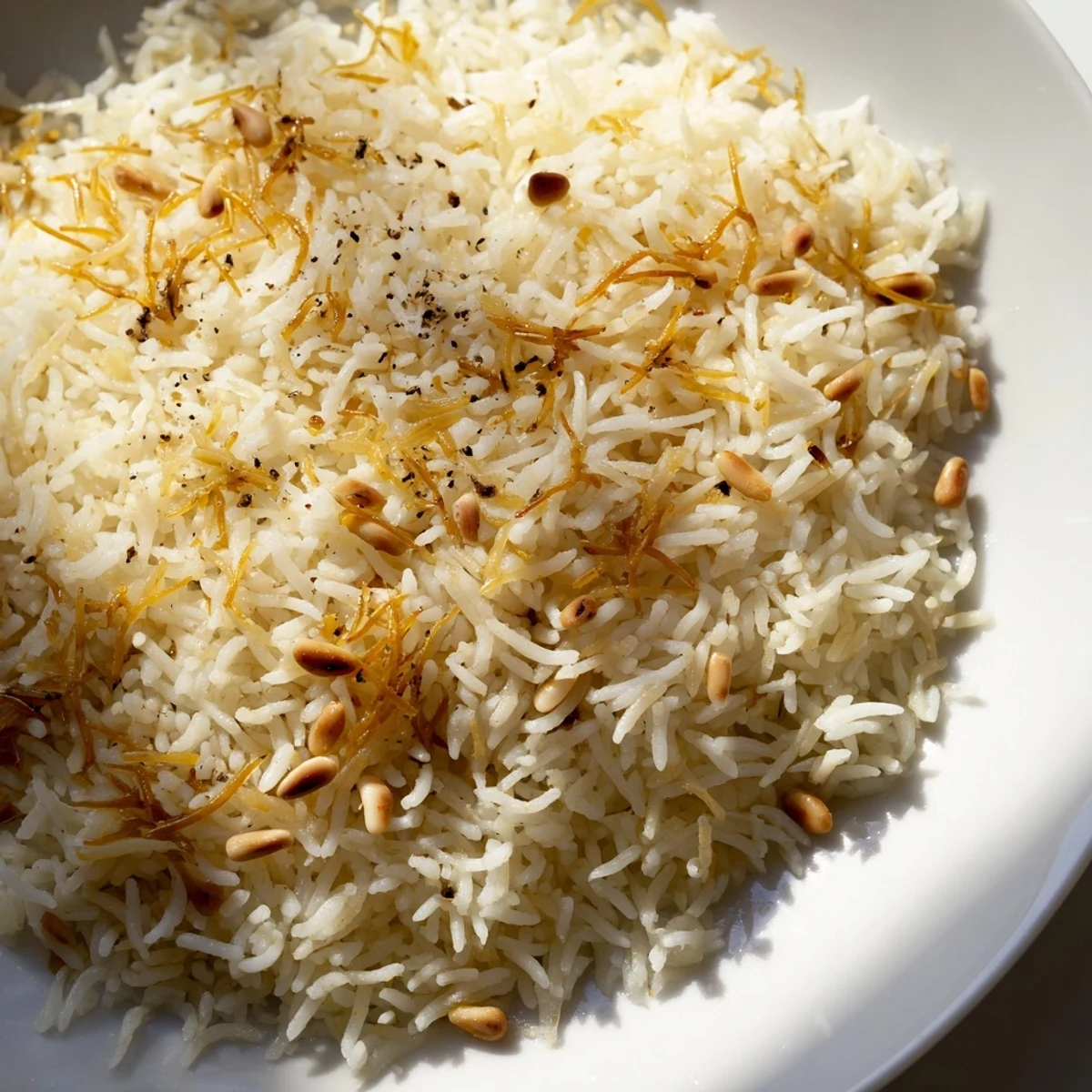
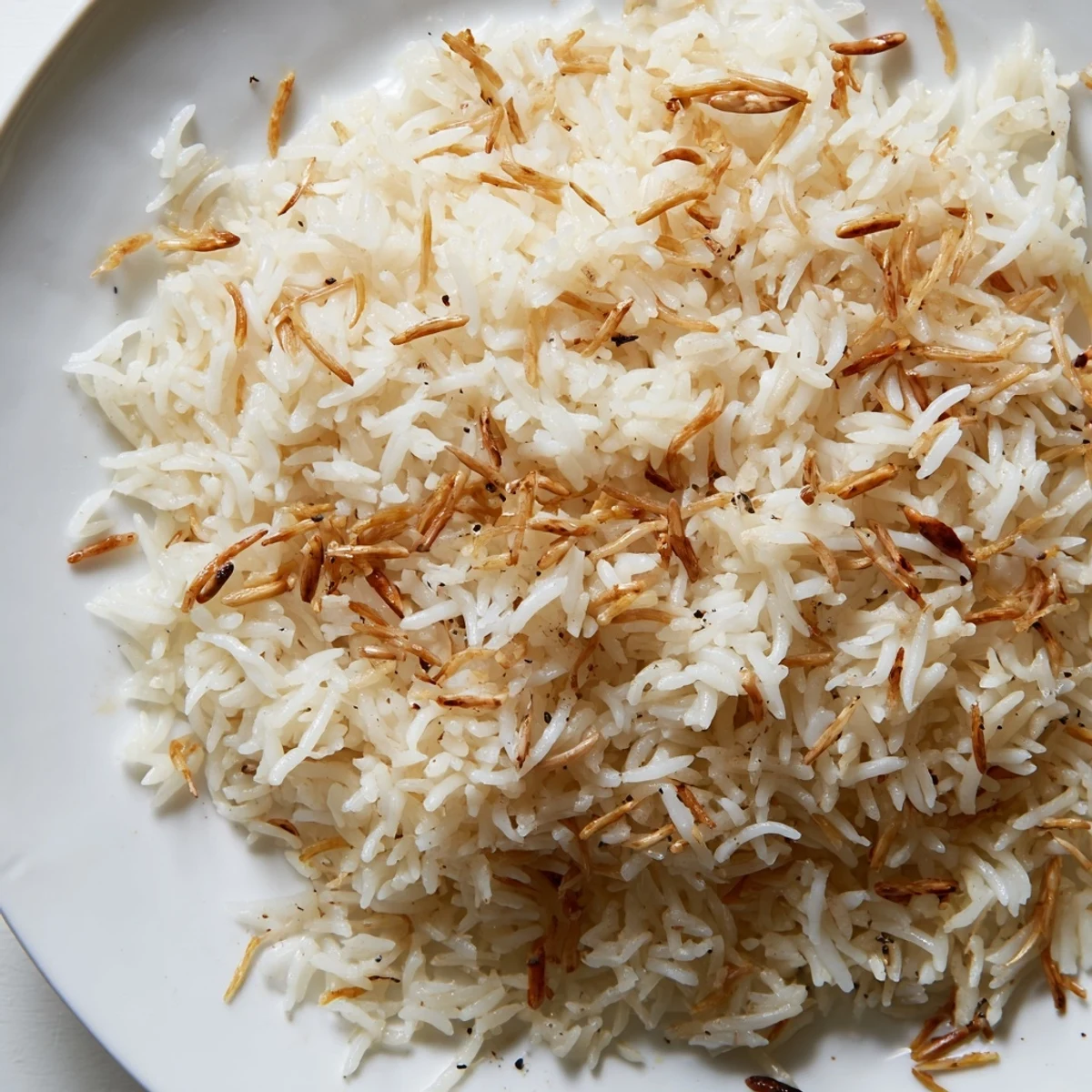
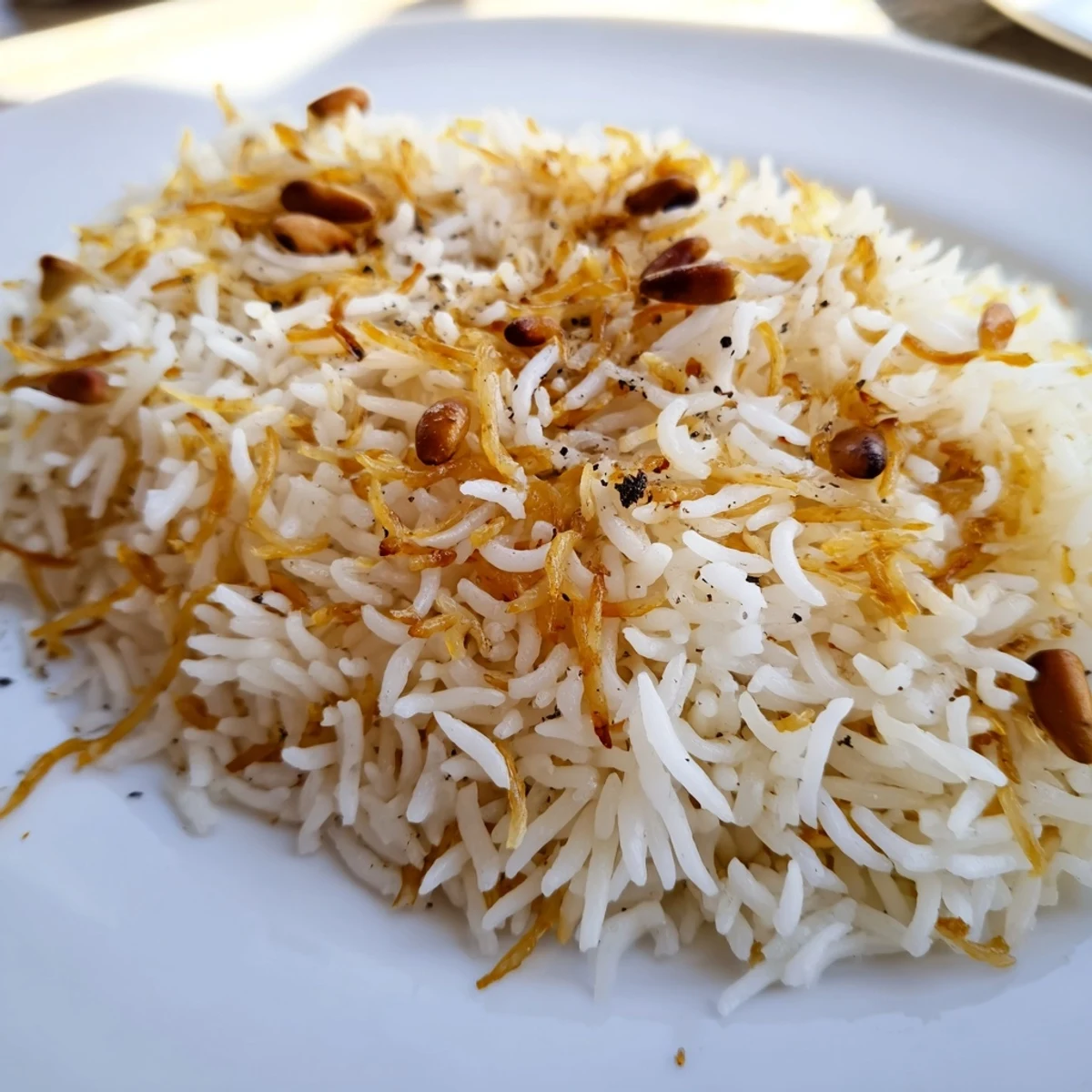
 Lebanese rice is a fragrant, fluffy side dish made by toasting vermicelli noodles in butter or olive oil until deep golden brown, then simmering with long-grain white rice until perfectly tender.
The key to achieving the signature light and separated grains lies in rinsing the rice thoroughly before cooking and allowing it to rest, covered, off the heat for five minutes before fluffing with a fork.
Finished with a garnish of sautéed pine nuts, this versatile dish comes together in just 25 minutes and pairs beautifully with grilled meats, hearty stews, or roasted vegetables.
The sound of vermicelli browning in butter is one of those small kitchen rituals that makes everything feel right, a gentle crackle and pop that promises something golden and wonderful is about to happen.
My friend Rania once made this for a casual Tuesday dinner and I spent the entire meal ignoring the main dish, going back for spoonful after spoonful of the rice alone.
Ingredients
- 1 cup long grain white rice (basmati or jasmine), rinsed: Rinsing is nonnegotiable here because it removes surface starch and gives you those separate, fluffy grains instead of a gummy mess.
- 1/3 cup vermicelli noodles, broken into 1 inch pieces: These little golden threads are what make Lebanese rice unmistakable, adding toastiness and a slight chew that plain rice can never achieve.
- 2 tablespoons unsalted butter or olive oil: Butter gives richness while olive oil keeps it vegan and dairy free, and both work beautifully so choose based on your mood.
- 2 cups water or low sodium vegetable broth: Broth adds another layer of flavor, but even plain water lets the toasted vermicelli shine through.
- 2 tablespoons pine nuts (optional, for garnish): When you toast these slowly in the pan before anything else, they become buttery and crisp, turning a simple side into something worthy of a dinner party.
- 1 teaspoon salt and 1/4 teaspoon black pepper: Seasoning might seem basic but getting this right means the difference between bland and balanced.
Instructions
- Wash the rice clean:
- Run cold water over the rice in a fine mesh strainer, swirling it with your fingers, until the water turns from cloudy to nearly clear, then let it drain completely.
- Toast the pine nuts:
- Melt the butter or heat the olive oil in a medium saucepan over medium heat, add the pine nuts if you are using them, and stir constantly for about one to two minutes until they turn a warm golden color, then immediately scoop them onto a plate.
- Brown the vermicelli:
- Add the broken vermicelli pieces to the same pan and stir without stopping for three to four minutes, watching like a hawk because the line between perfectly toasted and burnt happens in seconds.
- Coat the rice:
- Add the drained rice to the toasted vermicelli and stir gently for about a minute so every grain gets a thin coating of fat, which helps keep them separate during cooking.
- Add liquid and season:
- Pour in the water or broth, add the salt and pepper, and bring everything to a gentle boil, giving it one final stir before the magic happens.
- Steam undisturbed:
- Reduce the heat to the lowest setting, clamp on the lid tightly, and walk away for exactly fifteen minutes, resisting every urge to peek because lifting the lid lets precious steam escape.
- Rest and fluff:
- Take the pot off the heat but keep the lid on for five more minutes, then uncover and fluff gently with a fork, folding rather than stirring to keep the grains intact.
- Finish with pine nuts:
- Spoon the rice into a serving dish and scatter those reserved toasted pine nuts over the top, watching them settle into the fluffy grains like tiny jewels.
 Save to Pinterest
 There is something deeply satisfying about lifting the lid after that rest period and seeing a pot full of perfectly separate, golden flecked grains waiting to be fluffed.
Making It Your Own
You can fold in chopped fresh parsley right before serving for a pop of green, or add a pinch of cinnamon to the cooking liquid for a warmer, more aromatic variation that pairs beautifully with lamb stews.
Leftovers Worth Saving
Any leftover rice stiffens in the fridge overnight, which actually makes it ideal for a quick fried rice the next day with a scrambled egg, some garlic, and a splash of soy sauce for an unexpected but delicious fusion.
Serving Suggestions
This rice belongs next to anything saucy or grilled because it soaks up flavors beautifully while holding its own texture, making it one of the most versatile sides in my rotation.
- Pair it with slow cooked chickpea stew for a comforting vegetarian meal that feels complete.
- Serve it alongside lemon herb grilled chicken and watch how the nutty vermicelli complements the bright citrus.
- Always fluff with a fork, never a spoon, because a spoon presses the grains together and undoes all your careful toasting work.
 Save to Pinterest
 Keep this recipe close because once you master it, you will find yourself reaching for it on busy weeknights, lazy weekends, and every dinner party in between.
Questions & Answers
- → What type of rice works best for Lebanese rice?
-
Long-grain white rice such as basmati or jasmine yields the best results. These varieties produce light, separated grains that stay fluffy rather than clumping together. Always rinse the rice under cold water until it runs clear to remove excess surface starch.
- → Can I make Lebanese rice without vermicelli noodles?
-
While vermicelli is a defining ingredient in traditional Lebanese rice, you can omit it for a simpler buttered rice preparation. However, the toasted pasta adds a signature nutty flavor and golden color that defines the dish, so it is highly recommended to include it.
- → How do I prevent the vermicelli from burning?
-
Stir the vermicelli constantly while toasting and keep the heat at medium. The noodles should turn a deep golden brown in about 3 to 4 minutes. Remove the pan from heat immediately once they reach the right color, as they can go from golden to burnt very quickly.
- → Is Lebanese rice vegan-friendly?
-
Yes, simply substitute olive oil for the butter. The olive oil version is equally traditional and produces excellent results with a slightly richer, fruitier flavor profile that many Lebanese cooks actually prefer.
- → Can I prepare Lebanese rice in advance?
-
Lebanese rice reheats very well, making it ideal for advance preparation. Store it in an airtight container in the refrigerator for up to three days. Reheat gently in the microwave or on the stovetop with a splash of water. Leftovers also work wonderfully in fried rice preparations.
- → What should I serve with Lebanese rice?
-
This versatile side pairs well with grilled lamb or chicken, slow-simmered stews, roasted vegetables, or fish dishes. It is a staple accompaniment at Lebanese and broader Middle Eastern tables and complements nearly any main course with its buttery, nutty flavor.