
 Save to Pinterest
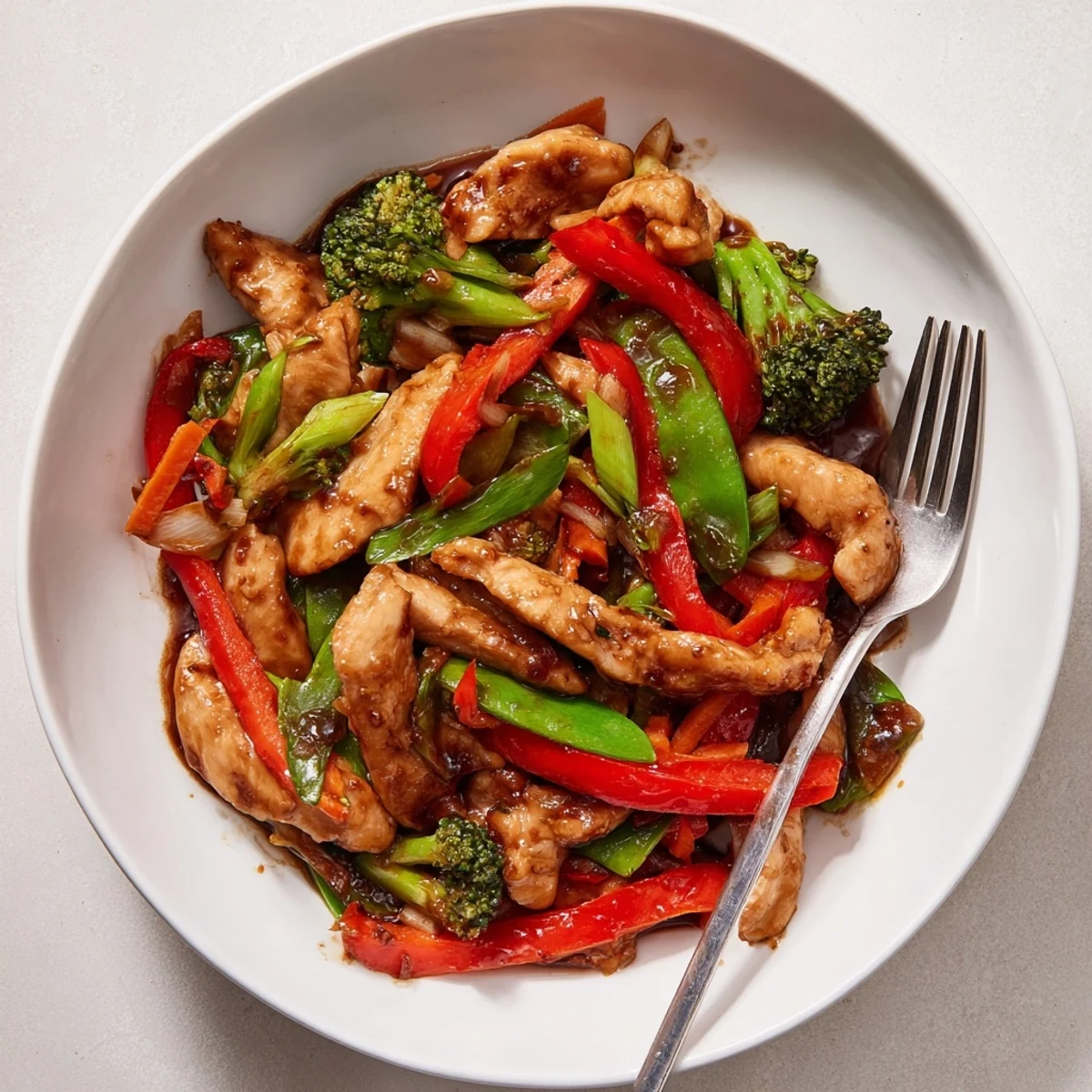
 Hunan chicken is a fiery, flavor-packed Chinese stir-fry that comes together in just 35 minutes. Thinly sliced chicken breast is marinated in soy sauce and Shaoxing wine, then wok-fried until golden and juicy.
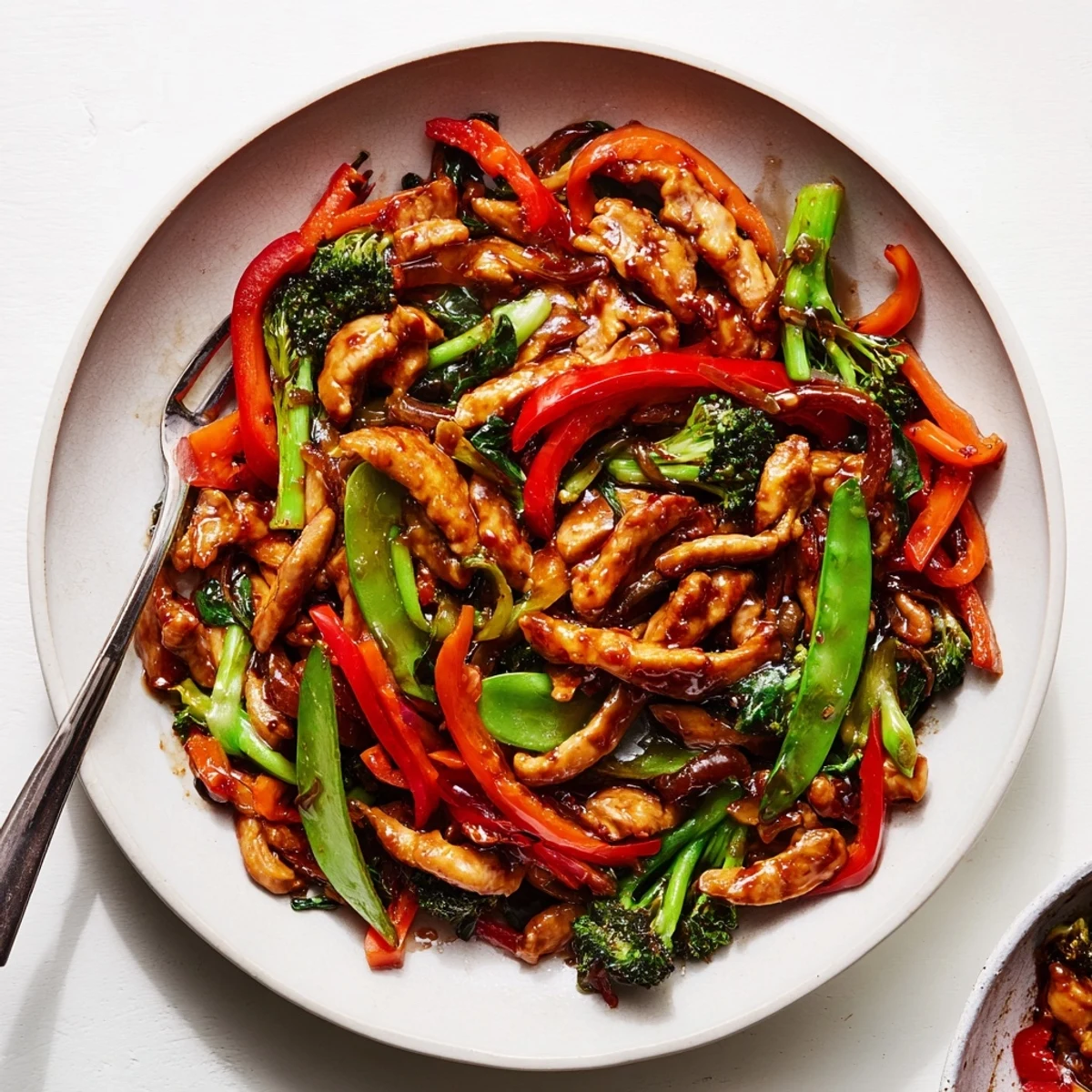
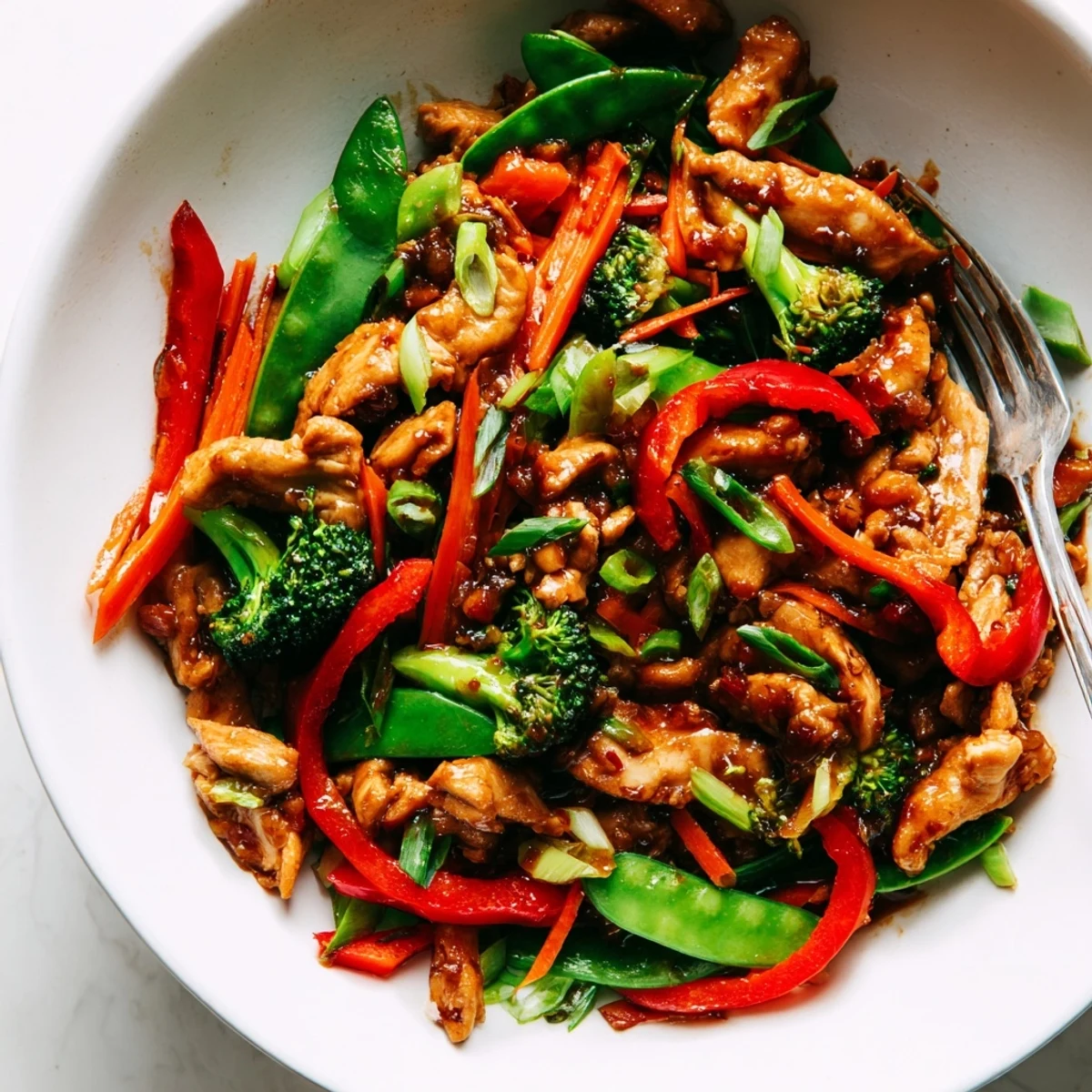
The dish features a vibrant mix of bell peppers, broccoli, snow peas, and carrots, all coated in a bold sauce built from chili paste, garlic, ginger, oyster sauce, and rice vinegar. A quick cornstarch slurry gives the sauce that signature glossy cling.
Serve it piping hot over steamed jasmine rice for a satisfying meal that hits every note — spicy, savory, and slightly tangy. Medium heat level makes it approachable, but chili lovers can easily crank up the intensity.
The sizzle of chicken hitting a smoking wok is one of those sounds that instantly transports me back to a tiny restaurant in Changsha, where the air was thick with chili and garlic and nobody cared about personal space. I burned my tongue on the first bite and ordered seconds anyway. That aggressive, unapologetic heat is what Hunan cooking is all about, and recreating it at home became a minor obsession of mine for months afterward.
My roommate walked in one Tuesday night while I was testing this recipe for the third time, stood in the kitchen doorway, and said it smelled like I was hiding a restaurant in our apartment. We ate standing over the counter with bowls of rice, barely speaking between bites.
Ingredients
- 500 g boneless skinless chicken breast thinly sliced: Slice against the grain on a slight bias for the most tender pieces, and partially freeze the chicken for twenty minutes beforehand to make clean cutting effortless.
- 1 tbsp soy sauce plus 1 tbsp Shaoxing wine plus 1 tsp cornstarch for marinade: This quick marinade is the difference between restaurant quality velvet chicken and rubbery disappointment, so never skip it.
- 1 red bell pepper plus 1 green bell pepper sliced: The color combination is not just for looks, the slight sweetness balances the fierce chili heat.
- 100 g broccoli florets plus 100 g snow peas plus 1 carrot sliced thinly: Cut everything to similar sizes so nothing overcooks while waiting for thicker pieces to catch up.
- 2 cloves garlic minced plus 1 tsp ginger minced plus 2 spring onions chopped: Fresh is nonnegotiable here, jars of preminced garlic will flatten the flavor instantly.
- 2 tbsp soy sauce plus 1 tbsp oyster sauce plus 1 tbsp rice vinegar: This trio creates the savory backbone that makes the sauce irresistible.
- 2 tsp chili paste or chili garlic sauce: Start with less if you are sensitive to heat, you can always add more but you cannot take it away.
- 1 tsp sugar plus 2 tbsp chicken stock or water: The sugar rounds out the sharp edges without making anything sweet.
- 1 tsp cornstarch dissolved in 1 tbsp water: This slurry is your thickening agent, stir it right before adding because cornstarch settles fast.
- 2 to 3 tbsp vegetable oil: Use an oil with a high smoke point like peanut or canola, olive oil will burn at wok temperatures.
Instructions
- Marinate the chicken:
- Toss the sliced chicken with soy sauce, Shaoxing wine, and cornstarch in a bowl until every piece is evenly coated, then let it sit for ten minutes while you prep everything else.
- Mix the sauce:
- Combine the soy sauce, oyster sauce, rice vinegar, sugar, chili paste, and chicken stock in a small bowl, stir until the sugar dissolves, and keep the cornstarch slurry separate for now.
- Sear the chicken:
- Heat a tablespoon of oil in your wok over high heat until it just starts to shimmer, then spread the chicken in a single layer and let it sear without stirring for a minute before tossing until cooked through, about three to four minutes total.
- Bloom the aromatics:
- With the chicken set aside, add another tablespoon of oil to the wok and toss in the garlic, ginger, and spring onions, stirring fiercely for about thirty seconds until your kitchen smells absolutely incredible.
- Stir fry the vegetables:
- Add all the prepared vegetables and toss them over high heat for two to three minutes, just until the broccoli turns vivid green and the peppers soften slightly but still have real crunch.
- Bring it all together:
- Return the chicken to the wok, pour in the sauce, and give the cornstarch slurry one final stir before adding it, then toss everything continuously for one to two minutes until the sauce turns glossy and thickly coats every surface.
- Serve immediately:
- Slide everything onto plates over steamed jasmine rice while it is still piping hot and glistening, because this dish waits for no one.
 Save to Pinterest
 That Tuesday night with my roommate turned into a weekly tradition where we would cook something ambitious and eat it hunched over the counter like animals who had just discovered fire.
What to Serve Alongside
Plain steamed jasmine rice is the obvious and correct answer, but I have also served this over crispy noodles on nights when I wanted more texture, and once over cauliflower rice when I was trying to feel virtuous about my choices. A quick cucumber salad with rice vinegar and sesame oil on the side cuts through the richness beautifully and adds a cool contrast to all that chili heat.
Making It Your Own
Swap the chicken for firm tofu pressed dry and cubed, and you have a genuinely excellent vegetarian version that loses nothing in flavor. Sliced pork tenderloin works beautifully too, and actually takes the marinade even better than chicken does. Throwing in a handful of whole dried red chilies with the aromatics is the move if you want to push the heat closer to what you would actually get in Hunan province.
Storage and Leftovers
The sauce will thicken further as it sits in the fridge, so add a splash of water or stock when you reheat in a pan to loosen it back up.
- Leftovers keep well for up to three days in an airtight container and make an exceptional next day lunch over fresh rice.
- Avoid microwaving if you can, a hot pan restores the crispness on the vegetables far better.
- The dish does not freeze well because the vegetables turn mushy, so plan to finish it within a few days.
 Save to Pinterest
 Some recipes become part of your rotation because they are easy, and some earn their place because they make you close your eyes on the first bite. This one does both.
Questions & Answers
- → What makes Hunan chicken different from Szechuan chicken?
-
Hunan chicken leans on fresh chili paste and garlic for a straightforward, fiery heat, while Szechuan chicken uses Szechuan peppercorns that create a numbing, tingling sensation. Hunan sauce is typically simpler and more tangy, relying on rice vinegar and chili garlic sauce rather than complex spice blends.
- → Can I use chicken thighs instead of breast?
-
Absolutely. Boneless, skinless chicken thighs work beautifully and stay even more tender and juicy during the high-heat stir-fry. Slice them thinly just like you would breast meat, and adjust the cooking time by about one extra minute since thighs take slightly longer to cook through.
- → How do I get the best stir-fry results at home?
-
Use a wok or large skillet and keep the heat as high as possible. Cook the chicken in a single layer without overcrowding — work in batches if needed. Have all ingredients prepped and sauces mixed before you start, because once the wok is hot, everything moves fast. Pat the marinated chicken dry for a better sear.
- → What vegetables work well as substitutions?
-
Zucchini, snap peas, mushrooms, baby corn, bok choy, and water chestnuts are all excellent choices. Avoid soft vegetables like tomatoes that break down quickly. The key is using vegetables that retain some crunch after a brief toss in the hot wok.
- → Is there a substitute for Shaoxing wine?
-
Dry sherry is the closest substitute and works almost identically. You can also use mirin, though it adds a touch more sweetness. In a pinch, a mix of rice vinegar and a pinch of sugar diluted with water will provide some of the depth that Shaoxing wine brings to the marinade.
- → How should I store and reheat leftovers?
-
Store cooled leftovers in an airtight container in the refrigerator for up to 3 days. Reheat in a skillet or wok over medium-high heat with a splash of water or chicken stock to loosen the sauce. Avoid microwaving if possible, as the vegetables can turn mushy and the chicken may dry out.