
 Save to Pinterest
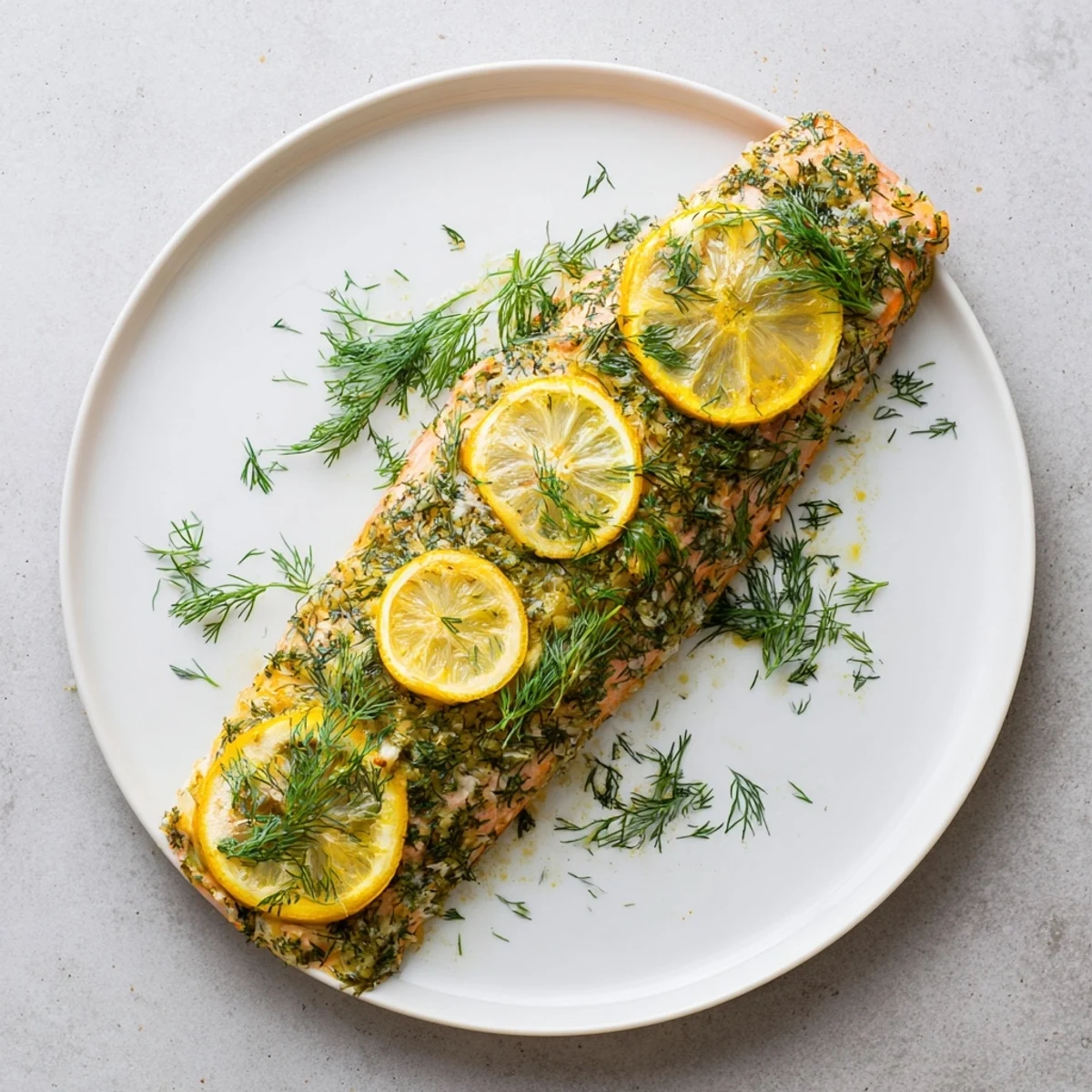
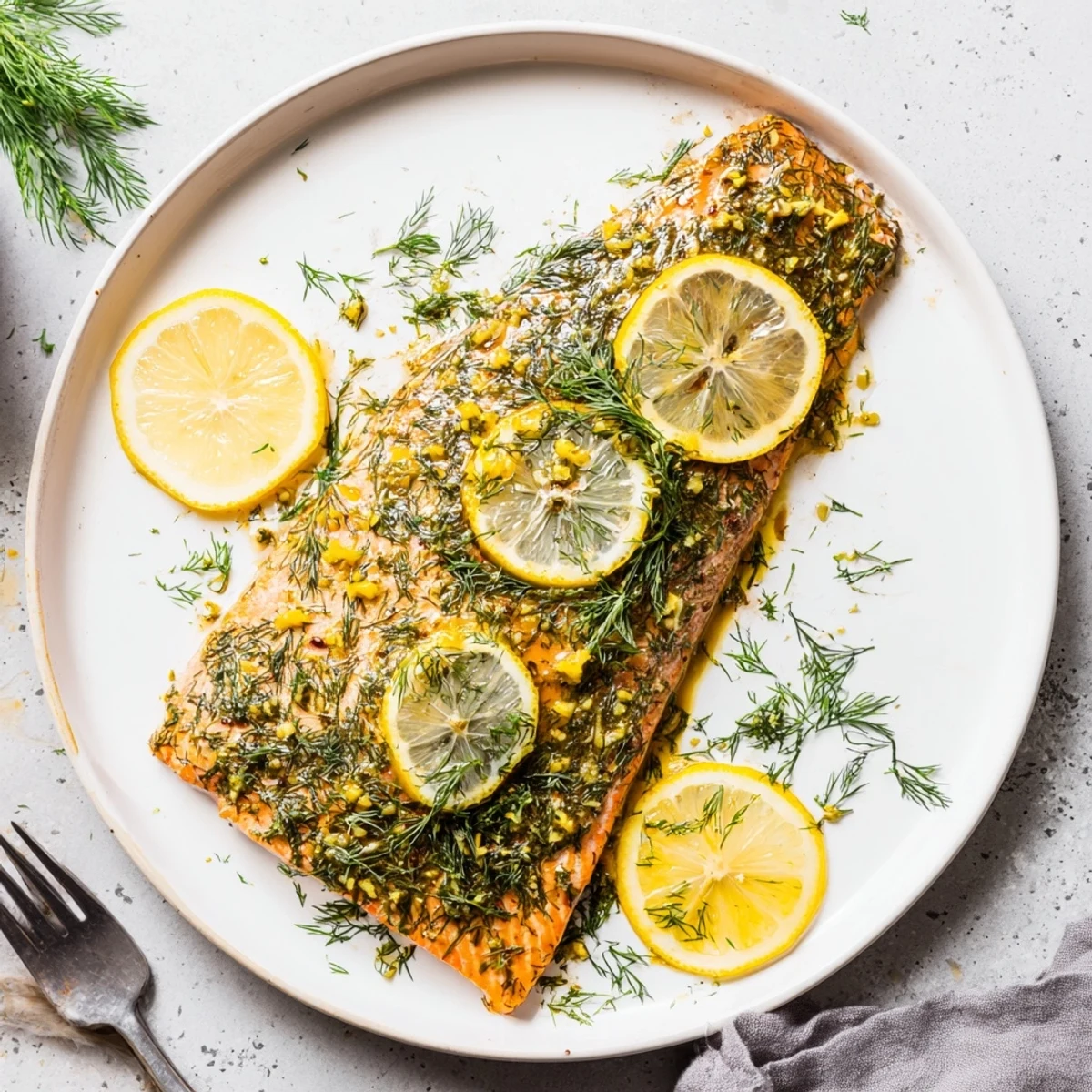
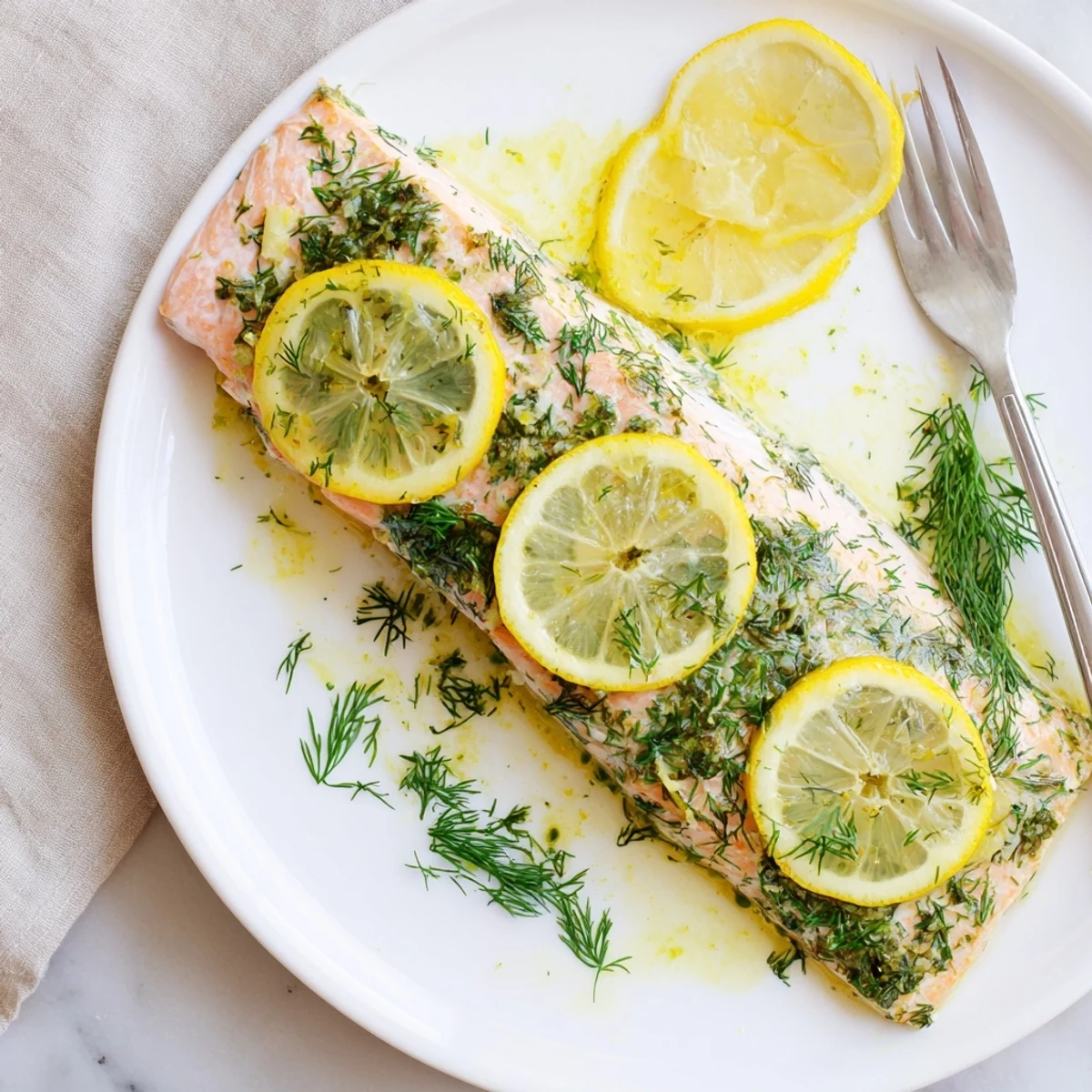
 This oven-baked salmon combines fresh dill and bright lemon for a vibrant, aromatic main dish. The fillets are coated in an herb-infused mixture of olive oil, garlic, lemon zest and juice, then baked to tender perfection in just 18 minutes.
With only 10 minutes of active preparation, this dish delivers restaurant-quality results with minimal effort. The citrus-herb marinade keeps the salmon moist while infusing it with bright, fresh flavors that pair beautifully with steamed vegetables, rice, or a crisp salad.
Each serving provides 34 grams of protein and fits perfectly into pescatarian, gluten-free, and low-carb eating plans. The internal temperature should reach 145°F for perfectly cooked, flaky fish every time.
The scent of fresh dill always transports me back to my first apartment, where I discovered that baking salmon with lemon could turn an ordinary Tuesday into something that felt like a small celebration. I'd bring home those beautiful coral fillets from the market, not entirely sure what I was doing, but somehow the combination of bright citrus and herbaceous dill made everything feel intentional and cared-for.
I started making this for dinner parties when I realized it was the rare dish that looked impressive but required almost zero active cooking time. Guests would walk in while the salmon was baking, that lemon-dill aroma filling the whole space, and suddenly the evening felt special before anyone even took a bite.
Ingredients
- Salmon fillets: I've learned that 6 oz portions are perfect for satisfying appetites without overwhelming the plate, and skin-on helps keep the fish incredibly moist during baking
- Fresh dill: This isnt optional in my book, the bright feathery fronds bring an aromatic freshness that dried herbs just cant replicate in this particular dish
- Lemon: Both the zest and juice are essential here, the zest gives concentrated citrus oil while the juice provides that bright acidic balance against rich salmon
- Olive oil: A good quality extra virgin creates this luxurious mouthfeel and helps all those flavors cling to every inch of the fish
- Garlic: Two cloves minced might seem like a lot but it mellows beautifully in the oven and adds that subtle savory depth
- Salt and pepper: Simple seasonings that let the main ingredients shine while enhancing all the natural flavors
Instructions
- Prep your baking space:
- Set your oven to 400°F and line that baking sheet with parchment, which saves you from scrubbing later and helps the salmon cook evenly without sticking
- Prepare the salmon:
- Pat those fillets completely dry with paper towels and arrange them skin-side down, giving them a little space so heat can circulate around each piece
- Mix the magic sauce:
- Whisk together the chopped dill, lemon zest and juice, olive oil, garlic, salt, and pepper until it becomes this fragrant bright green mixture
- Coat the fish:
- Spoon that gorgeous dill mixture generously over each fillet, making sure every surface gets some love and the herbs really cling to the salmon
- Bake to perfection:
- Slide into the oven for about 16 minutes, keeping an eye out for that moment when the fish turns opaque and flakes with just a gentle nudge from your fork
- Finish with flair:
- Let it rest for just a minute then scatter with extra dill and those lemon slices you reserved, watching how the contrast of colors makes the whole dish sing
 Save to Pinterest
 This recipe became my go-to for those nights when someone needed comfort food but something light and nourishing was what actually felt right. There's something about the way the lemon cuts through the richness that just makes people feel taken care of.
Choosing The Best Salmon
After years of buying whatever was on sale, I started really looking at the color and texture of the fish. Wild salmon has that gorgeous deep coral color and leaner flesh, while farmed tends to be more pink and fatty, both work beautifully here but cook wild for a minute or two less since it's leaner.
Making It Your Own
Sometimes I'll add a teaspoon of honey or maple syrup to the dill mixture when I want a hint of sweetness that caramelizes in the oven. Other times, a pinch of red pepper flakes sneaks in there when we're craving something with a little warmth.
Side Dish Magic
This salmon pairs beautifully with so many things, but I've found that simple sides really let it shine. Roasted asparagus with just olive oil and salt, or some wild rice with a pat of butter, or even just a big arugula salad with a simple vinaigrette.
- Roast some asparagus on the same sheet pan for the last 8 minutes of cooking time
- A quick cucumber salad with yogurt makes the perfect cooling side
- Keep some crusty bread nearby to soak up those delicious lemon dill juices
 Save to Pinterest
 There's something deeply satisfying about a recipe that comes together this easily but tastes like you put so much thought into it. That's the kind of cooking magic I'm always chasing in my kitchen.
Questions & Answers
- → What temperature should I bake the salmon at?
-
Bake the salmon at 400°F (200°C) for 15–18 minutes until the fish is just opaque and flakes easily with a fork. The internal temperature should reach 145°F (63°C) for perfectly cooked results.
- → Can I marinate the salmon ahead of time?
-
Yes, you can marinate the salmon in the dill-lemon mixture for up to 30 minutes before baking. This extra time allows the flavors to penetrate deeper into the fish for even more delicious results.
- → What sides pair well with this salmon?
-
This versatile salmon pairs beautifully with steamed vegetables, fluffy rice, roasted potatoes, or a crisp green salad. The bright citrus and herb flavors complement both light and hearty sides equally well.
- → Can I use dried dill instead of fresh?
-
While fresh dill provides the best vibrant flavor, you can substitute dried dill. Use about one-third the amount—roughly 2 teaspoons of dried dill in place of 2 tablespoons fresh.
- → Should I leave the skin on or off?
-
Either way works perfectly. Skin-on helps keep the salmon moist during baking and can be easily removed before serving. Skin-off is ideal if you prefer a more delicate eating experience.
- → How do I know when the salmon is done?
-
The salmon is done when it's just opaque throughout and flakes easily with a fork. An instant-read thermometer should register 145°F (63°C) at the thickest part. Avoid overcooking to keep the fish tender and moist.