
 Save to Pinterest
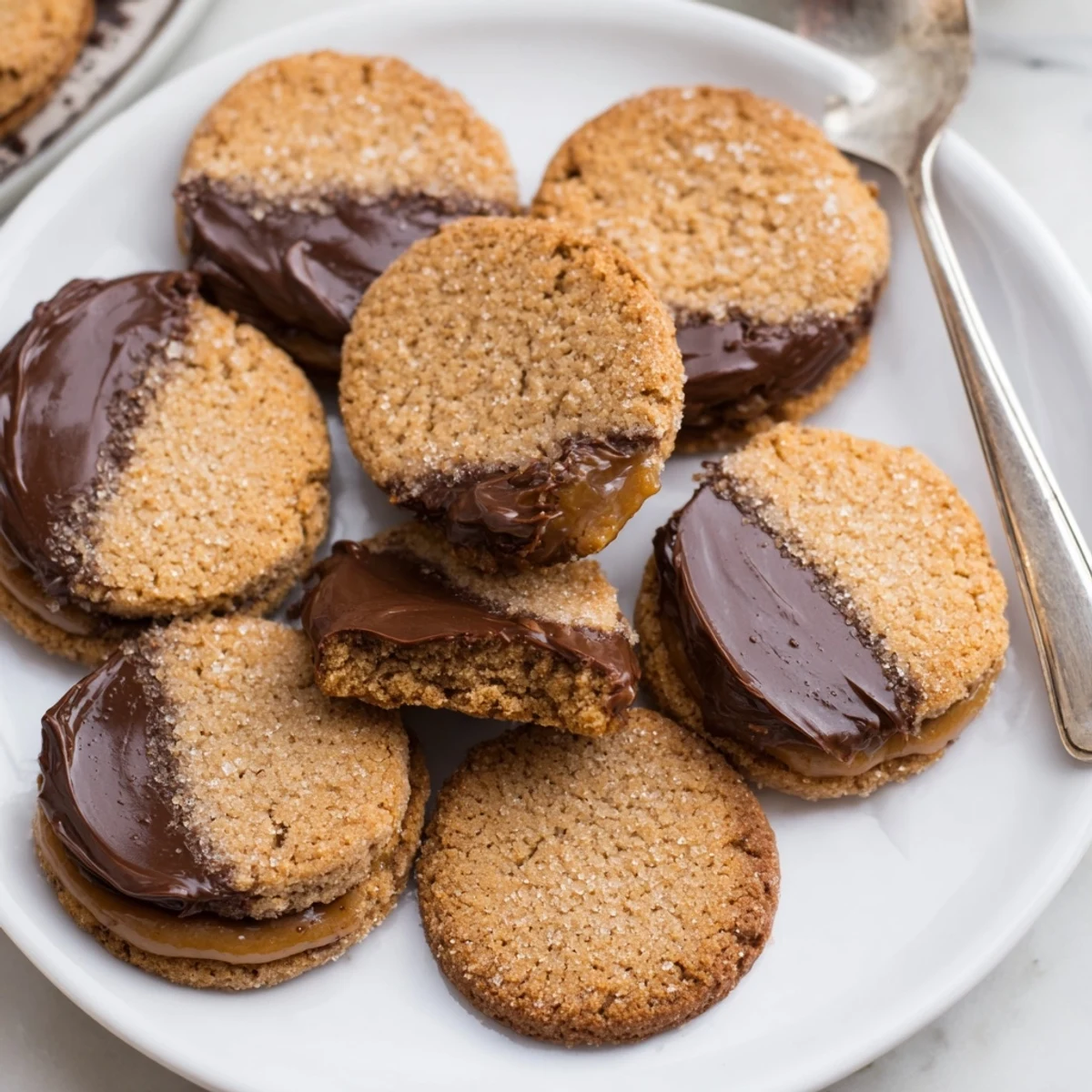
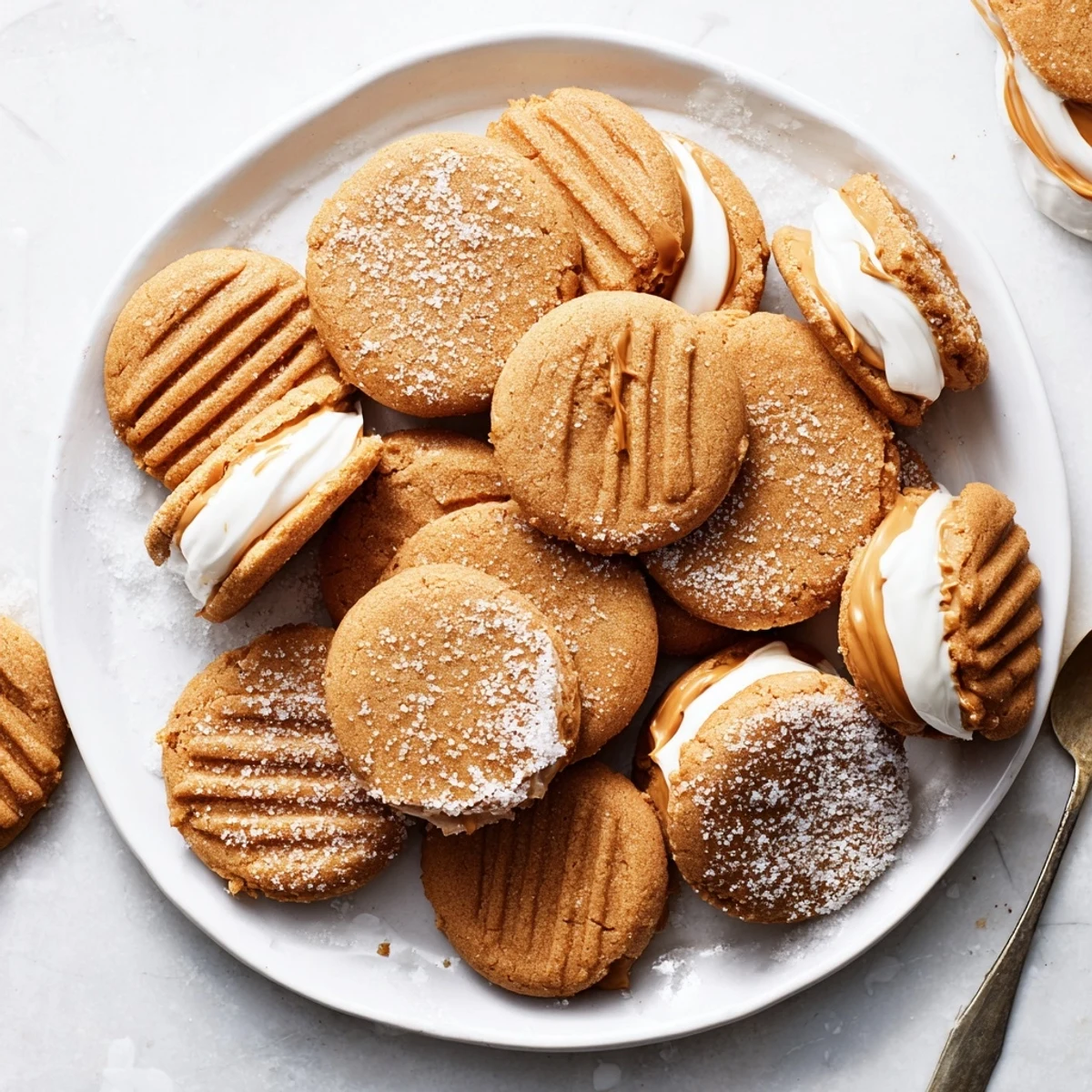
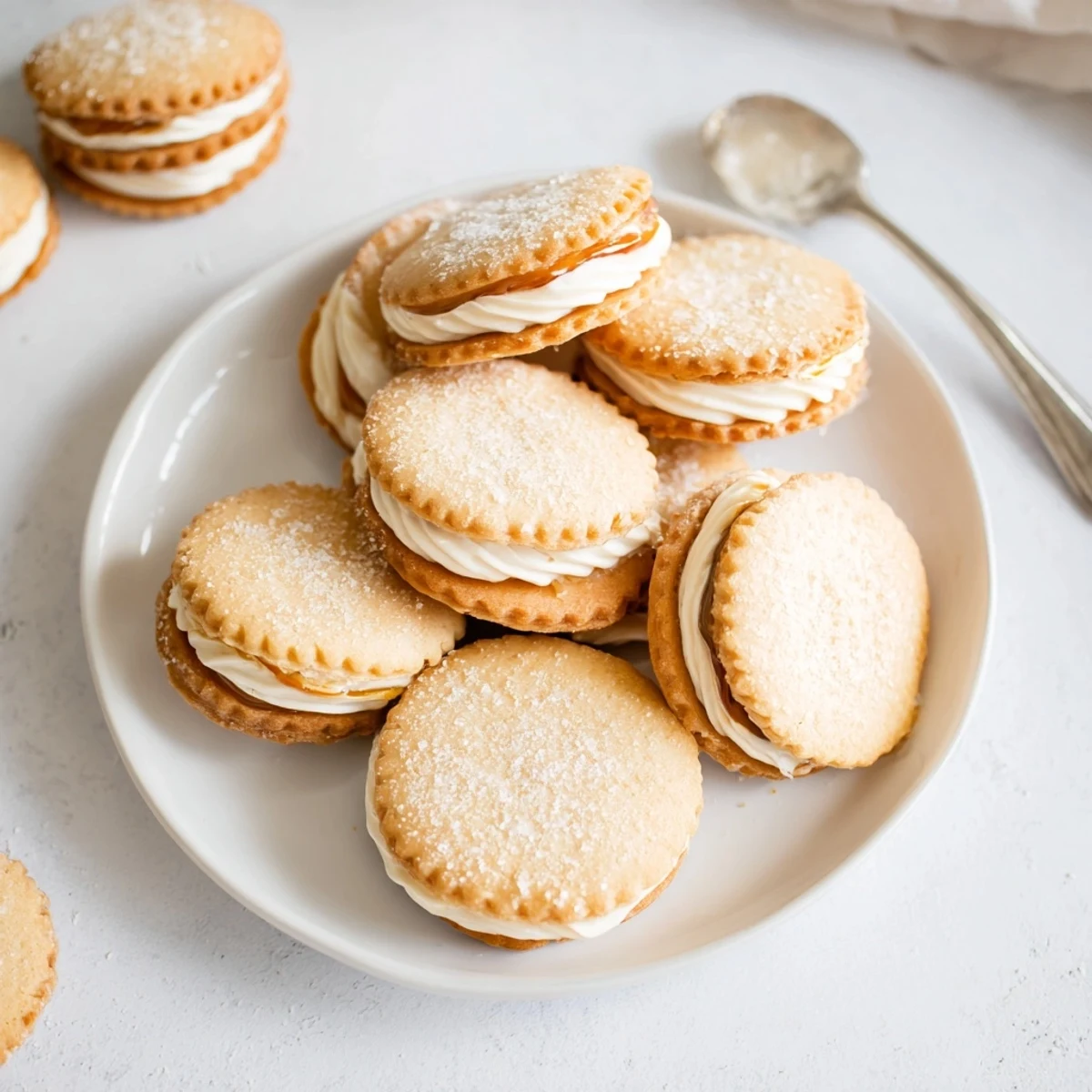
 These elegant treats combine classic buttery shortbread with the signature elements of crème brûlée. Each cookie features a tender, melt-in-your-mouth base topped with vanilla custard and a layer of crisp, caramelized sugar that cracks satisfyingly when you bite into it.
The preparation involves creating a simple shortbread dough, chilling it for easy slicing, then baking until golden. While the cookies cool, you'll prepare a quick stovetop custard to spoon atop each round. The final touch—a sprinkling of sugar torched until golden—creates that distinctive caramelized crunch.
Perfect for elegant entertaining or afternoon tea, these cookies offer the familiar comfort of shortbread elevated by sophisticated flavors and textures. The custard adds richness while the caramelized sugar provides the signature crème brûlée experience in handheld form.
The idea for these cookies hit me during a dinner party where someone served crème brûlée for dessert. I kept thinking about that perfect crackle of caramelized sugar against the silky custard underneath, and wondered if I could capture that same moment in a cookie you could actually pick up and eat with your fingers.
I brought these to my mothers birthday celebration last spring, and they disappeared in minutes. My aunt actually grabbed two before anyone else could reach the platter, which I took as the highest possible compliment coming from someone who takes her desserts very seriously.
Ingredients
- Unsalted butter: Room temperature butter is non negotiable here because it needs to cream properly with the sugar for that melt in your mouth texture
- Powdered sugar: This dissolves more easily than granulated sugar and keeps the shortbread tender without creating too much air
- Vanilla extract: Do not skip this or try to substitute it because the vanilla is what bridges the gap between the buttery cookie and the custard topping
- All purpose flour: Bread flour will make these too tough and cake flour will make them too delicate so stick with regular all purpose
- Salt: Just a quarter teaspoon but it absolutely makes the difference between flat tasting cookies and ones that actually taste like something
- Granulated sugar: You need this for both the custard and the caramelized top so make sure you have enough set aside
- Heavy cream: The higher fat content creates that luxurious custard texture that sets up beautifully on the cookies
- Vanilla bean paste: If you can get your hands on vanilla bean paste the little specks look gorgeous against the pale custard
- Egg yolks: Save the whites for another use because the yolks are what give the custard its rich body and beautiful color
Instructions
- Cream your butter and sugar:
- Beat the butter and powdered sugar together until the mixture is pale and fluffy and you can no longer see any granules of sugar which should take about 3 to 4 minutes with an electric mixer on medium speed.
- Add the vanilla:
- Pour in the vanilla extract and give it another quick mix until everything is evenly combined and the mixture looks smooth and glossy.
- Bring in the flour:
- Sift the flour and salt directly into your butter mixture and mix on low speed just until a dough forms and no dry streaks remain because overworking will make these cookies tough instead of tender.
- Shape and chill:
- Divide the dough in half and shape each piece into a log about two inches in diameter then wrap tightly in plastic and refrigerate for at least 30 minutes because this firm dough is much easier to slice into neat rounds.
- Get ready to bake:
- Preheat your oven to 350°F and line your baking sheets with parchment paper while the dough chills because you will want to work quickly once those logs are sliced.
- Slice the cookies:
- Use a sharp knife to cut each log into half inch thick rounds and place them on the prepared baking sheets leaving about an inch between each one because they will spread just slightly.
- Bake until just golden:
- Bake for 12 to 14 minutes until the edges are barely turning golden and the centers look set then remove from the oven and let them cool completely on the baking sheets.
- Make the custard:
- Whisk together the egg yolks granulated sugar heavy cream and vanilla paste in a small saucepan over medium low heat stirring constantly until the mixture thickens slightly after about 4 or 5 minutes.
- Cool the custard:
- Remove from heat immediately and let the custard cool completely because putting warm custard on the cookies will make them soggy and nobody wants a soggy shortbread cookie.
- Top the cookies:
- Spoon a small amount of the cooled custard onto the center of each cookie and use the back of the spoon to spread it gently but do not go all the way to the edges.
- Create the caramelized top:
- Sprinkle a thin even layer of granulated sugar over the custard on each cookie then use your kitchen torch to caramelize the sugar until it is golden brown and bubbly.
- Let them set:
- Wait about 5 minutes for the caramelized sugar to harden into that signature crackle before serving because that is the whole point of making crème brûlée anything.
 Save to Pinterest
 My neighbor smelled these baking through our shared kitchen wall and knocked on my door with a coffee mug in hand before I had even finished torching the tops. We ended up sitting at my kitchen table eating slightly warm cookies and talking for hours which is exactly the kind of memory food should create.
Getting The Custard Right
The trick to the custard is patience over heat because low and slow gives you that silky restaurant quality texture. I have found that keeping the saucepan on the smallest burner at the lowest possible temperature prevents any scrambling and gives you much more control.
The Torch Makes Magic
A kitchen torch is one of those tools that seemed excessive until I finally bought one and now I cannot imagine making these without it. The torch creates that perfect crackly shell in seconds while broiling tends to melt the custard underneath before the sugar properly caramelizes.
Make Ahead Success
You can bake the shortbread cookies up to two days ahead and store them in an airtight container at room temperature. The custard can also be made a day in advance and kept refrigerated but wait to assemble and torch until right before serving.
- Torch the cookies in front of your guests because that moment when the sugar caramelizes is basically dinner party theater
- If you do not have a kitchen torch you can use your broiler but watch it like a hawk because sugar goes from perfect to burned in seconds
- These cookies actually taste better the next day after the flavors have had time to meld together
 Save to Pinterest
 There is something so satisfying about hearing that first crackle when you bite through the caramelized sugar into the creamy custard and tender cookie beneath. These have become my go to when I need to bring something that looks impressive but actually comes together quite easily.
Questions & Answers
- → Can I make these without a kitchen torch?
-
Yes, you can caramelize the sugar under your oven broiler. Place the topped cookies on a baking sheet and broil for 30-60 seconds, watching closely to prevent burning. The result will be similar though slightly less uniform than torching.
- → How long will these cookies stay fresh?
-
Store in an airtight container in the refrigerator for up to 4 days. The caramelized sugar will gradually soften over time, so for the best crunch, serve within 24 hours of caramelizing. Bring to room temperature before serving.
- → Can I freeze the dough?
-
Absolutely. Wrap the dough logs tightly in plastic and freeze for up to 3 months. Thaw in the refrigerator overnight before slicing and baking. You can also freeze baked, unfilled cookies for up to 2 months.
- → What's the best way to achieve even cookies?
-
Chilling the dough thoroughly is essential—cold dough slices cleanly and maintains shape during baking. Use a sharp knife and wipe it clean between slices. Rotating the baking sheet halfway through ensures even browning.
- → Can I use salted butter instead?
-
You can, but reduce the added salt to just a pinch. Salted butter contains varying amounts of sodium, so starting with less and adjusting to taste is the best approach. Unsalted butter gives you more control over the final flavor balance.
- → What type of sugar works best for caramelizing?
-
Granulated sugar creates the classic smooth, glass-like caramelized layer. Turbinado or raw sugar adds extra crunch and a deeper molasses flavor. Avoid powdered sugar as it contains cornstarch and won't caramelize properly.