
 Save to Pinterest
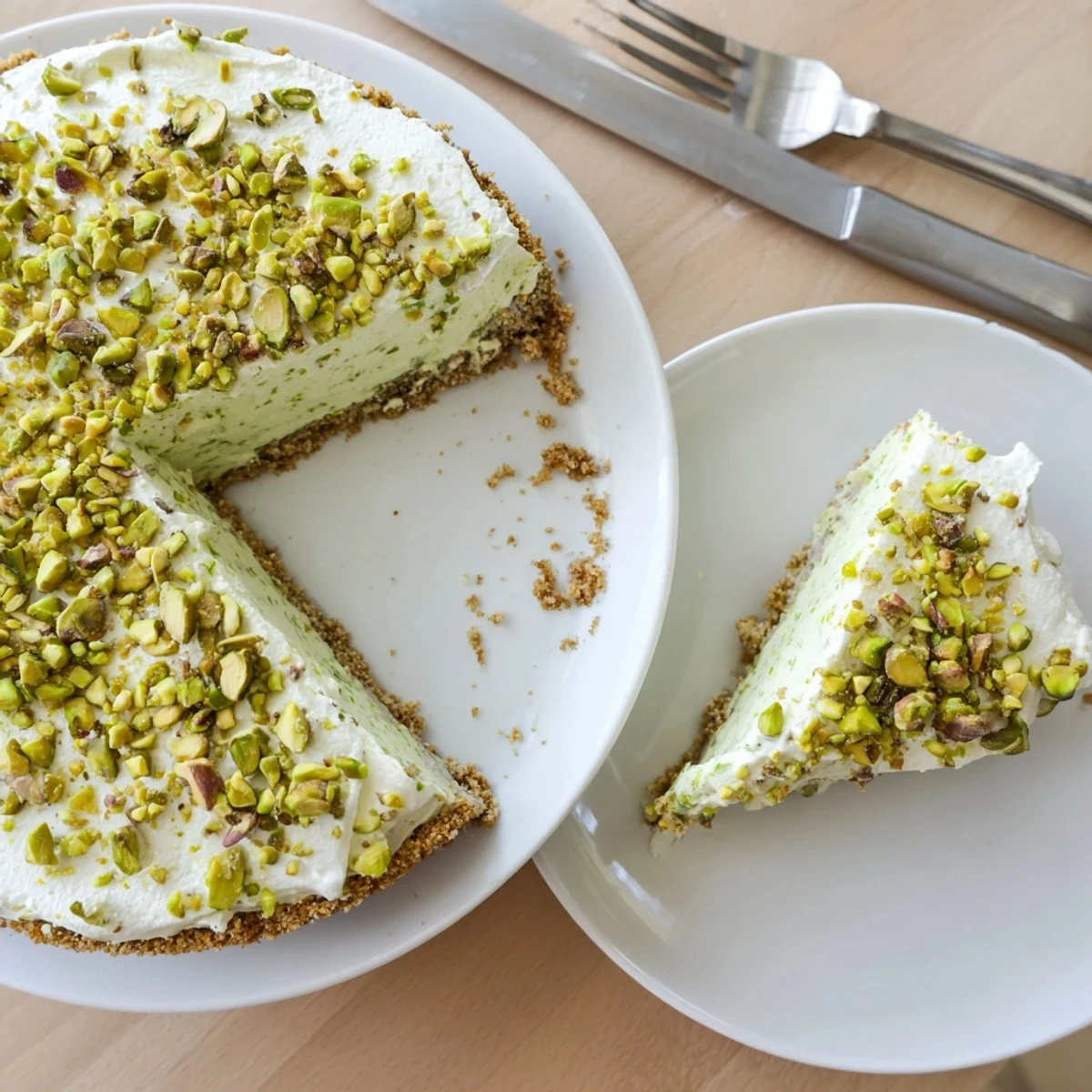
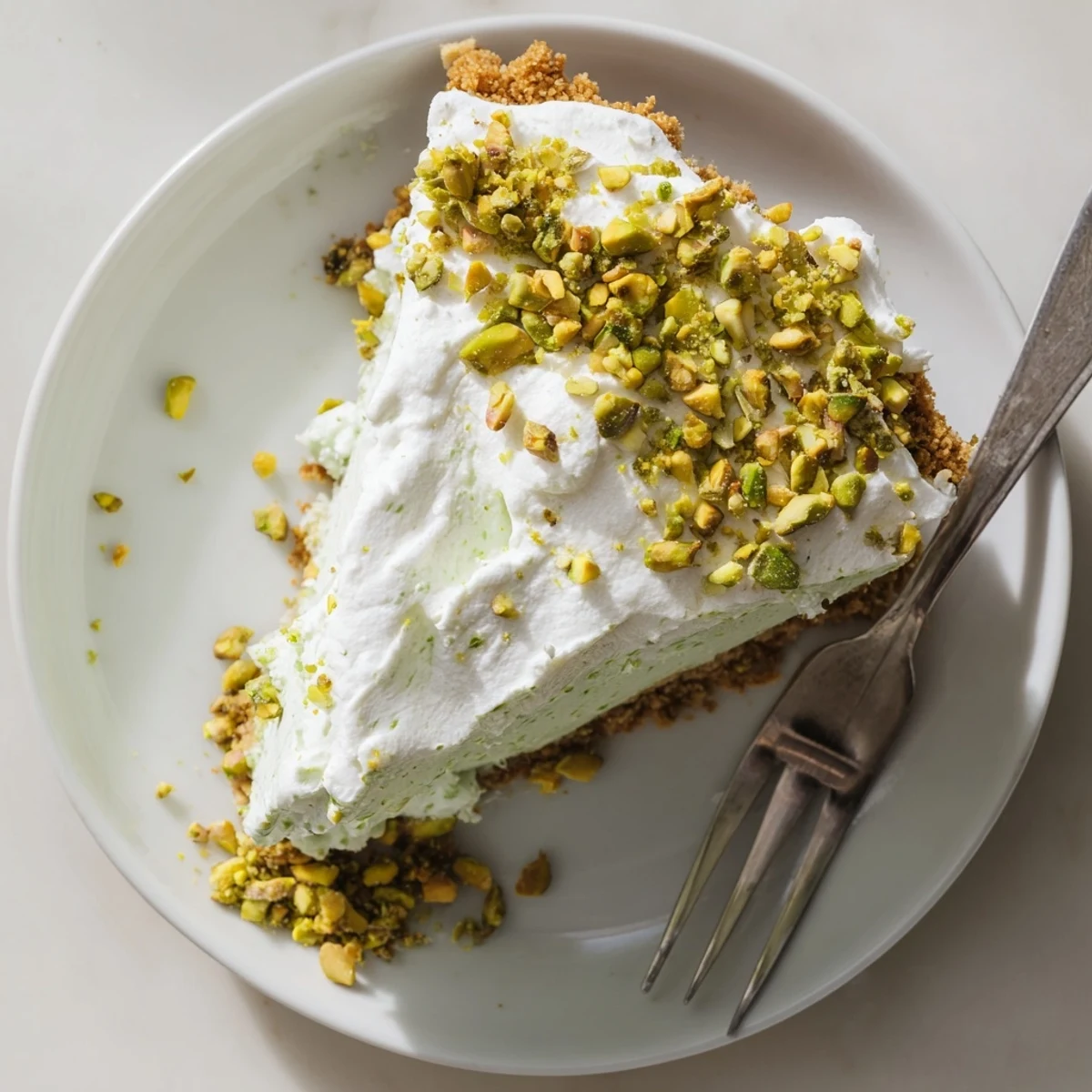
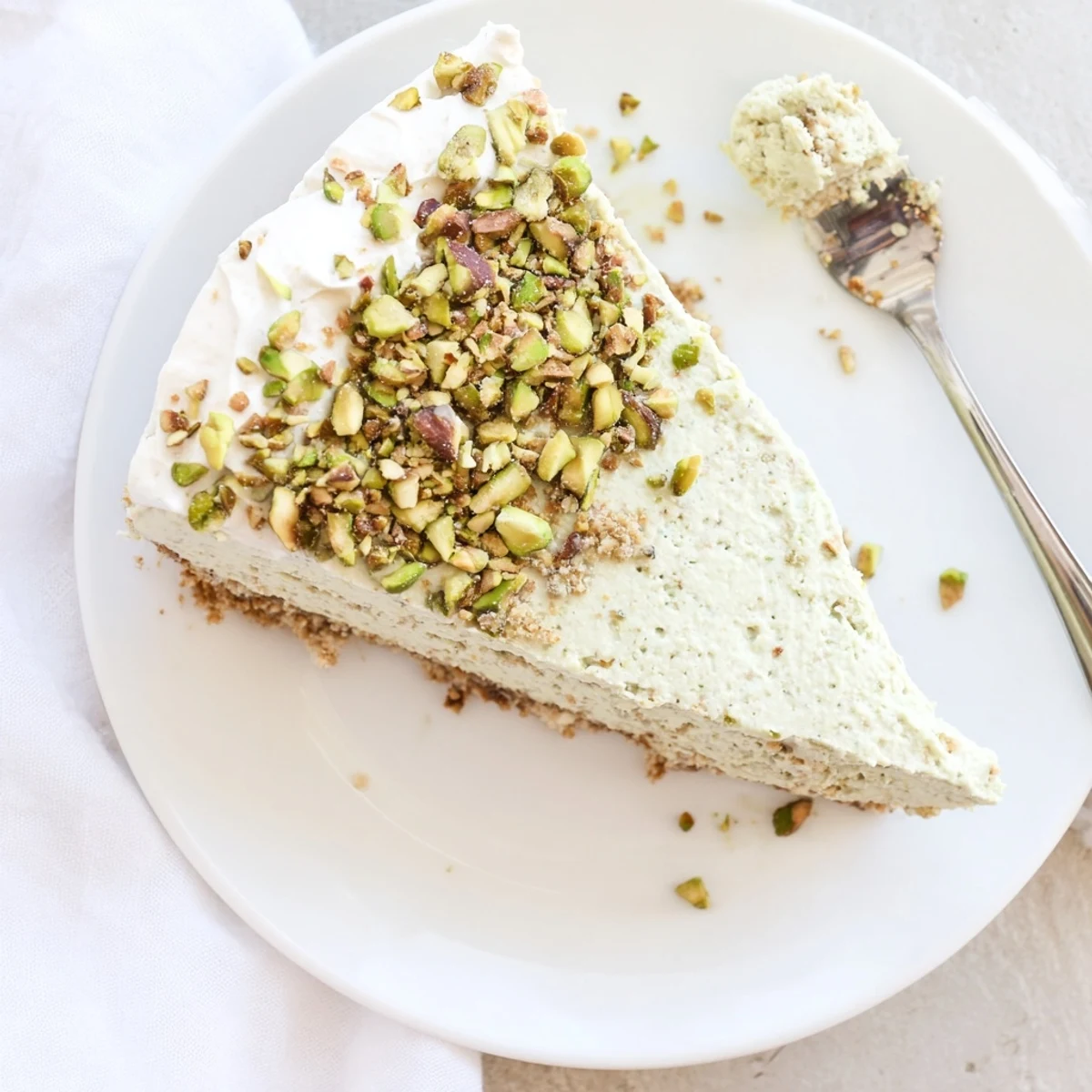
 This luscious pistachio cheesecake combines a crunchy, buttery graham cracker crust with a velvety smooth filling infused with finely ground pistachios. The addition of Greek yogurt creates a lighter texture while the cornstarch ensures stability during baking. After baking, slow cooling in the oven prevents cracking, resulting in a flawless presentation. A final topping of whipped cream and chopped pistachios adds elegant finishing touches.
The first time I made pistachio cheesecake, my kitchen smelled like a baklava factory met a New York deli. I'd been roasting the nuts separately to deepen their flavor, and that warm, toasty aroma filled every corner of the apartment. My roommate kept wandering in, asking if it was done yet. I knew this wasn't going to be just another dessert.
I served this at my mother's birthday dinner last spring. She's usually a chocolate purist, but she took one bite and went quiet for a full minute. When she finally spoke, she said it reminded her of the pistachio gelato we'd shared in Rome years ago. Sometimes food does that, doesn't it? It pulls memories forward you didn't know were still there.
Ingredients
- Graham crackers: The foundation needs structure, and digestive biscuits work beautifully if you want a slightly deeper flavor profile
- Unsalted butter: Room temperature butter blends more evenly, creating that press-together crust that holds up under the heavy filling
- Pistachios: I've learned to buy shelled ones and grind them fresh, the pre-ground stuff lacks that vibrant, nutty punch
- Cream cheese: Absolutely must be room temperature, or you'll be fighting lumps until your arm gives out
- Greek yogurt: This little addition cuts through the richness and adds the most subtle tang that balances everything
- Cornstarch: The secret insurance policy against cracks, learned this after three failed attempts
- Heavy cream: For the topping, whip it to soft peaks rather than stiff, it spreads like a dream and looks professionally done
Instructions
- Build the crust foundation:
- Combine the crushed crackers with melted butter, chopped pistachios, and sugar until everything clumps together when squeezed. Press this mixture firmly into the bottom of your springform pan, using the back of a measuring cup to create an even layer. Bake for 10 minutes until fragrant.
- Prepare the filling base:
- Beat the cream cheese and sugar together until the mixture is completely smooth with no lumps remaining. This takes longer than you think, so be patient. Add the Greek yogurt and vanilla extract, mixing until fully incorporated.
- Add the eggs gently:
- Drop in the eggs one at a time, mixing on low speed just until each disappears into the batter. Overmixing here introduces air bubbles that can cause cracking later. Trust the process.
- Incorporate the pistachios:
- Fold in the ground pistachios and cornstarch by hand, scraping the bottom and sides of the bowl to ensure everything is evenly distributed. The batter will turn a subtle, beautiful green.
- Assemble and bake:
- Pour the filling over your completely cooled crust, giving the pan a gentle tap on the counter to release any trapped air bubbles. Bake for 45 minutes until the edges are set but the center still has that signature wobble.
- The cooling ritual:
- Turn off the oven and crack the door open, letting the cheesecake rest inside for an hour. This gradual cooling prevents the sudden temperature shock that causes cracks. Then chill for at least 4 hours, though overnight is better.
- Add the final touch:
- Whip the heavy cream with powdered sugar until soft peaks form. Spread this generously over the chilled cheesecake and sprinkle with chopped pistachios for that restaurant-worthy finish.
 Save to Pinterest
 This cheesecake has become my go-to for celebrations now. Last Christmas, my father in law took three slices before admitting he'd never liked pistachios before. There's something magical about introducing someone to a flavor they thought they didn't enjoy, only to watch them change their mind completely.
Making It Gluten Free
My sister in law can't do gluten, so I've tested this with gluten-free biscuits and the results were indistinguishable. The texture holds up beautifully, and honestly, most people wouldn't notice the difference if you didn't mention it.
Swapping the Dairy
Once I substituted mascarpone for the Greek yogurt when I couldn't find it at the store. The cheesecake turned out even richer, though slightly heavier. It's a fantastic variation if you want something more decadent for a special occasion.
Pairing Suggestions
A slice of this alongside a strong espresso cuts through the creaminess perfectly. The contrast of bitter coffee and sweet, nutty cheesecake is something I discovered accidentally during a dinner party. Now I can't imagine serving it any other way.
- Try a chilled glass of Moscato if you want something sweet on sweet
- Aged balsamic drizzled over individual plates looks impressive and adds acidity
- Fresh raspberries provide a tart counterpoint and make the presentation pop
 Save to Pinterest
 There's something deeply satisfying about slicing into a homemade cheesecake you've nursed through the baking and chilling process. The first bite always feels like a reward worth waiting for.
Questions & Answers
- → Can I make this cheesecake ahead of time?
-
Absolutely. This cheesecake actually tastes better after chilling overnight. The flavors fully develop during the resting period, making it perfect for preparing a day before your event.
- → How do I know when the cheesecake is done baking?
-
The edges should be set while the center still has a slight jiggle, similar to gelatin. This residual heat completes the cooking process as it cools. Overbaking leads to cracks and dry texture.
- → What's the purpose of cooling the cheesecake in the oven?
-
Gradual cooling prevents rapid temperature changes that cause cracking. Leaving the door slightly ajar allows the cheesecake to come down to room temperature slowly, ensuring a smooth surface.
- → Can I use salted pistachios instead of unsalted?
-
You can, but reduce the added salt in the crust. Salted pistachios will alter the flavor balance, so taste the crust mixture before pressing it into the pan and adjust accordingly.
- → How should I store leftover cheesecake?
-
Wrap individual slices or the entire cheesecake in plastic wrap and refrigerate for up to 5 days. For longer storage, freeze wrapped slices for up to 3 months. Thaw overnight in the refrigerator before serving.
- → Why did my cheesecake crack on top?
-
Cracking usually results from overmixing the eggs, overbaking, or cooling too quickly. Mix eggs just until incorporated, avoid opening the oven door during baking, and follow the slow cooling method in the instructions.