
 Save to Pinterest
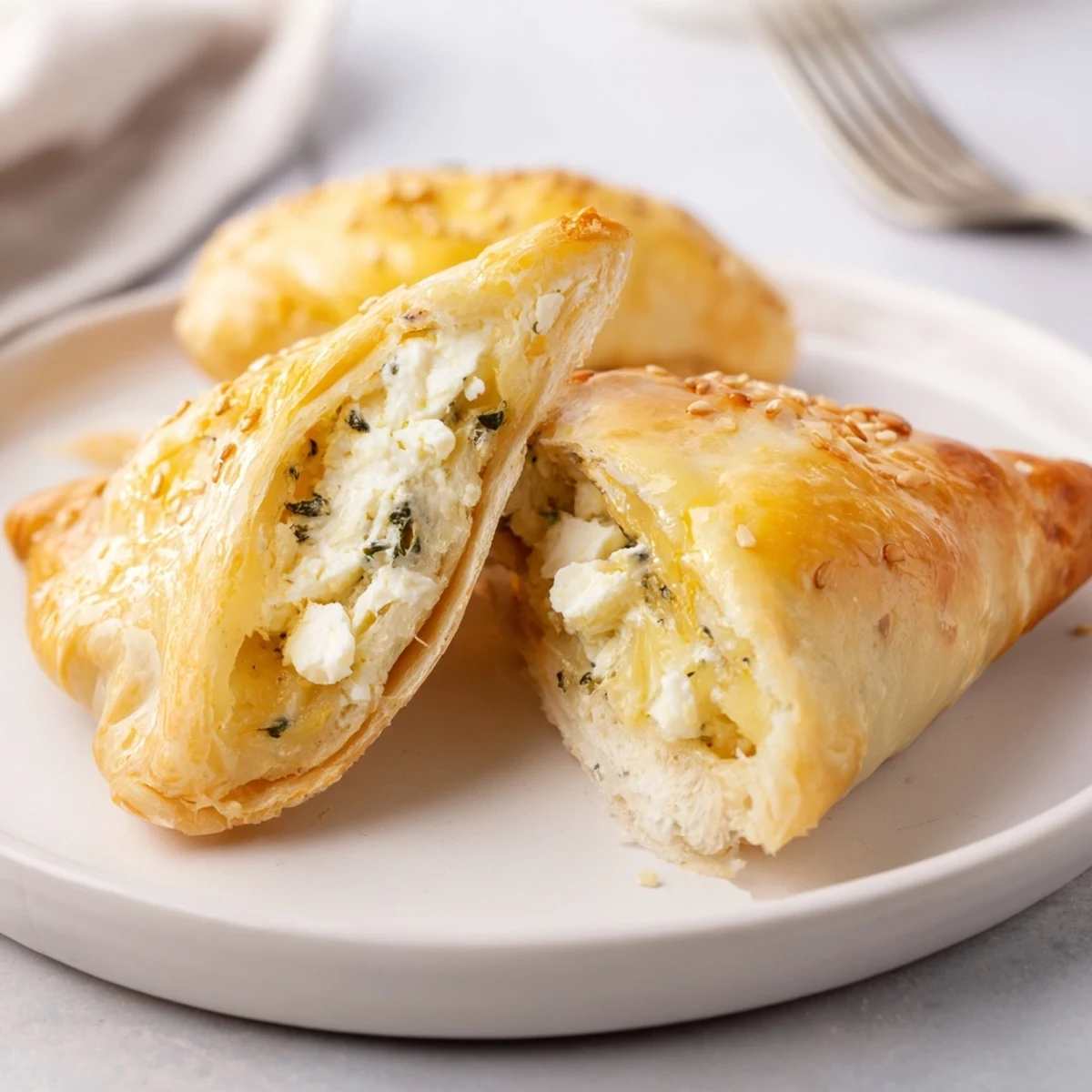
 Start by making a soft yeast dough, let it rise about 60 minutes, then divide into 12 pieces. Mix crumbled feta with shredded mozzarella, parsley, nigella and an egg white, spoon into flattened rounds and fold into sealed pockets. Brush with yolk, bake at 375°F (190°C) for 18–22 minutes until golden. Serves 12; prep 25 min, bake 20 min. Serve warm with mint, tomatoes or olives and reheat gently.
The rhythmic sound of kneading dough for cheese fatayer never fails to pull me into the present moment. On a rainy afternoon, the kitchen fills with the aroma of warm yeast and the tang of feta. Sometimes I catch myself humming, flour dusted across my cheek, as I shape the little pockets. There's something quietly meditative about folding each triangle, knowing a comforting bite awaits.
Last winter, my cousin popped over unannounced with a bag of olives and the bold assumption I'd have snacks. I quickly whipped up a batch of these cheese fatayer, and we ate them steaming from the oven, laughing as molten cheese burned our tongues. That impromptu feast lingered in my mind, proving no occasion is ever too small.
Ingredients
- All-purpose flour: I use unbleached flour for the right texture—it needs to be soft but sturdy enough to hold the filling.
- Instant dry yeast: Makes the dough rise quicker and guarantees that pillowy softness; check that your yeast is fresh for best results.
- Sugar: Just a pinch, but it boosts fermentation and flavors the dough subtly.
- Salt: This brings both the dough and cheese flavors to life, so don’t skimp.
- Olive oil: A couple of tablespoons are enough to keep the dough tender—using a fruity, good-quality oil makes a difference.
- Warm milk: Always check it’s just warm to the touch, not hot, to avoid killing the yeast.
- Feta cheese: Salty and creamy, it delivers the classic tang—drain well so it’s not watery.
- Mozzarella cheese: Adds that delicious melting factor, making the filling stretch just enough.
- Fresh parsley: Brightens the filling with a pop of freshness—I chop extra fine to avoid big leafy bites.
- Nigella seeds or black sesame seeds: Optional, but they add a whiff of earthiness and crunch.
- Egg white: Binds the cheeses together so the filling stays creamy and not runny.
- Freshly ground black pepper: Just a crank or two for balance.
- Egg yolk: Mixed with milk, it gives that signature golden, glossy top (egg wash makes all the difference in both color and crunch).
- Milk or water: Whisked with yolk for a perfect brush-on consistency.
Instructions
- Mix the dough:
- Combine flour, instant yeast, sugar, and salt in a roomy bowl and swirl them with your fingers before pouring in olive oil. Slowly add the warm milk, feeling the dough come together—it should be soft and slightly tacky but clear the sides of the bowl.
- Let it rise:
- Cover the bowl and watch the dough plump up in a toasty corner of the kitchen for about an hour, turning airy and doubled.
- Stir up the filling:
- Toss feta, mozzarella, fresh parsley, and seeds in another bowl, then mix in egg white and pepper—don't be afraid to taste and tweak as you like.
- Divide and shape:
- After punching down the dough, divide it into 12 balls, rolling them gently before flattening with a pin to palm-sized circles.
- Fill and fold:
- Heap a spoonful of cheese filling in each circle’s center, then fold two sides together to form a pointed triangle or a rounded oval—pinch tightly so no gooey cheese sneaks out.
- Arrange and brush:
- Line them up, not too snug, on a parchment-lined tray; whisk the egg yolk with milk and brush the fatayer so they’ll bake extra golden.
- Bake:
- Slide the tray into a 375°F (190°C) oven, and wait 18–22 minutes; when they're deeply golden and the aroma draws everyone in, they’re ready.
- Cool and enjoy:
- Let them settle for a few minutes so the filling doesn’t scorch your tongue, but don’t wait too long—they’re best just warm.
 Save to Pinterest
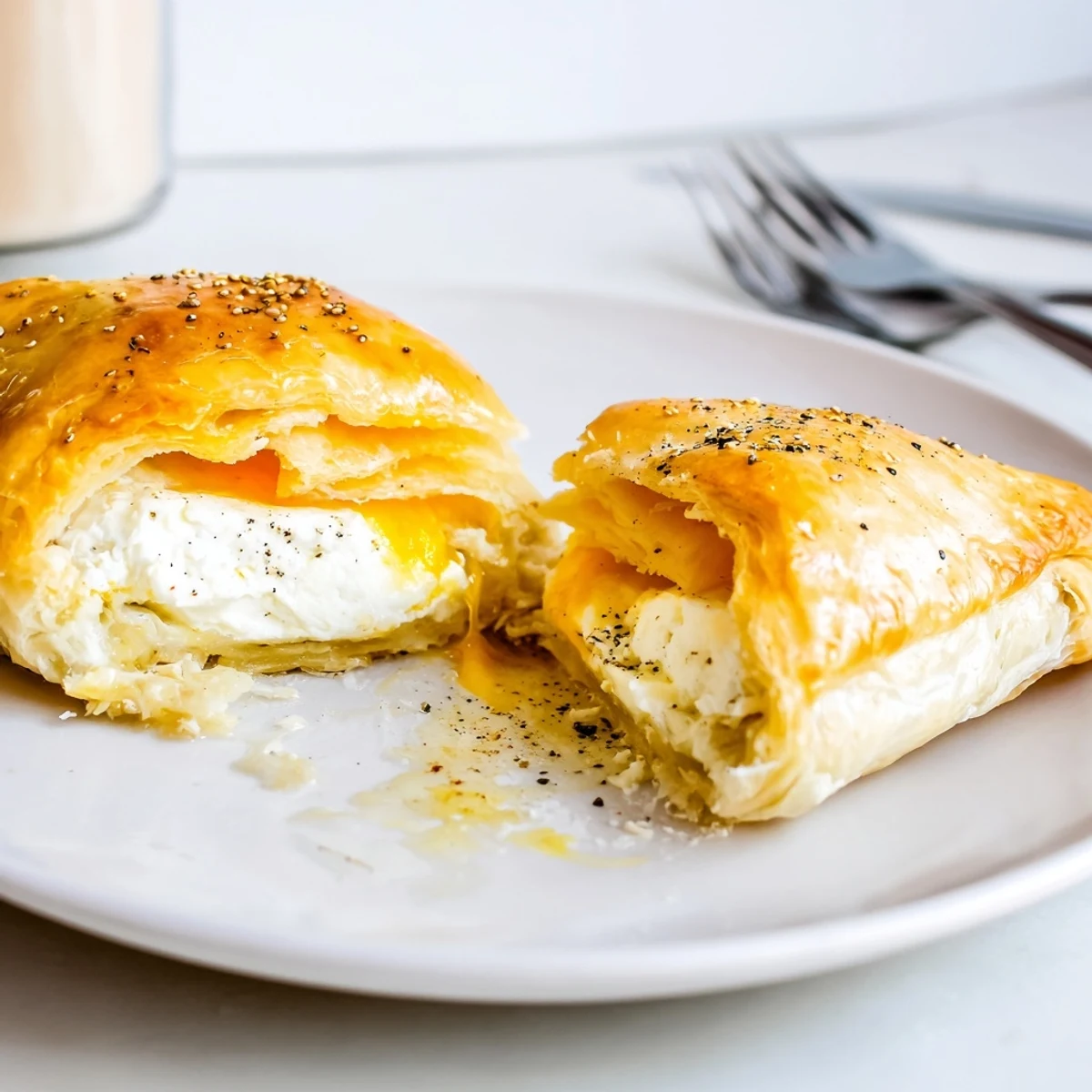
 There’s this gentle hush as you break into a freshly baked fatayer and the steam puffs out—the first time I served these at a potluck, the table went quiet for just a second, everyone lost in that first bite. In that brief stillness, I realized these pastries were delivering a sort of edible comfort that needed no introduction.
Make-Ahead and Freezing Hints
Whenever I'm pressed for time, I batch-make the dough and freeze both dough balls and filled fatayer, unbaked. Thawing them the night before or popping them straight into the oven from frozen has rescued countless busy evenings, guaranteeing fresh pastry as needed.
Serving Suggestions That Shine
Cheese fatayer absolutely sing alongside a plate of sliced cucumbers, mint, or a robust bowl of olives. Dipping in thick yogurt or wrapping them in torn lettuce was something a friend once insisted I try—it stuck, and now I can’t go back. They’re equally popular at brunch buffets or as an accompaniment to a mezze spread.
Troubleshooting, Swaps, and Quick Fixes
If you’re experimenting with new cheeses or flours, expect small changes in texture and taste but embrace these evolutions. A little ricotta blends well, and whole wheat flour yields a heartier, slightly nutty dough, so don’t be afraid to improvise.
- Check the dough texture: if it's sticky, add a spoon of flour; if dry, a splash more milk.
- If pastry edges open, seal with a dab of water—works like a charm.
- Don’t forget that these are just as delicious at room temperature for next-day snacking.
 Save to Pinterest
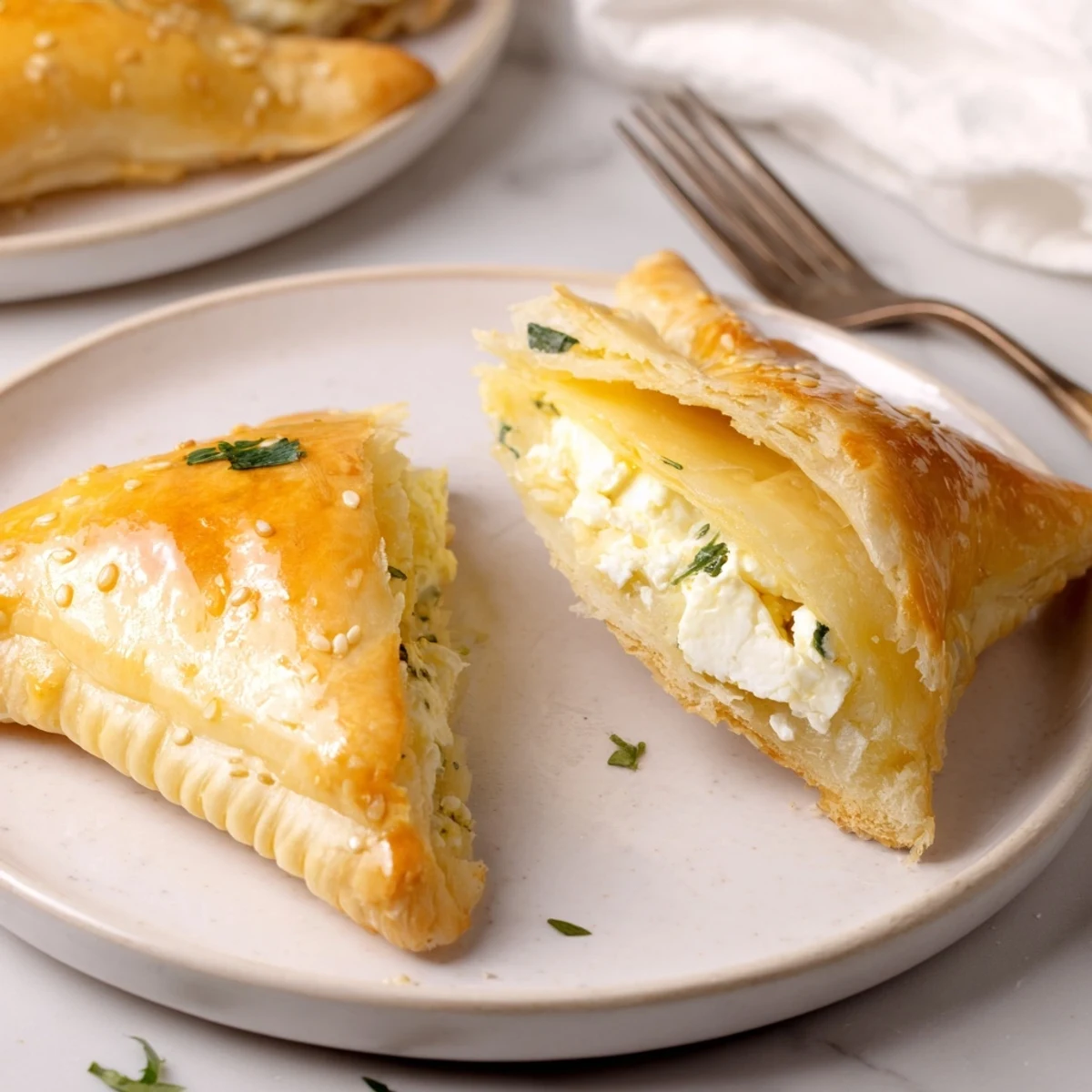
 Once you taste a warm cheese fatayer fresh from your own oven, it’s hard not to smile. Whether for guests or sneaky solo snacks, may your batch disappear quickly and leave only happy crumbs behind.
Questions & Answers
- → How can I tell when the dough has risen enough?
-
The dough should double in size and feel light and airy to the touch. Press gently with a fingertip—if the indentation remains slowly, it’s ready to divide.
- → What are good cheese substitutions or combinations?
-
Try halloumi for a saltier chew, ricotta for creaminess, or a mix of feta and young goat cheese for tang and richness. Balance salty cheeses with a milder melting cheese like mozzarella.
- → How do I prevent the pockets from leaking during baking?
-
Work with slightly tacky dough and pinch seams firmly; brush a little water along the edges before sealing if needed. Avoid overfilling and press seams together to create a tight seal.
- → Can I freeze fatayer before or after baking?
-
You can assemble and freeze unbaked pockets on a tray, then transfer to a bag. Bake from frozen, adding a few extra minutes. Baked fatayer also freeze well; reheat in a hot oven for best texture.
- → What oven and finishing tips give the best color and shine?
-
Brush tops with egg yolk mixed with a splash of milk for a deep golden gloss. Bake on a lined sheet in a preheated oven at 375°F (190°C) and rotate the tray for even browning.
- → How can I add extra flavor or texture?
-
Fold in chopped herbs like mint or dill, sprinkle nigella or sesame seeds on top before baking, or add a pinch of cracked black pepper and lemon zest to the filling for brightness.